Introduction
Zilwaukee, Michigan is one of those places that many people recognize because of the famous Zilwaukee Bridge—but fewer people realize it’s also a small residential city with its own neighborhoods and local community.
Located near Saginaw, Zilwaukee offers convenient access to regional highways, employment centers, and everyday services while maintaining a quieter residential atmosphere. People considering relocation here are often drawn to its accessibility, lower housing costs compared to larger metro areas, and proximity to nearby cities.
In this guide, we’ll break down what living in Zilwaukee actually looks like—from housing and property taxes to schools, commute, and lifestyle.
Cost of Living in Zilwaukee, Michigan
Cost of living is often one of the reasons buyers explore smaller Michigan cities like Zilwaukee.
According to BestPlaces.net, Saginaw County has a cost of living index below the national average, particularly in housing costs.
The U.S. Census Bureau reports that housing values in smaller Michigan cities such as Zilwaukee tend to be lower than statewide averages, reflecting the area’s smaller population and housing demand.
The Bureau of Labor Statistics notes that transportation, housing, and healthcare are among the largest expenses nationwide, and in smaller cities like Zilwaukee, transportation costs may vary depending on commute distance.
Overall, Zilwaukee typically offers a lower cost of entry into homeownership compared to larger Michigan metro areas.
Real Estate & Housing Overview
Zilwaukee’s housing market primarily consists of single-family homes.
According to U.S. Census Bureau housing data:
Most homes are detached single-family houses
Many homes were built between the 1950s and 1980s
Homeownership makes up a large share of occupied housing
Common home styles include:
Ranch homes
Traditional two-story homes
Smaller mid-century homes
New construction activity is limited compared to growing suburban areas, which is typical for smaller cities with stable population levels.
Housing inventory varies based on market conditions, but overall pricing tends to remain lower compared to major Michigan metropolitan areas.



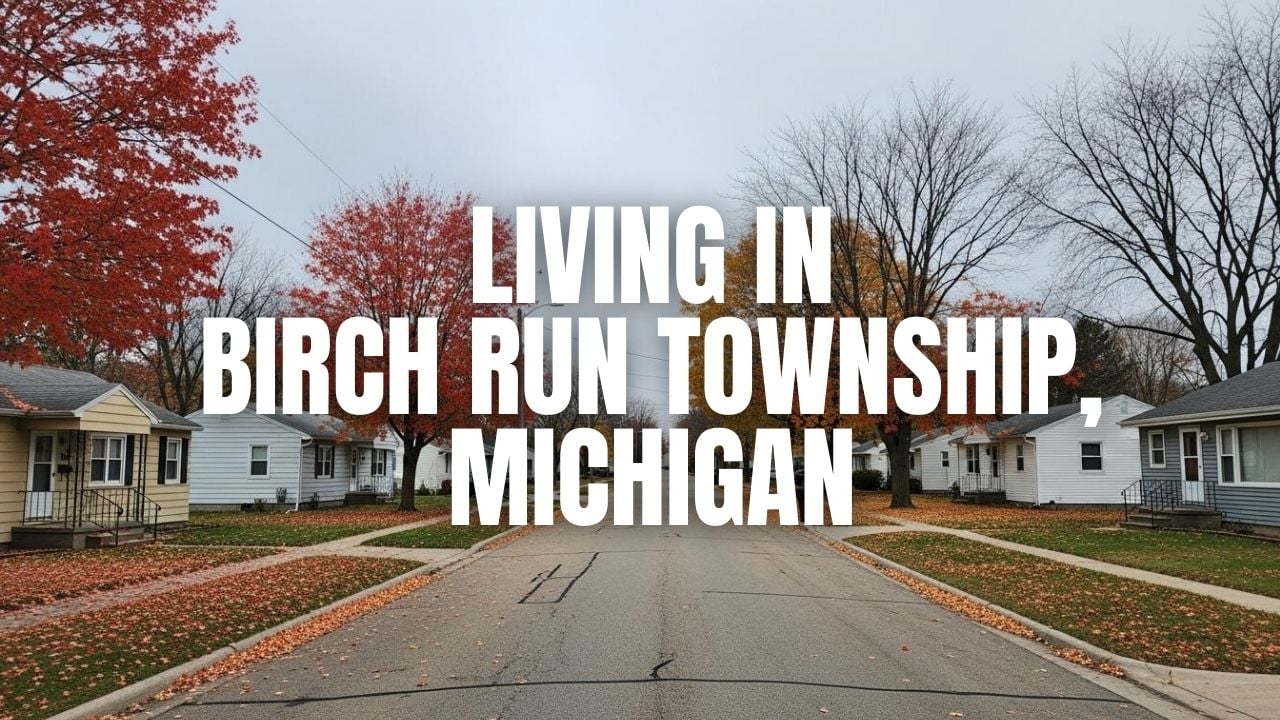
Birch Run Township, Michigan Living Guide: Housing Market, …
Birch Run Township, Michigan is known for…
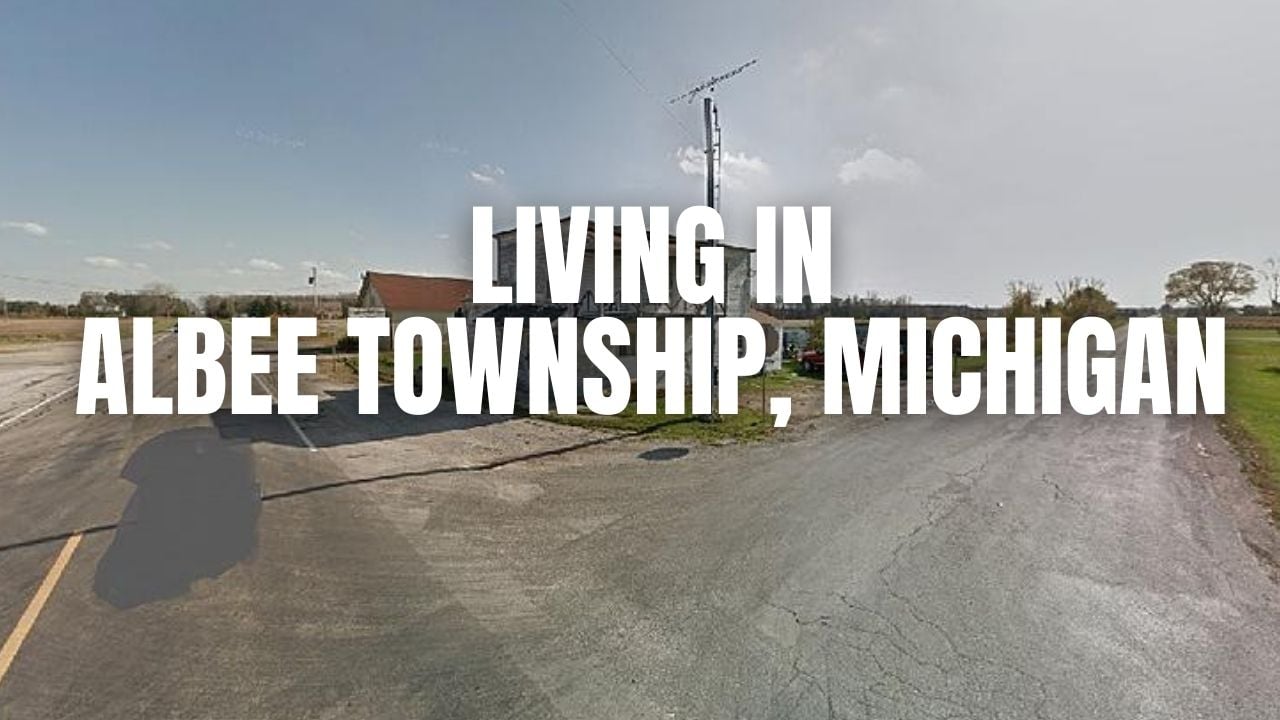
Albee Township, Michigan: Best Neighborhood Pockets + Pros/Cons …
Albee Township, Michigan is a rural community…
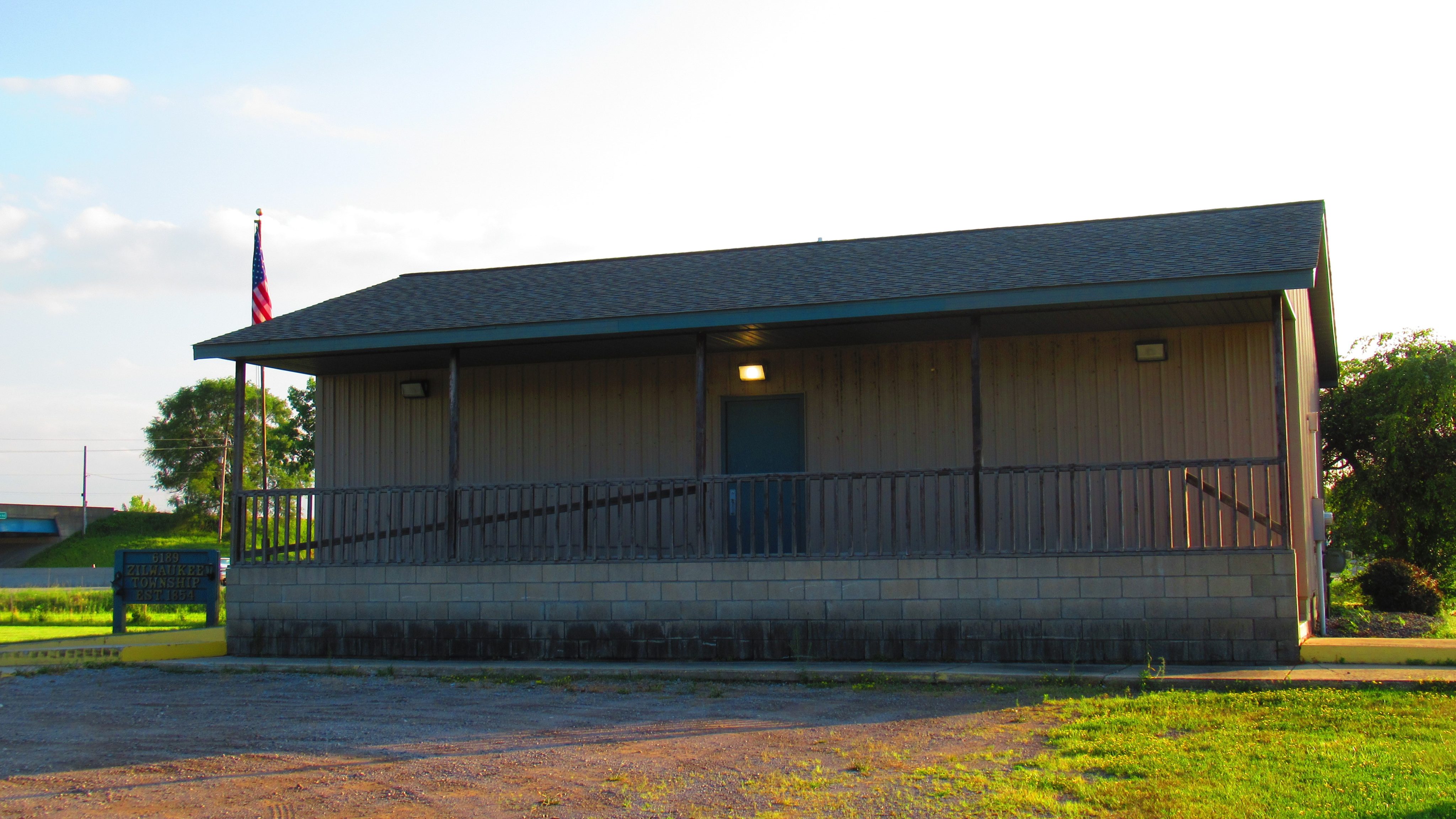
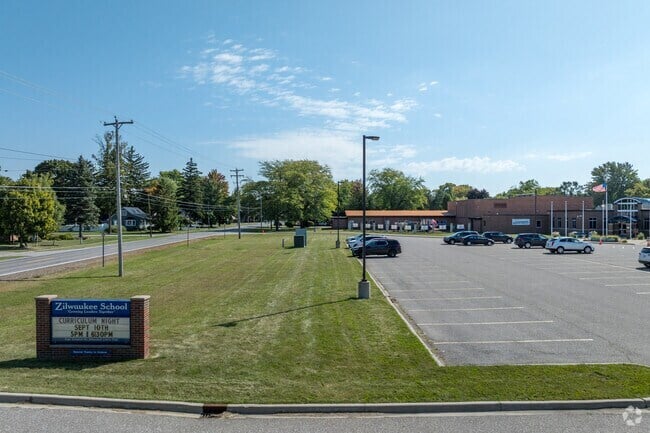
Zilwaukee, Michigan: What It’s Like to Live Here …
Zilwaukee, Michigan is a small city located…