
Detroit’s Population: From Decline to a Slow Rebuild
Detroit’s story is one of resilience. Back in the 1950s, the city boomed with nearly 2 million residents. Fast forward to 2024, and Detroit’s population sits at around 633,000 — but for the first time in decades, it’s inching up, not down.
That shift matters. Detroit, Michigan now ranks as the 26th most populous city in the United States, climbing up from 29th place just a year earlier. For a city long written off as a “lost cause,” that’s a headline worth celebrating.
So how did we get here — and why did the city have to sue to make it happen?
When the Census Got It Wrong
Here’s where things get wild. According to Mayor Mike Duggan, the U.S. Census Bureau seriously underestimated Detroit’s population. How? By assuming that demolishing abandoned, uninhabitable buildings meant people were leaving. In reality, those houses had been empty for years — the demolitions were cleaning up, not clearing out.
The city’s logic was simple: demolishing a crumbling house shouldn’t subtract two imaginary people from the population count. But that’s exactly what was happening. Detroit’s aggressive cleanup efforts — meant to revitalize neighborhoods like Midtown, Corktown, and East English Village — were actually being punished in the data.
After multiple lawsuits and some very public frustration (Duggan famously called the census a “national clown show”), Detroit finally got a recalculation — and a long-overdue population bump.
Challenging the Data, Changing the Narrative
Detroit didn’t just complain; it fought back with data. City officials challenged the 2021 and 2022 estimates, showing that Michigan’s population had grown far more than the Census Bureau claimed — by about 11,000 people, not the 1,800 listed.
Even more impressively, Detroit flipped the script. In 2023, it officially led Michigan in population growth for the first time in decades. That’s a huge milestone for a city once considered the epicenter of population decline in the Midwest.
Michigan’s Population: Still Growing, Slowly
Now, zooming out: is Michigan itself losing people? Despite the dramatic headlines, Michigan’s population grew by about 3,980 people in 2023, bringing the state total to just over 10 million residents. Sure, that’s only a 0.04% increase, but it’s growth nonetheless — and after years of stagnation, that’s progress.
Kurt Metzger, founder of Data Driven Detroit, estimates that Detroit’s actual population might be 30,000 to 50,000 higher than reported. Between new downtown developments, returning residents, and waves of young professionals seeking affordable living near major employers like Ford, GM, and Rocket Mortgage, the city is humming again.
Detroit’s County Cap Problem
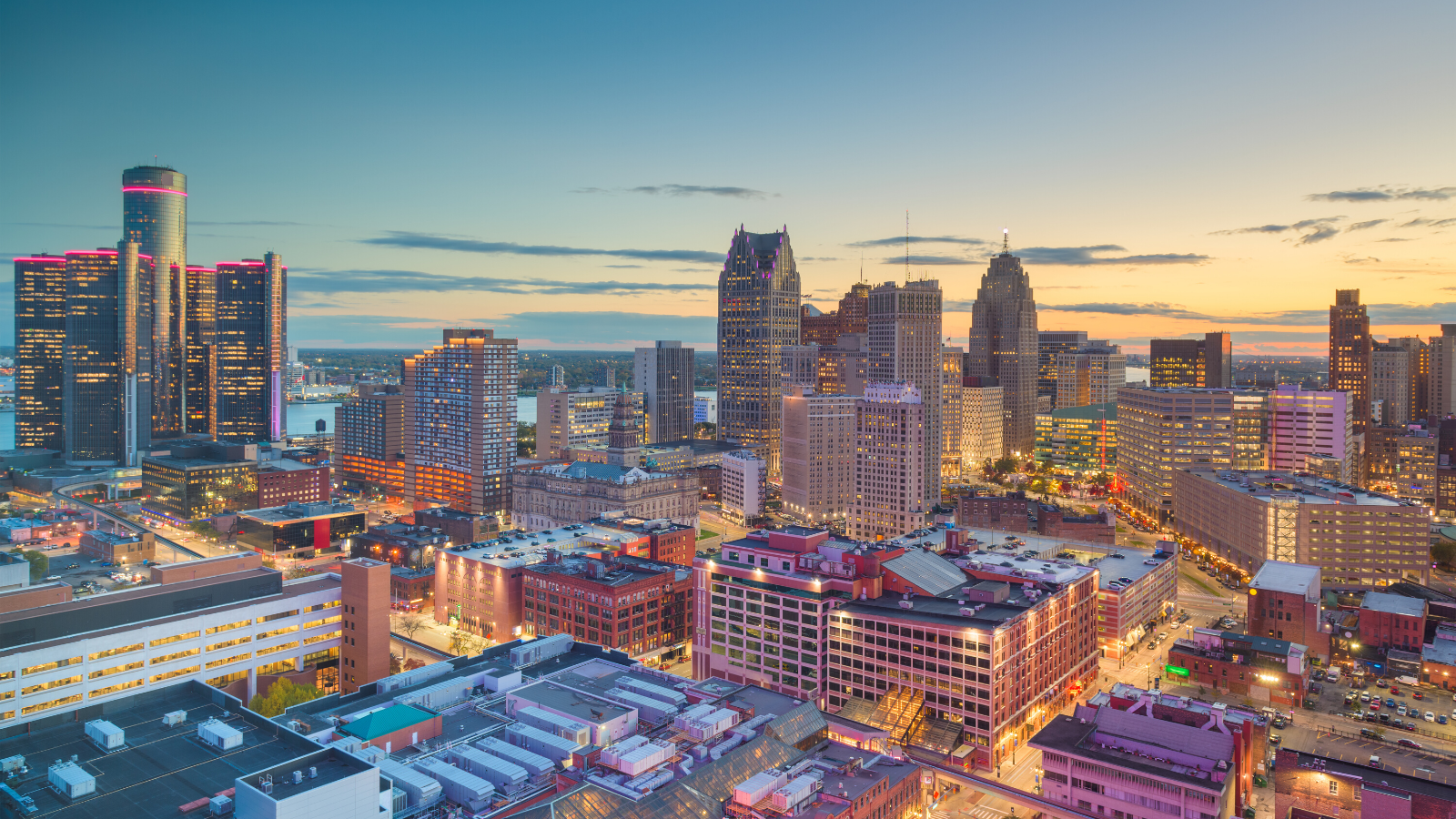
Even with these wins, Detroit still faces another odd hurdle — the Wayne County population cap rule. Essentially, it says that Detroit’s population can’t exceed the county’s overall estimate, even if the city itself is clearly growing.
So if Wayne County’s population dips, Detroit’s official count gets dragged down too. That means Detroit’s progress could be undercounted — again — not because of actual loss, but because of bureaucratic math.
Mayor Duggan and his team are already on the case, pushing for changes that reflect the city’s true growth story.
The Billion-Dollar Comeback: Rebuilding Detroit from the Ground Up
Walk down Woodward Avenue, and it’s hard not to feel it — Detroit’s comeback is real. Billion-dollar projects like the Hudson’s Site redevelopment, the new Detroit Riverwalk expansion, and countless neighborhood rehabs are reshaping the city’s image.
Vacant lots? Turning into coffee shops and art studios. Abandoned houses? Getting a second life through first-time homebuyer programs. Once-forgotten districts like Corktown and Brush Park are booming with fresh energy, new restaurants, and locally owned businesses.
Detroit’s mantra is simple: “We’re not just rebuilding buildings — we’re rebuilding trust.”
And it’s working.
Why the Growth Matters
This population increase isn’t just a number. It means more federal funding, better infrastructure, and stronger investor confidence. After decades of decline, Detroit’s leadership finally has data that matches what residents have been feeling — progress.
It’s validation for every small business owner who opened a shop downtown, every construction worker who rebuilt a block, and every family who decided to stay and believe in the city’s comeback.
As one Detroit local joked, “If you throw a rock anywhere in Detroit right now, odds are you’ll hit someone renovating something.”
What’s Next for the Motor City?

With the NFL Draft breaking attendance records, a booming entertainment district, and major employers reinvesting in the area, Detroit’s momentum is undeniable. The challenge now is sustaining it — keeping housing affordable, improving public services, and ensuring long-time residents benefit from the growth.
For anyone considering moving to Detroit or investing in Michigan real estate, this is one of the most exciting times in decades to be part of the story.
Thinking About Moving to Michigan?
If you’re thinking about relocating to or within Michigan, contact us anytime — we’d love to help you find the perfect place to call home.
Contact us
FAQ: Detroit, Michigan’s Comeback Story
1. Is Detroit, Michigan really growing again?
Yes! For the first time in decades, Detroit’s population is increasing. Census revisions and local data show steady growth since 2021.
2. What caused Detroit’s population to decline originally?
The decline began after the 1950s due to suburbanization, the auto industry’s struggles, and economic challenges that led residents to move elsewhere.
3. What neighborhoods are leading Detroit’s revival?
Areas like Midtown, Corktown, Brush Park, and Downtown Detroit are seeing major redevelopment and new residents.
4. How is the city attracting new residents?
Affordable housing, job opportunities, tax incentives, and a thriving arts and food scene are drawing people back.
5. What is the Wayne County cap rule?
It’s a census rule that limits Detroit’s population count based on county estimates, even if the city’s actual population is growing.
6. How accurate is Detroit’s current population data?
Experts believe Detroit may have 30,000–50,000 more residents than reported due to undercounting and outdated census methods.
7. What major developments are happening in Detroit?
Projects like the Hudson’s Site skyscraper, Riverwalk expansion, and new housing in Corktown are transforming the city.
8. How does Detroit compare to other Michigan cities for growth?
In 2023, Detroit led the state in population growth — a major turnaround compared to past decades.
9. Is it a good time to buy a home in Detroit?
Yes, especially for long-term investors and first-time buyers. Property values are rising, but prices remain affordable compared to national averages.
10. What makes living in Detroit unique?
Detroit combines big-city energy with a strong community feel, historic charm, and endless opportunities for those who believe in second chances.




Living in Shelby Township Michigan: The Overlooked Metro …
Shelby Township Michigan in Macomb County sits…

Rochester Hills Michigan Homes Under $400K: What Buyers …
Wondering what $400K buys in Rochester Hills…
Living in Clinton Township Michigan: What You NEED …
Thinking about moving to Clinton Township Michigan?…