So, you’re thinking of moving to Michigan and torn between Troy and Rochester Hills? Grab a Vernors (the local ginger ale) and let’s make this simple. These two Oakland County suburbs sit in a similar location north of Detroit, but they feel different day-to-day. Below is a practical, real-world comparison—housing, taxes, schools, commute, parks, shopping, and overall vibe—so you can decide which one fits your priorities.
Quick note: school boundaries, tax rates, and even neighborhood “feel” can change street by street. Always verify school enrollment and current tax information for any specific address before making a decision.
Location and commute
Troy and Rochester Hills are next-door neighbors in Oakland County and both are comfortably within commuting distance to Detroit’s job centers. Troy is typically a little more “plugged in” to major business corridors, while Rochester Hills leans more residential in many pockets.
Both cities are heavily car-dependent, so daily convenience often comes down to which side of town you live on and how close you are to your most common routes.
Housing and home prices
In general, both markets are competitive and are considered among the more desirable northern Metro Detroit options. You’ll find well-maintained neighborhoods, a lot of brick construction, and strong resale demand.
Troy tends to have a wider mix of housing styles because it’s more built-out: mid-century neighborhoods, larger colonials, and newer builds scattered throughout, with plenty of proximity to shopping and office parks.
Rochester Hills offers plenty of traditional subdivisions too, but it often feels a bit more spread out with more tree cover and access to trail systems. You’ll also see pockets that feel almost “quiet country suburban,” especially as you move toward the edges.
If you’re relocating and want to “house-hunt smart,” the move is comparing not just price, but what you’re actually getting: lot size, layout, basement finish potential, road noise, commute routes, and whether you want to be close to retail or closer to parks.

Troy, Michigan
Property taxes and how to think about them
Here’s the part most buyers underestimate: in Michigan, property taxes can vary a lot based on the exact location and school district, even within the same city.
The simple framework:
- Your tax bill is driven by taxable value and total millage.
- Millage can vary depending on school district, voted millages, and the specific jurisdiction.
- Taxes commonly “uncap” after a sale (meaning the taxable value can jump closer to market-based levels), so a home’s previous owner’s tax bill is not always your future tax bill.
Bottom line: don’t compare Troy vs. Rochester Hills taxes in the abstract—compare taxes by address once you’ve narrowed down a few target homes.
Schools and school district boundaries
Both areas are known for strong educational options, but the most important detail is this: boundaries matter.
In Troy, not every Troy address feeds into the same district. Depending on the area, students may attend different public school systems. If school enrollment is a top priority for your household, you’ll want to confirm the district for each property early in the search.
In Rochester Hills, much of the area is served by Rochester-area schools, but there are also boundary variations that can surprise people who assume every address is the same.
Practical tip: when comparing two homes, treat “school district” like a feature you verify the same way you’d verify square footage or sewer vs. septic.
Lifestyle and “vibe”
This is where Troy and Rochester Hills separate the most.
Troy feels like the convenience-forward, always-moving suburb. It’s a major employment and retail hub, it’s diverse, and the dining options are deep—especially if you like international food. Day-to-day, Troy can feel more “business suburb” than “storybook suburb,” and for many people that’s a plus.
Rochester Hills tends to feel more outdoorsy and neighborhood-focused, with an emphasis on trails, parks, and a calmer pace in many areas. It’s the kind of place where weekend routines can revolve around walks, parks, and seasonal traditions.
Neither is “better.” One is typically better for people who want maximum convenience and proximity to everything; the other often fits people who prioritize green space and a slightly quieter pace while still staying close to major amenities.

Rochester Hills, Michigan
Shopping, dining, and entertainment
Troy is one of the strongest shopping and restaurant markets in the region. If having lots of options within a short drive matters, Troy is hard to beat.
Rochester Hills has plenty of shopping too, but it gets a big boost from being close to downtown Rochester’s year-round events, restaurants, and seasonal draws. Even though Rochester is technically its own city, many Rochester Hills residents treat it as “their” downtown experience.
If you want walkable charm and events, Rochester-area access is a major advantage. If you want dense retail convenience and variety, Troy shines.
Parks, trails, and outdoors
If outdoor access is a big part of your lifestyle, Rochester Hills is usually the one people point to first because of trail connectivity and park systems in and around the area.
Troy has parks and nature areas as well, but Rochester Hills often wins on the “I want to be on a trail regularly” category—especially if you want that to feel built into your weekly routine.
Traffic and getting around
Troy’s biggest advantage is also its headache: it’s a hub, so traffic exists—especially near major corridors and peak hours.
Rochester Hills can feel easier in the interior neighborhoods, but it relies heavily on main roads for longer trips. Your commute experience will depend heavily on which side of each city you choose.
Pros and cons at a glance
Troy highlights:
- Major convenience and shopping/dining depth
- Strong job access and central location
- Wide variety of neighborhoods and housing styles
Potential trade-offs: - Can feel more commercial in some areas
- Traffic near major corridors
Rochester Hills highlights:
- Strong park/trail access and a calmer feel in many pockets
- Great proximity to downtown Rochester events and charm
- Neighborhood-heavy vibe with lots of long-term ownership
Potential trade-offs: - Some errands may feel slightly more “spread out” depending on location
- School boundaries and taxes still vary by address (verify each one)

Conclusion
If you want a highly convenient, centrally located Oakland County suburb with deep dining and shopping options, Troy often makes the most sense. If you want a more neighborhood-and-nature-forward feel with strong access to trails and a “downtown nearby” experience through Rochester, Rochester Hills is a strong fit.
Now I’m curious—if you had to pick one, which would you choose and why: Troy or Rochester Hills?
If you’re thinking about moving to Michigan, I help people move to, from, and within the great state of Michigan—and I love it. You can also subscribe to the Living in Michigan newsletter for weekly insights on housing, towns, and what life is really like here.
FAQ: Is Troy closer to Detroit than Rochester Hills?
They’re both north of Detroit and close in commute time. Your exact drive depends more on which side of each city you live on and your route.
FAQ: Which is more expensive, Troy or Rochester Hills?
Both are competitive Oakland County markets. Pricing varies by neighborhood, home style, and proximity to amenities—so compare by specific homes rather than city-wide averages.
FAQ: Are property taxes higher in Troy or Rochester Hills?
Taxes can vary significantly within each city based on the property’s taxable value and the school district/total millage. Always verify taxes by address.
FAQ: Do all Troy homes go to Troy Schools?
No—boundaries can vary. Always confirm the public school district for any specific property.
FAQ: Which city has more things to do?
Troy tends to win for shopping and restaurant density. Rochester Hills has strong parks/trails access and great proximity to downtown Rochester events.




Michigan's FASTEST Growing Towns Are Losing Value (Here's …
Michigan is growing, but home prices are…
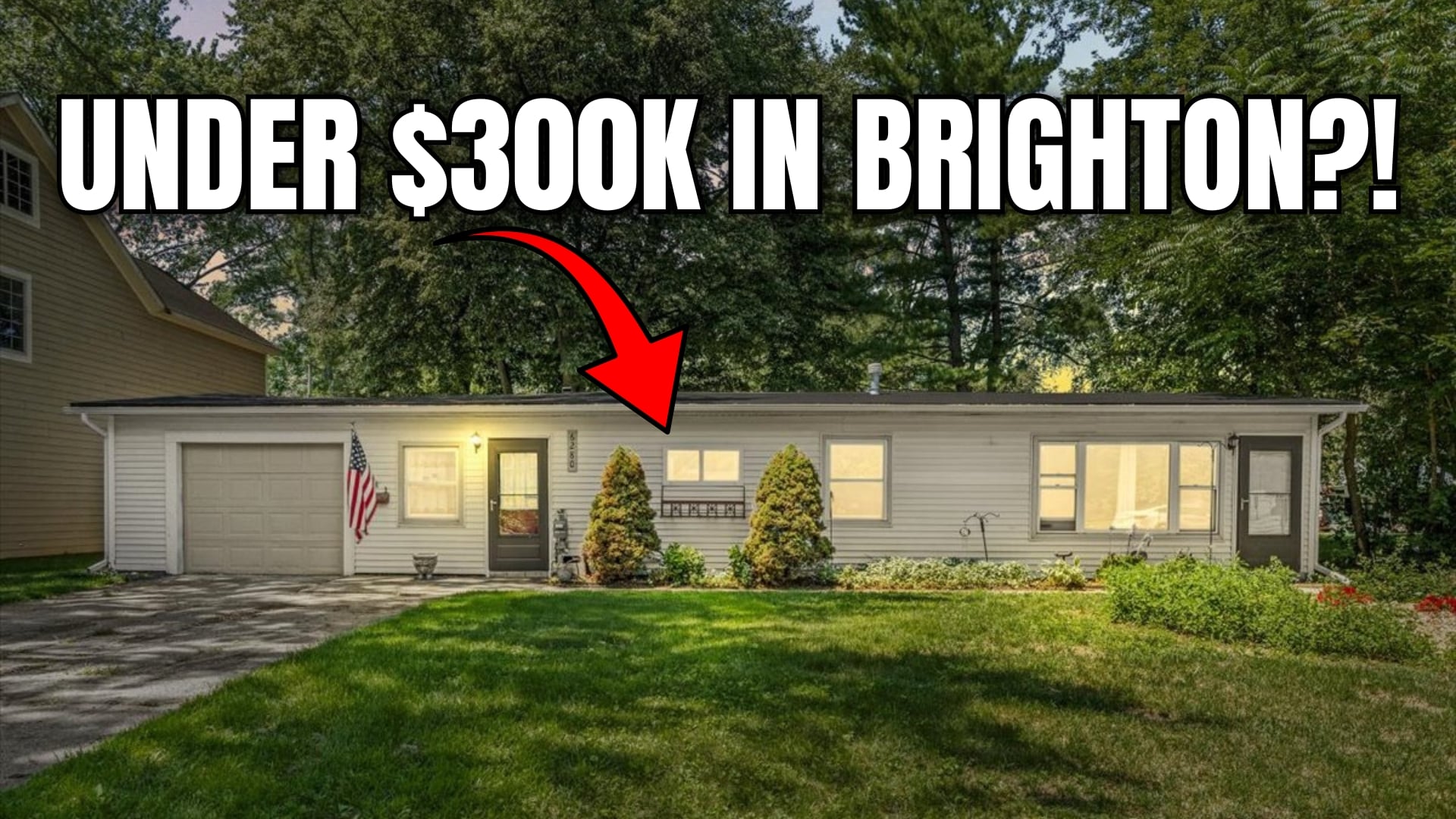
The Most Connected Home in Brighton, Michigan | …
6280 Beth Rd, Brighton, MI: move-in-ready 3-bed,…