
DON’T BUY A HOUSE WITH A SEPTIC IN MICHIGAN! - Michigan is the only state in the nation without uniform standards about how sewage treatment systems are designed, built, installed and maintained (It's left to the cities and townships). It’s safe to say that’s pretty crappy if you ask me (pun definitely intended), so be sure to stick around to hear about the risks of purchasing a home with a septic system in Michigan, what to keep in mind to maintenance your system, and why this video IS NOT MEANT TO SCARE YOU AWAY FROM PURCHASING A MICHIGAN HOME WITH A SEPTIC SYSTEM, let’s get to it.
Michigan Septic Systems: What Homebuyers and Homeowners Need to Know
If you take just a minute to search “Michigan septic systems,” you’ll quickly find headlines about failing systems, lack of statewide regulation, and environmental concerns — especially near lakes, rivers, and streams. And while some of those headlines are dramatic, there is a real issue beneath them that buyers and homeowners should understand before purchasing a home with a septic system in Michigan.
This guide breaks down what’s actually happening, why septic failures are so common in Michigan, how it impacts homeowners (especially lakefront properties), and what you can do to protect yourself.
Why Septic Systems Are a Big Issue in Michigan
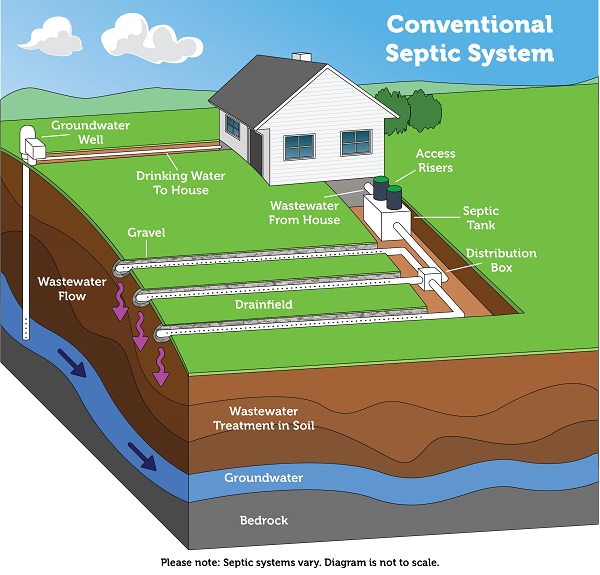
Michigan is home to thousands of inland lakes, rivers, and streams — and according to state data, nearly half of Michigan’s rivers and streams exceed safety standards for contaminants like E. coli. E. coli is found in human and animal waste, and elevated levels often indicate fecal pollution entering groundwater or surface water.
According to the Michigan Department of Environment, Great Lakes & Energy (EGLE):
- Over 1.3 million homes and businesses in Michigan rely on septic systems
- An estimated 130,000 septic systems are failing statewide
- Septic systems release roughly 31 million gallons of untreated sewage into groundwater every day
Those numbers aren’t meant to scare you — but they do highlight why septic systems matter more than most people realize.
The Real Reason Many Septic Systems Fail
The biggest reason septic systems fail isn’t age — it’s lack of maintenance.
Many homeowners know their system is failing but avoid repairs due to cost. A new conventional septic system typically costs $6,000–$12,000, and engineered systems (required when soil or lot conditions are poor) can add another $10,000–$15,000 or more. Labor alone often makes up 50–70% of the total cost.
Because of this, issues are ignored — until they become emergencies.
Why Lakefront Homes Are Especially Vulnerable
This issue is especially common with older lake homes, particularly those built between the 1930s and 1960s.
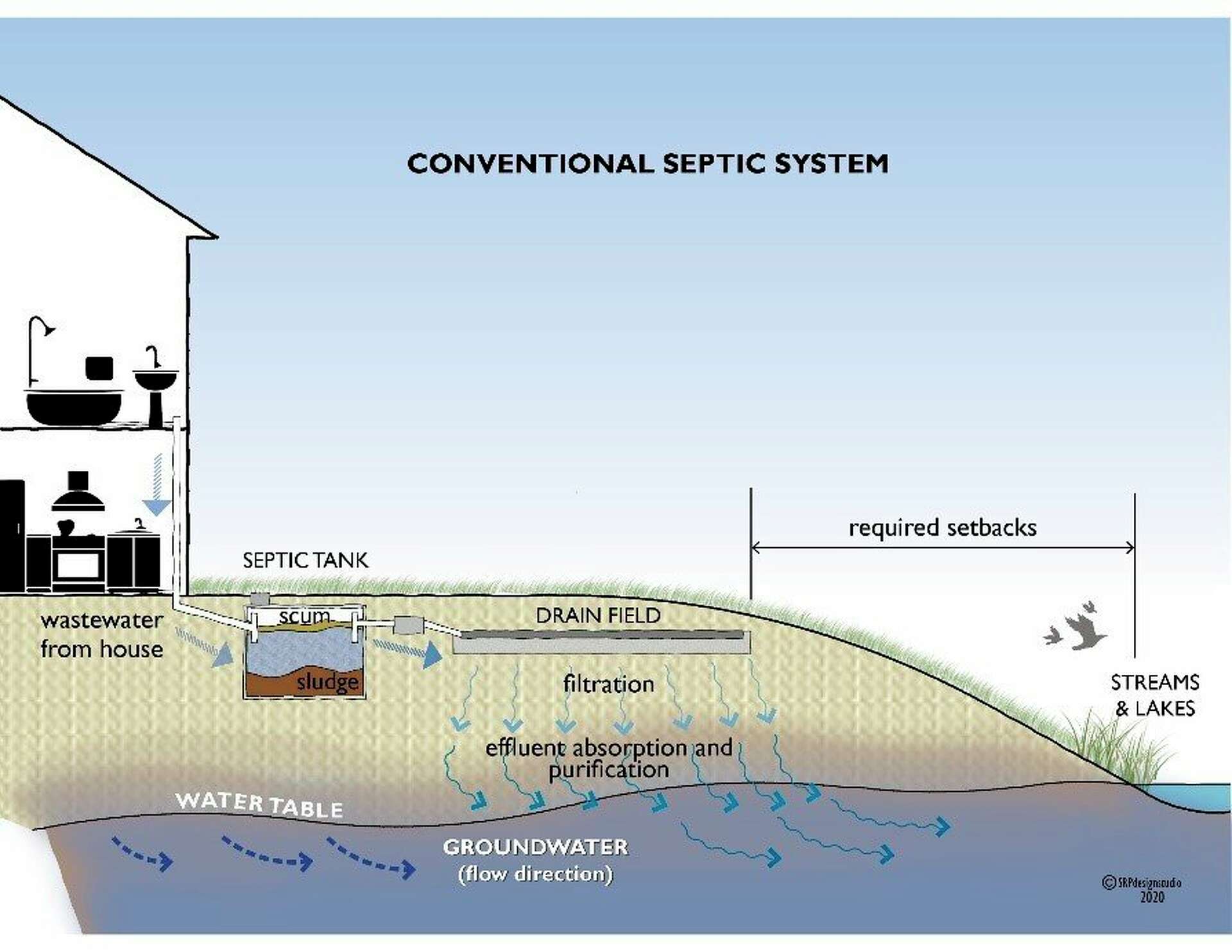
Many of these homes were originally built as seasonal cottages — often 2 bedrooms, 1 bathroom, used occasionally. As years passed, owners added bedrooms, bathrooms, and converted them into full-time residences without upgrading the septic system.
A typical example:
- Original home: 2 beds / 1 bath → 500–750 gallon tank
- Expanded home: 4 beds / 2 baths → should have 1,250–1,500 gallon tank
When the tank size doesn’t match household usage, systems fail faster.
That’s why pumping and inspecting during the inspection period is critical — not just to see if it flows properly, but to confirm tank size and configuration.
A Real-World Example: My Own Septic System
My own home is a perfect example of how loosely regulated septic systems can be.
During my purchase, I requested a septic pump-out. While onsite, my inspector suspected something wasn’t adding up. After digging further, we discovered two septic tanks — an original 500-gallon tank plus a second DIY-installed 500-gallon plastic tank that had never been pumped.
Fortunately, the system was functioning and the drain field tested well — but that’s not always the case. And I later learned I wasn’t alone.
At a lake HOA meeting, several homeowners shared similar stories. Some had already paid to connect to sewer systems — one owner spent $80,000 due to distance from the nearest connection. In some cases, HOAs consider special assessments to convert entire lakes to sewer because failing septic systems degrade water quality and property values over time.
Environmental Impact of Failing Septic Systems
Failing septic systems contribute to:
- Excessive lake weeds and algae growth
- Muck buildup along shorelines
- Increased need for weed harvesting
- Poor water quality that limits swimming, boating, and fishing
Lakefront owners see the damage firsthand, but inland homeowners experience it too — sometimes dramatically. In one Midland County incident, a riding lawn mower reportedly collapsed into a pit caused by a failed drain field.
Why Michigan Doesn’t Have Statewide Septic Regulations
According to Bridge Michigan, the Michigan Legislature has considered six proposals since 2004 to establish a statewide septic code — none passed. A new proposal is reportedly in development with growing support.
Some counties currently require Time-of-Sale inspections, strongly supported by the Michigan Association of Realtors. These inspections have already uncovered:
- Hundreds of failing systems
- Over 300 homes statewide with no septic system at all

Sewer Homes Need Inspections Too
Quick side note: if a home is on city sewer, you should still get a sewer scope inspection.
A sewer scope uses a camera to inspect the line from the home to the street. Tree roots — especially common in older cities with roadside trees — can crack or clog sewer lines. One buyer I worked with discovered root intrusion, and the seller had to pay over $1,000 for hydro-jetting repairs.
It’s a small upfront cost that can save thousands.
What Actually Causes Septic Failures?
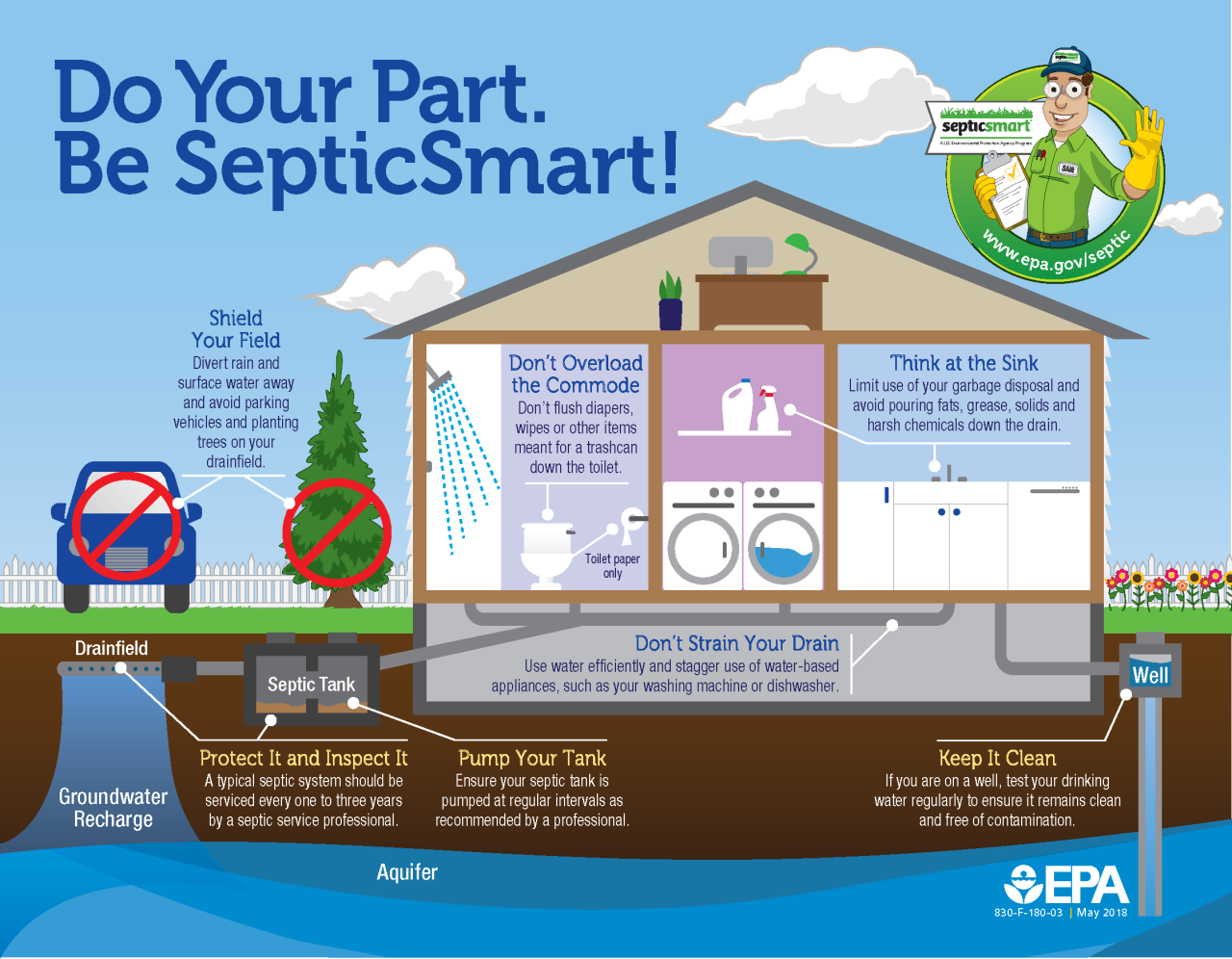
According to the EPA, septic system failures are primarily caused by:
- Infrequent pumping and inspections
- Excessive water usage
- Improper waste disposal
- Poor drain field maintenance
Septic tanks should generally be:
- Pumped every 3–5 years
- Inspected every 3 years by a professional
Water efficiency matters — use high-efficiency fixtures, wash appropriate-sized loads, and avoid excessive water use.
Waste disposal matters too:
- Only flush toilet paper
- No grease down drains
- Limit garbage disposal use
One of the biggest misconceptions is chemical drain cleaners like Drano. These products kill beneficial bacteria, damage pipes, and harm drain fields. Use boiling water or a drain snake instead.
Drain fields should never be driven on, built over, or overloaded with runoff from sump pumps or roof drains.
Should Septic Systems Scare You Away From Buying a Home?
Absolutely not.
Many septic systems work perfectly when maintained properly — and unlike sewer systems, there are no monthly or quarterly sewer bills. The key is awareness, inspections, and routine care.
If you’re buying a home with a septic system:
- Ask questions
- Review permits and records
- Pump and inspect during the inspection period
- Never skip septic inspections
That $150–$250 inspection can prevent a $10,000–$20,000 repair later.
Helpful Michigan Septic System Resources
Michigan Septic System Ordinances (EGLE):
https://bit.ly/3Efix4q
Michigan Onsite Wastewater Management:
https://bit.ly/3X8HgQD
EPA Septic Care Guide:
https://bit.ly/3Oc7xti
Have you ever dealt with septic issues — or heard a wild septic story? Drop it in the comments below.




Living in Pleasant Ridge Michigan: The Tiny City …
Discover what makes Pleasant Ridge, Michigan unique,…

Living in Utica Michigan: What You Need to …
Discover what it's like living in Utica,…

Living in Rose, Springfield & Tyrone Townships Michigan: …
Discover what it’s like living in Rose,…