
Michigan Will Be The ONLY State to Survive Climate Change - Climate change, global warming, droughts, floods, and overall natural disasters. There are news articles, documentaries, theories, and data points touching on global temperatures, sea levels, glacier shrinking, carbon dioxide increases, and the overall effect on human health. The question is, how does this relate to Michigan. Well, You’re about to find out.
As you can tell by the title I’m touching on something a little different this time, as it’s been frequently brought up by several of you out of state who are researching rigorously about what state would be the best to call your new home. I’m not a doomsday analyst or a conspiracy theorist. I’m simply touching on this topic to provide insight on behavioral decisions based on the topic I’m going to talk about and that’s climate, and I truly believe this could be something to think about as you decide where you want your next home to be. Welcome to Michigan the climate haven.
Why So Many People Are Moving to Michigan: Climate, Risk, and Long-Term Livability
Introduction
Over the past few years, I’ve worked with clients relocating to Michigan from all over the country — not just for jobs or family, but for something much bigger: long-term livability.
More and more people are asking thoughtful questions about climate risk, natural resources, and what their next home will look like not just in five years, but in fifty. To understand why Michigan continues to show up in these conversations, it helps to start with data.
What the Data Says About Climate Risk in Michigan
According to data analyzed by the Federal Emergency Management Agency (FEMA) and derived from the Centers for Disease Control and Prevention (CDC), Michigan and much of the Great Lakes region rank relatively low in overall climate vulnerability compared to many other parts of the United States.
This data evaluates exposure to:
- Flooding
- Extreme heat
- Drought
- Severe storms
- Social vulnerability factors
Researchers use this information to assess how communities may be affected by long-term environmental changes.
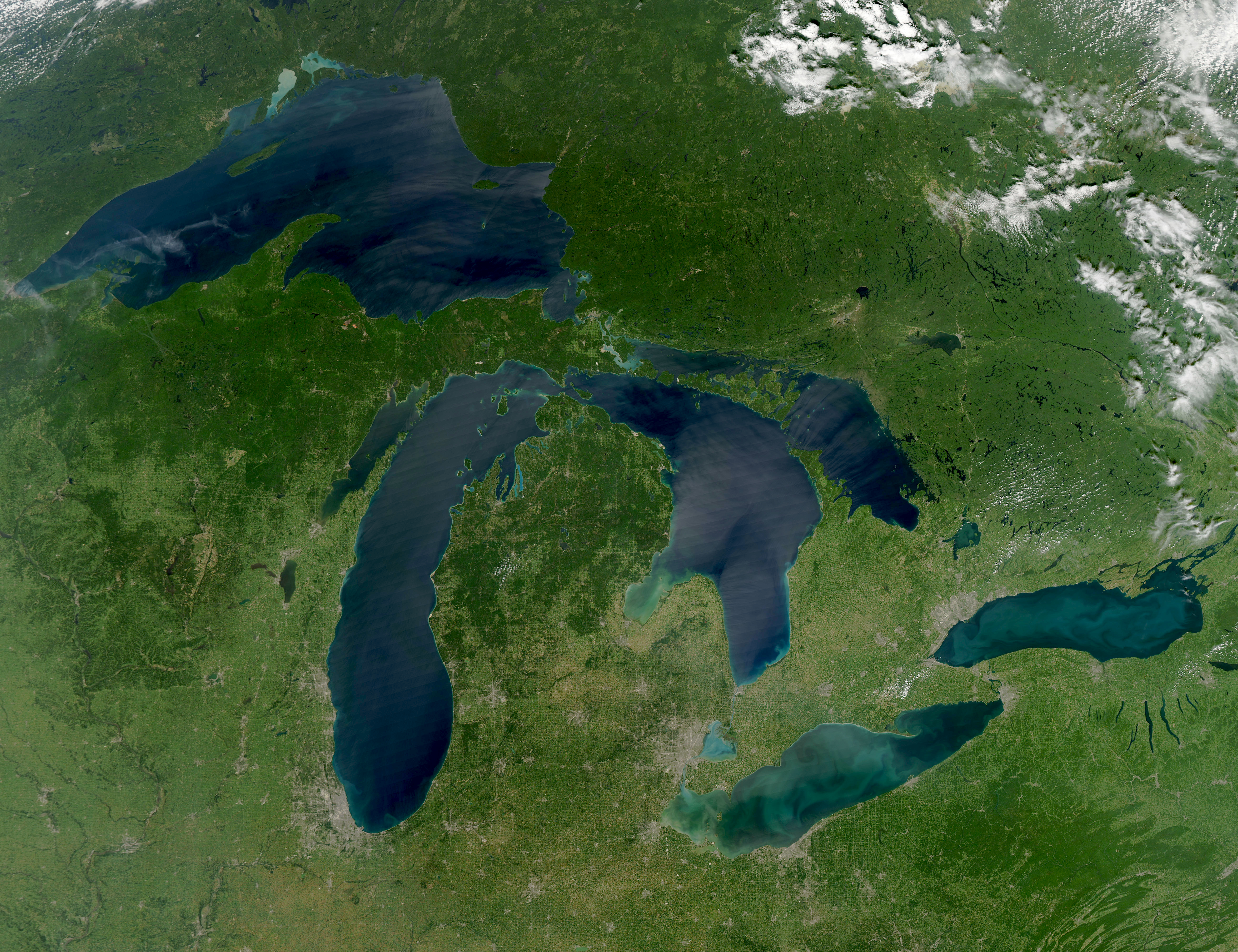
Why the Great Lakes Region Stands Out
Environmental and sustainability researchers studying climate patterns across the U.S. have noted that the Great Lakes region may fare comparatively well due to its geography and natural resources.
According to environmental research cited by sustainability scholars, the region benefits from:
- Abundant freshwater resources
- Lower exposure to sea-level rise
- Less extreme heat compared to southern regions
- Fewer wildfire risks than western states
- Moderation of temperature extremes due to the Great Lakes
Compared to the drought-prone Southwest, hurricane-exposed Gulf Coast, and coastal flood-risk zones along the East and West Coasts, Michigan’s overall risk profile is often viewed as more balanced.

Southeast Michigan Counties Often Cited for Lower Risk
Based on CDC-derived vulnerability data and regional research, several counties in Michigan’s Lower Peninsula are frequently highlighted for relatively lower climate exposure, including:
- Washtenaw County
- Oakland County
- Livingston County
- Ingham County
- Allegan County
- Ottawa County
- Kent County
This doesn’t mean these areas are risk-free — no location is — but they tend to rank favorably when multiple environmental factors are evaluated together.
Fresh Water as a Long-Term Advantage
One of Michigan’s most discussed long-term assets is access to fresh water.
The Great Lakes system contains roughly 20% of the world’s surface fresh water, a resource that many regions cannot reliably guarantee in the future. This abundance helps support:
- Regional agriculture
- Infrastructure stability
- Cooling during extreme heat events
- Long-term population sustainability
As heat and drought concerns increase in other parts of the country, water availability has become a growing factor in relocation decisions.
Climate Considerations and Real Estate Decisions
Researchers studying the intersection of climate change, real estate, and public health have found that environmental risk is increasingly becoming part of how people evaluate where to live.
While climate risk has not yet reshaped migration patterns on a massive scale, many researchers believe it will become a much more influential factor over the next few decades.
Population growth in high-risk states has continued despite known challenges, but long-term projections suggest buyers may eventually weigh risk more heavily — especially when it comes to:
- Flood exposure
- Insurance availability
- Property resale value
- Infrastructure resilience
Tools Buyers Are Using to Evaluate Climate Risk
Some buyers use platforms like ClimateCheck to assess property-level risk related to:
- Flooding
- Heat
- Storms
- Drought
- Fire
These tools aggregate climate models and geographic data to provide snapshots of long-term exposure. While no model is perfect, they can help buyers ask better questions before committing to a location.
I’ve had clients compare multiple states using these tools and ultimately decide that Michigan aligns best with their long-term priorities.
Insurance, Infrastructure, and Preparation
One important point that often surprises buyers is that standard homeowners insurance does not cover flooding.
That’s why it’s critical to:
- Review FEMA flood maps
- Understand insurance requirements
- Ask local experts about historical flooding patterns
- Plan for resilience rather than assuming risk doesn’t exist
Preparation tends to be far less costly than reaction.
This Isn’t About Fear — It’s About Due Diligence
This conversation isn’t meant to scare anyone out of buying a home. It’s about being informed.
Whether someone fully agrees on climate projections or not, understanding environmental risk is now part of responsible long-term planning — especially when buying real estate.
For many people, Michigan checks important boxes:
- Lower relative climate risk
- Access to fresh water
- Stable infrastructure
- Diverse housing options
- Long-term livability

Frequently Asked Questions About Climate & Moving to Michigan
Is Michigan considered a climate-resilient state?
Michigan is often cited as having lower overall climate risk compared to many coastal and drought-prone regions.
Does Michigan still face climate challenges?
Yes. Flooding, severe storms, and seasonal weather changes still occur, but risk levels are generally more balanced.
Why do buyers consider climate risk when choosing where to live?
Long-term property value, insurance costs, and safety all factor into housing decisions.
Does fresh water access really matter?
Water availability is increasingly discussed in long-term sustainability and population planning studies.
Should buyers use climate risk tools?
They can be helpful when combined with local knowledge and professional guidance.
Conclusion
People move for many reasons, but long-term livability is becoming a bigger part of the conversation. While no place is perfect, data continues to suggest that Michigan offers a strong balance of natural resources, infrastructure, and relative climate stability.
If you're looking to move to, from, or within the state of Michigan in one day or a million, I help people do just that and I love it as a Michigan Realtor. Please reach out anytime for help — I’m happy to be your go-to resource.



The Michigan Housing Market Is NOT the Same …
Wondering what the Michigan housing market is…

Is Lyon Township Michigan Worth It? Home Prices, …
Thinking about living in Lyon Township, Michigan?…