
Introduction
Highland Park, Michigan is one of those places many people have heard of, but few truly understand until they spend time learning about it. Completely surrounded by the City of Detroit, Highland Park has its own government, school district, housing stock, and history — all packed into just under three square miles. For people researching where to live in Metro Detroit, Highland Park often comes up because of its location, housing prices, and proximity to major roadways. Like any community, it comes with tradeoffs, and understanding those details upfront makes a big difference when deciding if it’s the right fit.
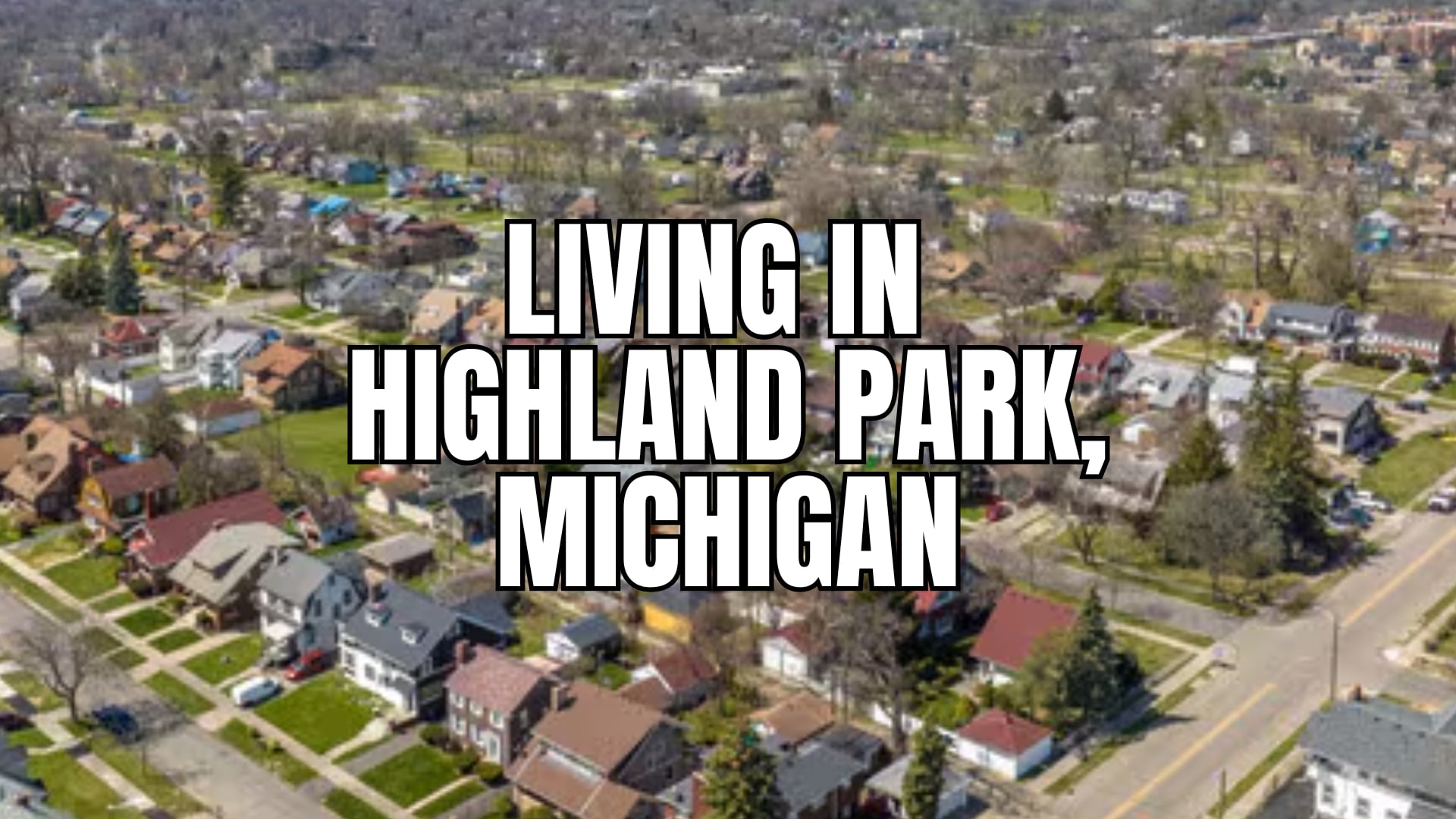
Cost of Living in Highland Park, Michigan
The cost of living in Highland Park generally trends lower than many surrounding Metro Detroit suburbs, largely due to housing costs. According to data from the U.S. Census Bureau and Niche.com, median home values in Highland Park are significantly below the Michigan average. Utilities and transportation costs are more in line with broader Southeast Michigan averages, while overall affordability can vary widely by block and property condition. BestPlaces.net notes that housing affordability is the primary driver of Highland Park’s lower overall cost of living compared to the state average.
Real Estate & Housing Overview
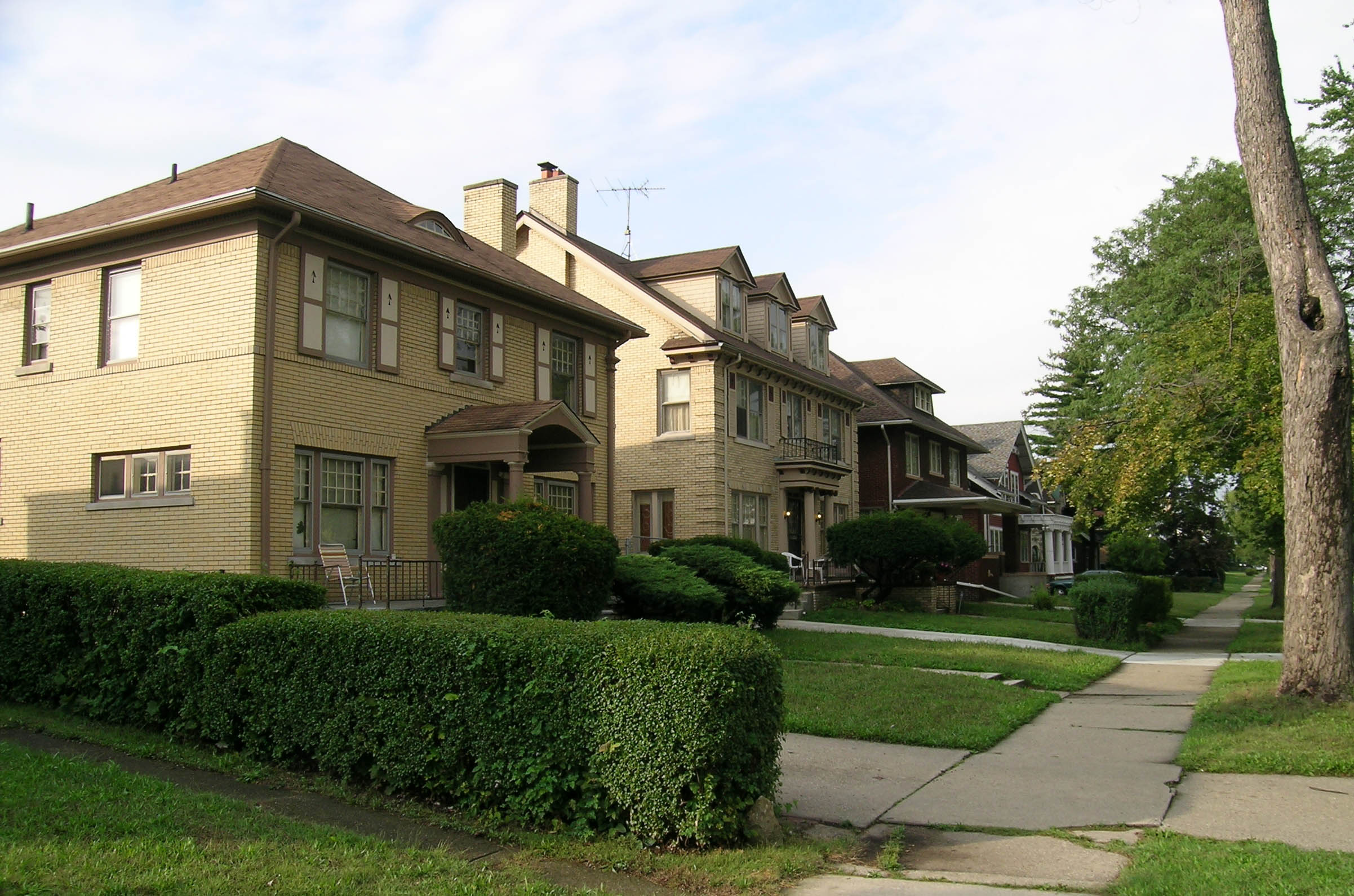
Highland Park’s housing stock is largely made up of older homes, with many properties built in the early-to-mid 1900s. Common styles include brick colonials, duplexes, and traditional single-family homes, often on smaller urban lots. According to U.S. Census Bureau housing data, a significant portion of homes were built before 1940, which means architectural character is common, but renovations and updates vary widely. New construction is limited, and most real estate activity centers around resale properties and renovations rather than large-scale development.




Michigan's FASTEST Growing Towns Are Losing Value (Here's …
Michigan is growing, but home prices are…
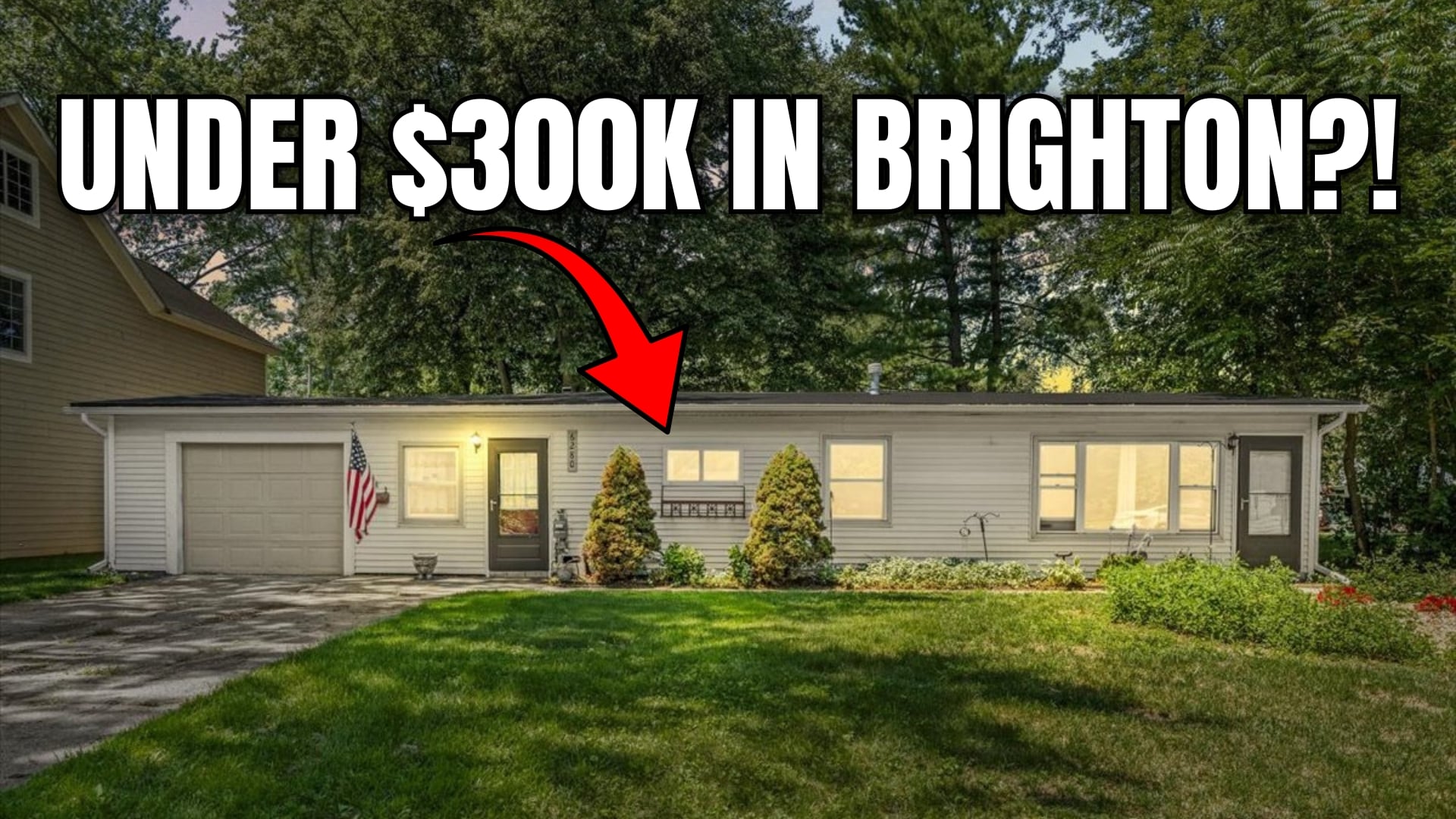
The Most Connected Home in Brighton, Michigan | …
6280 Beth Rd, Brighton, MI: move-in-ready 3-bed,…