
Introduction
Inkster is one of those “right in the mix” Metro Detroit cities—close to the action, close to the highways, and close to everyday essentials—without trying to be something it’s not. People often consider living here because it can offer more budget-friendly housing than some nearby communities, while still keeping commutes realistic for work, school, and airport travel.
The best way to think about Inkster is simple: it’s a practical place to live in Wayne County, with a convenient location and a community setup that works well for day-to-day life.
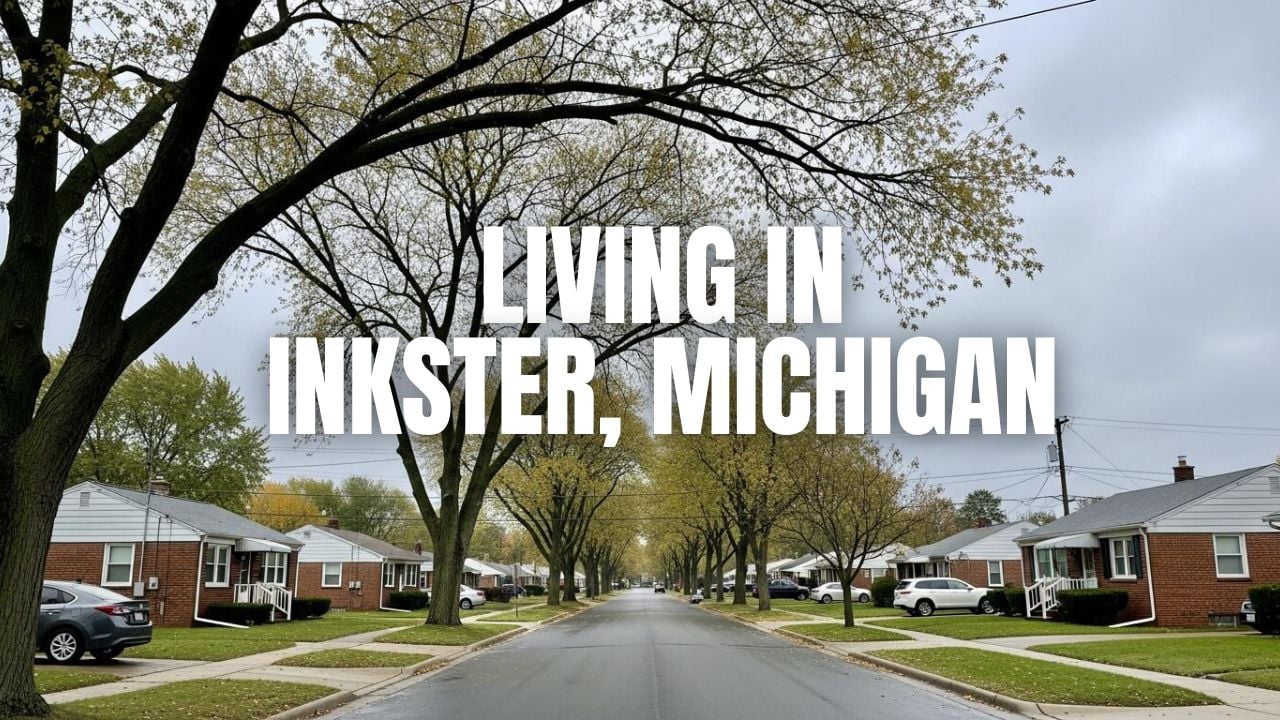
Cost of Living in Inkster, Michigan
Cost of living is always personal (your rent or mortgage is going to do most of the talking), but third-party indexes can help you compare cities at a high level. According to BestPlaces, Inkster has a cost of living score of 91.8—about 8.2% lower than the U.S. average and roughly in line with the Michigan average.
Housing is usually the biggest reason people start their Inkster search. For renters, Apartments.com reports an average rent of $952/month in Inkster as of January 2026 (with typical variation by unit size).
For buyers, different sources track home values in different ways. Census-based profiles (like Census Reporter) estimate the median home value, while real estate portals track market-based indices. For example, Census Reporter shows a median home value estimate for Inkster (ACS-based), and Zillow also publishes a Home Value Index for Inkster—so you’ll often see different numbers depending on the methodology and timeframe.
Transportation costs can also matter here because this part of Metro Detroit is commonly commuter-oriented. Census Reporter lists Inkster’s mean travel time to work at about 26.4 minutes, which is very close to the Detroit-area average it compares against.
Real Estate & Housing Overview
Inkster’s housing supply is largely what you’d expect in an established Metro Detroit community: many single-family neighborhoods, along with a mix of small multifamily rentals and apartment communities. (Translation: you can find “starter home” options, rentals, and plenty in between—depending on the block and the budget.)
If you like using hard numbers as a starting point, Census-based estimates (via Census Reporter) provide baseline housing metrics like median home value and other housing characteristics for Inkster.
To cross-check what’s happening in the active market, sites like Zillow, Redfin, and Realtor.com publish local housing snapshots (which can help you gauge current pricing, listing activity, and recent sales trends—without making any predictions).
One practical tip: when you’re comparing “average home value” vs “median sale price” vs “median list price,” remember those are three different measurements. It’s normal for them to disagree—so it’s best to look at at least two sources before you form a conclusion.




A Neighborhood Lifestyle Just Minutes From Downtown Mason …
Discover 422 Coventry Lane in Mason, Michigan,…
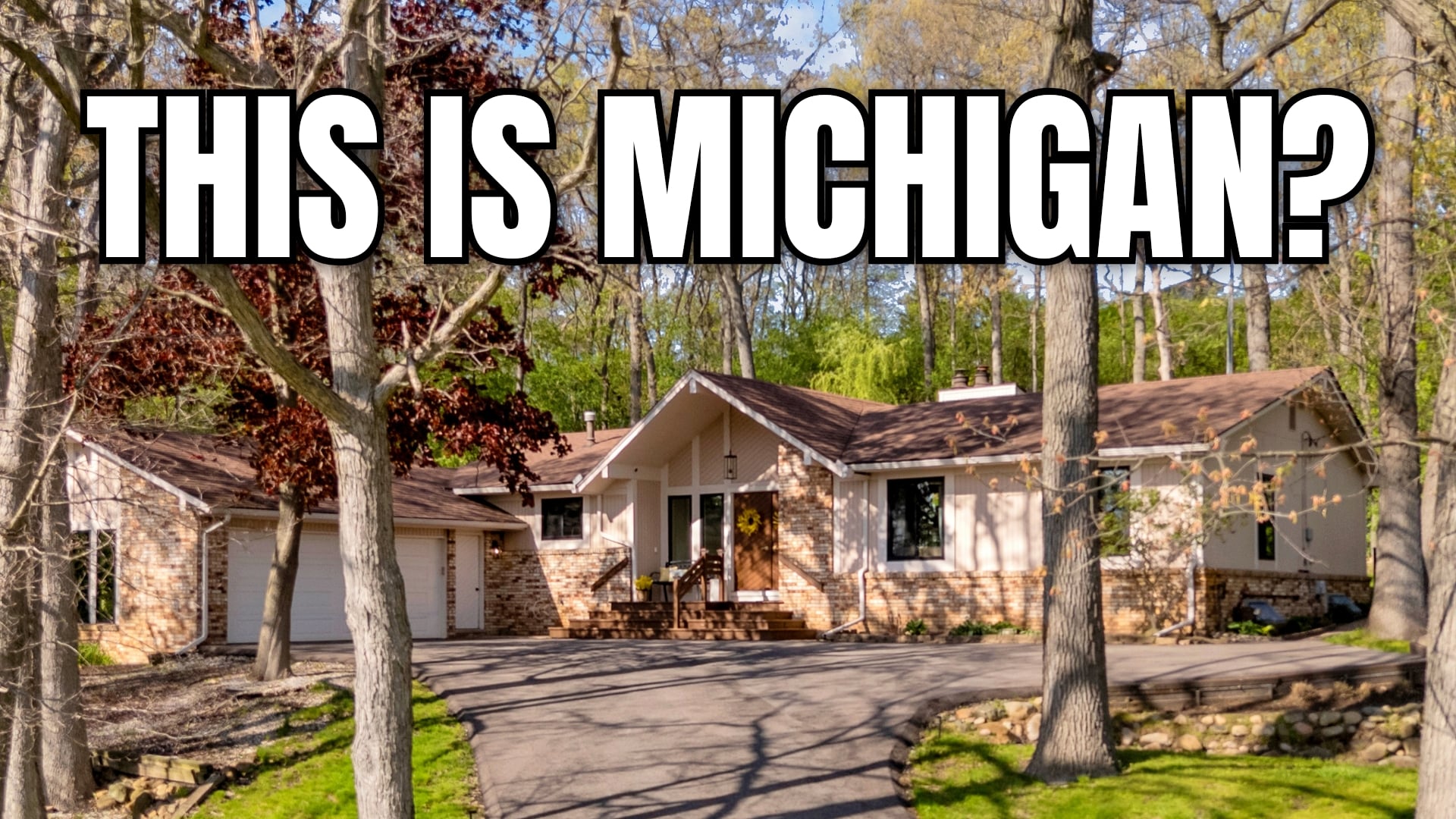
Inside One of Clarkston Michigan’s Most Relaxing Homes …
Tour 6692 Balmoral Terrace, a fully remodeled…