These might be some of the most talked-about places to reconsider in Metro Detroit — but not because of opinion or bias.
What if I told you that several well-known cities in Metro Detroit consistently rank among the most economically challenged places to live when you look strictly at publicly available data? Not rumors. Not stereotypes. Actual numbers pulled from government and independent sources.
Some of these will be expected. At least one may surprise you.
Let’s get into it.
#5 — Inkster
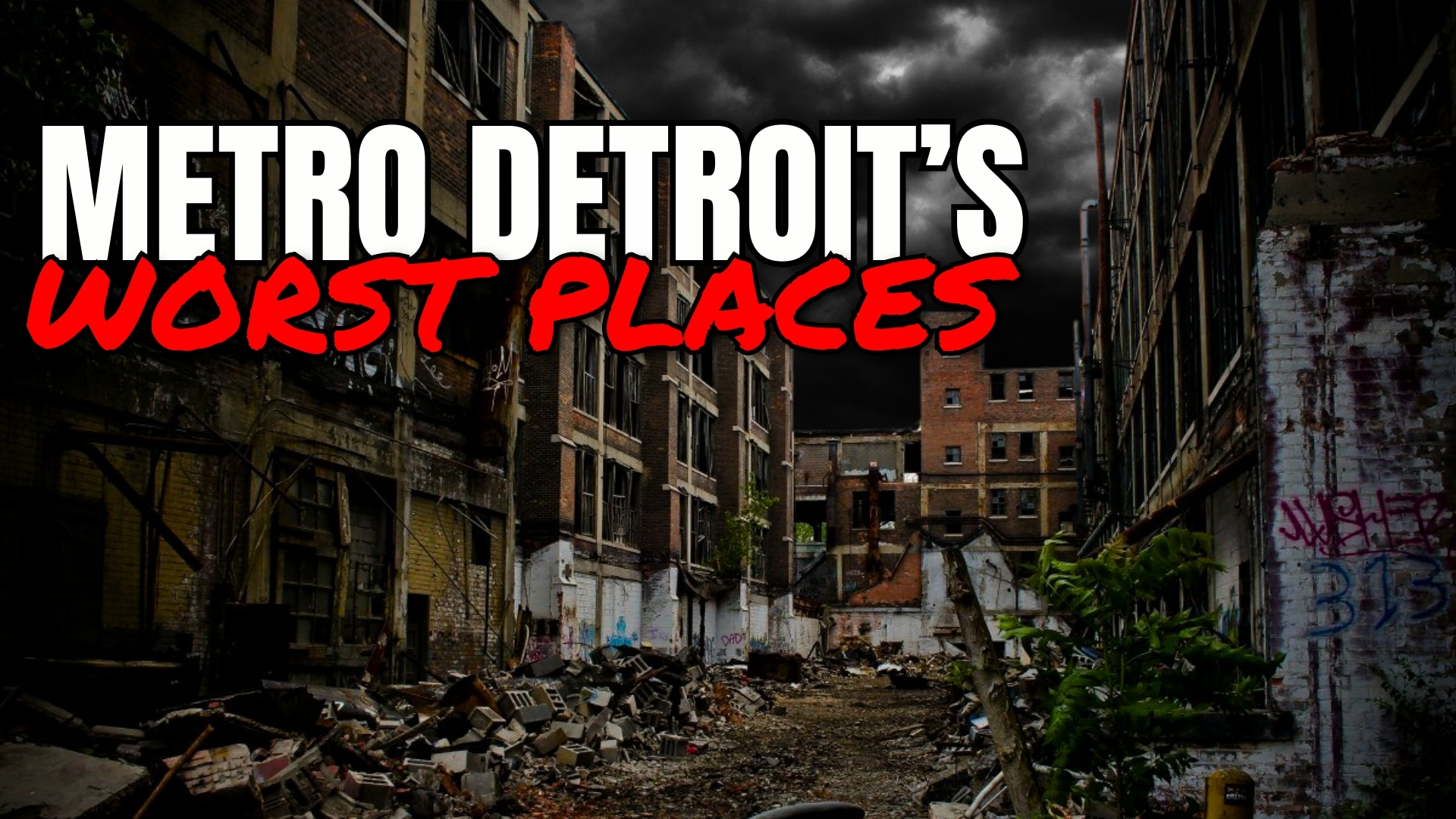
Inkster is a small city west of Detroit with a population of roughly 25,000. Historically, it played an important role as a home base for auto-industry workers and even served as a stop on the Underground Railroad. Malcolm X also lived here briefly in the early 1950s.
Today, Inkster faces measurable economic challenges.
According to U.S. Census data, the median household income is approximately $39,600, compared to Michigan’s statewide median of about $63,000. Roughly 36% of residents live below the poverty line, which creates pressure on local services and infrastructure.
Public school performance, as reported by GreatSchools, tends to rank below state averages, which may be a consideration for some households depending on their needs. Access to grocery stores, healthcare, and full-service retail can also be limited, and commuting without a personal vehicle can be challenging due to sparse transit options.
That said, Inkster’s location near Dearborn and Detroit provides regional access to jobs and amenities, and revitalization discussions and infrastructure improvements continue.
Average home prices range between $70,000 and $90,000, making Inkster one of the most affordable housing markets in Metro Detroit.

#4 — Pontiac
Pontiac, with a population near 59,000, is the largest city on this list. Once a major automotive hub and namesake of the Pontiac brand, the city experienced economic decline following the loss of manufacturing jobs.
Current census figures show a median household income of roughly $42,800, with about 26% of residents living in poverty. The local unemployment rate has historically remained above regional averages, per BLS data.
Educational outcomes vary. While traditional public school ratings are often below neighboring districts, charter schools and education initiatives are actively working to improve options.
Pontiac has seen notable investment in recent years, including a $250 million Amazon distribution center built on the former Silverdome site, which has brought jobs and infrastructure improvements. Downtown Pontiac is slowly redeveloping, with new housing, small businesses, and cultural venues gaining traction.
Average home prices currently fall between $110,000 and $130,000.
#3 — Highland Park
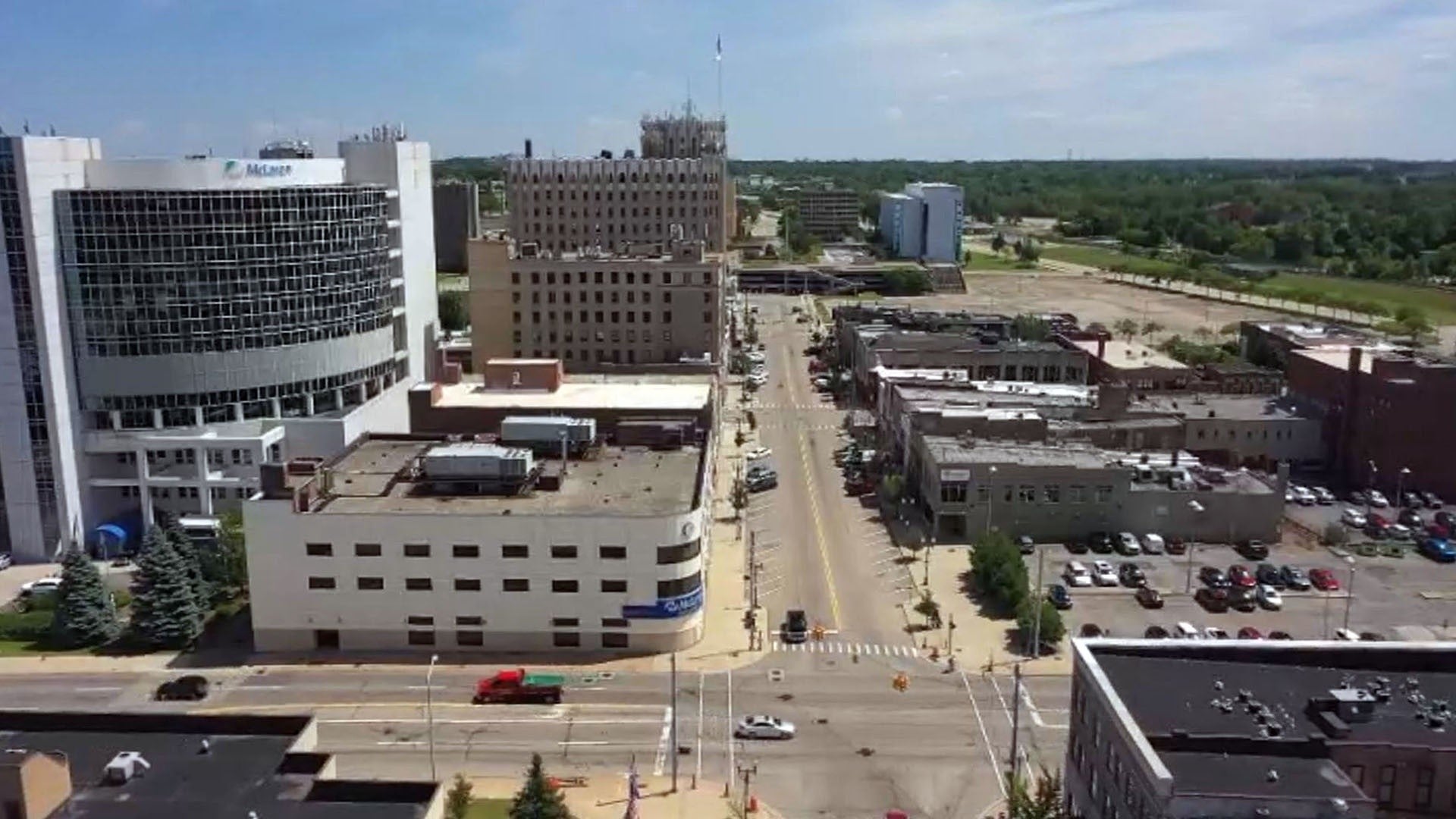
Highland Park is a 3-square-mile city entirely surrounded by Detroit, with a population of approximately 8,800.
Once a symbol of industrial innovation as the birthplace of the Model T assembly line, the city now faces some of the most severe economic indicators in the region. Census data shows a median household income near $27,500, with an estimated 46% poverty rate, among the highest nationally.
Educational infrastructure is limited, with many schools closed or consolidated over time, leading families to seek options outside city boundaries.
Municipal services have also struggled due to funding shortages. At one point, the city famously removed streetlights due to unpaid utility costs. Community organizations such as Soulardarity have since stepped in to install solar-powered lighting and advocate for infrastructure solutions.
Despite challenges, Highland Park offers strong regional access to Detroit’s job centers, hospitals, and universities. Home prices are extremely low, often ranging between $20,000 and $40,000, reflecting both risk and opportunity depending on buyer goals.
#2 — Detroit
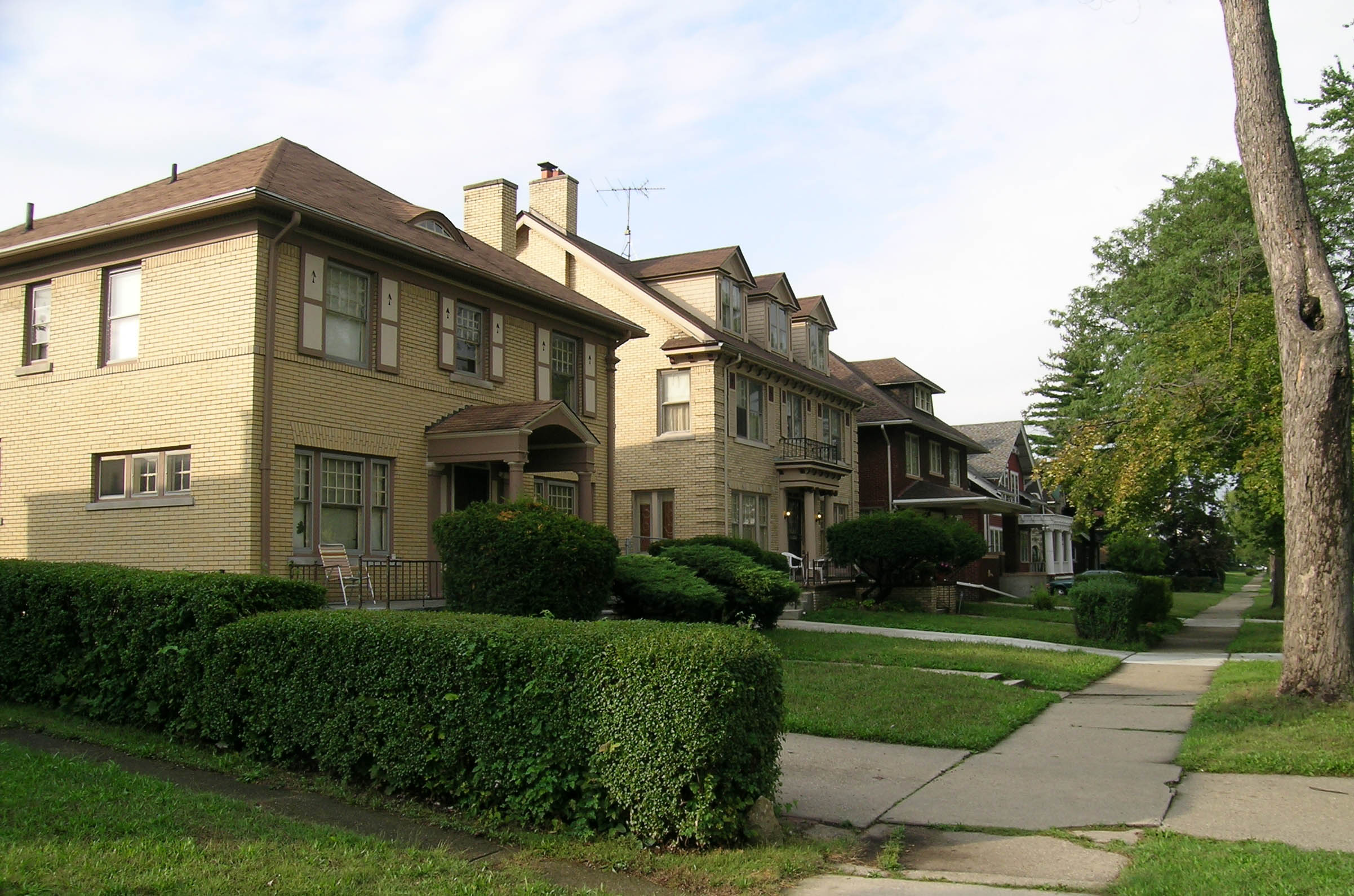
Detroit often tops “worst city” lists, but based strictly on recent data trends, it lands at number two.
The city’s population sits around 620,000, down significantly from its mid-century peak. Median household income is approximately $39,500, with about 30% of residents living below the poverty line, and child poverty exceeding 40%, according to census estimates.
Educational outcomes vary widely. While the overall public system faces challenges, Detroit is also home to high-performing charter, magnet, and specialty schools, along with major institutions like Wayne State University and University of Detroit Mercy.
Detroit has seen substantial reinvestment in Downtown and Midtown, with neighborhoods such as Corktown, Indian Village, and Bagley experiencing increased development. However, property taxes and local income taxes remain among the highest in Michigan, which can significantly impact affordability for homeowners.
Citywide average home prices range roughly $65,000 to $75,000, though prices vary dramatically by neighborhood.
#1 — River Rouge
River Rouge ranks as one of the most economically distressed cities in Michigan based on multiple metrics.
With a population around 6,900, the city reports a median household income near $22,600, and approximately 40% of residents live below the poverty line. Median home values hover around $33,000, among the lowest in Southeast Michigan.
The city’s proximity to heavily industrialized areas, including Zug Island, has contributed to longstanding environmental quality concerns. According to EPA and state environmental reports, remediation and improvement efforts are ongoing.
Educational performance trends below state averages, and many residents commute to neighboring cities for work and services. Despite this, River Rouge offers waterfront access along the Detroit River and strong community-led initiatives focused on beautification and support.

Final Perspective (Important)
These are not “bad cities.”
They are economically challenged cities, measured using public, verifiable data — not opinion.
Each community listed has:
- Deep historical roots
- Ongoing revitalization efforts
- Residents actively working toward improvement
I’ve linked additional articles below about cities and areas worth looking into!
So which city surprised you the most?
And if you’re considering a move anywhere in Metro Detroit — whether that’s next month or ten years from now — I help people move to, from, and within Michigan, and I’d be happy to help you navigate the data and your options.



Living in Parchment, Michigan: Pros, Cons, Cost of …
Parchment, Michigan is a small city in…
Thinking About Kalamazoo, Michigan? A practical guide
Kalamazoo, Michigan is a vibrant Southwest Michigan…

Burr Oak Township, Michigan Relocation Guide: Vibe, Housing, …
(Add the next paragraph 2 paragraphs here)