Moving to Huntington Woods, Michigan? What to Know About Homes, Schools, Commutes & Lifestyle

Introduction

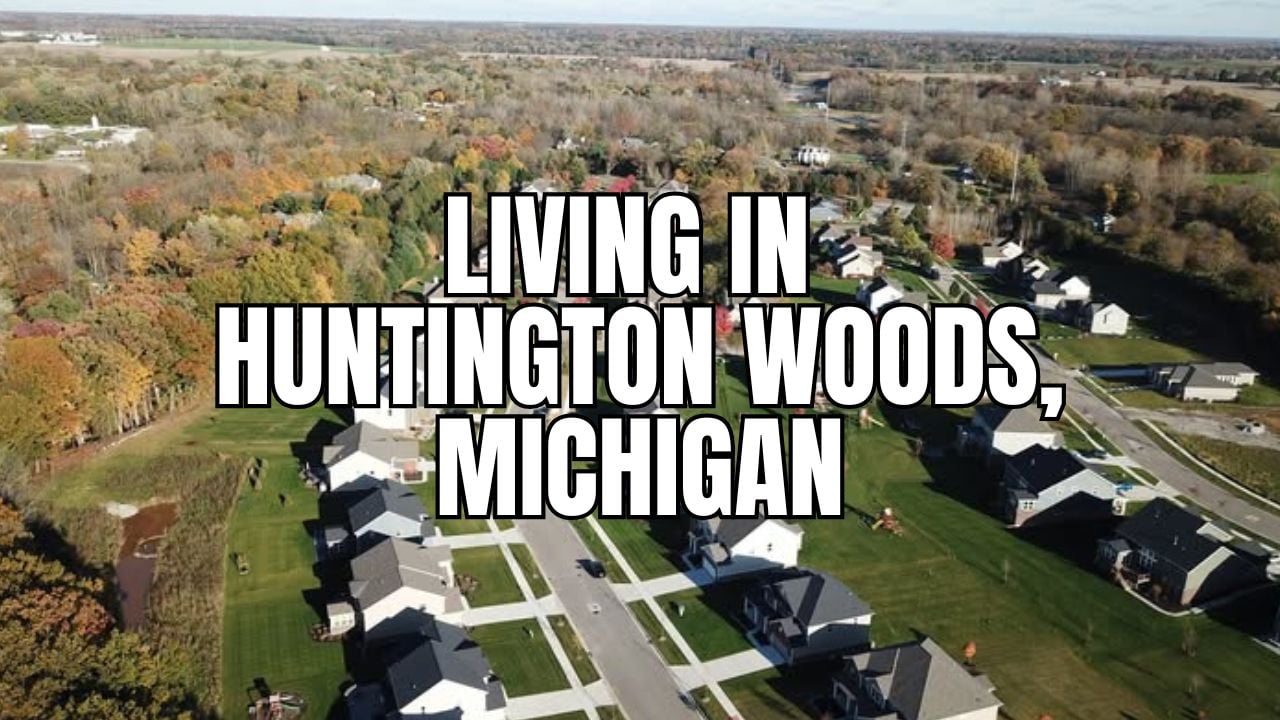
Huntington Woods, Michigan is one of those places that doesn’t try to be flashy—and doesn’t need to be. It’s a small city in southern Oakland County known for its quiet streets, consistent home styles, and proximity to many of Metro Detroit’s major destinations. People often consider Huntington Woods when they want a residential setting that feels settled and predictable, with fewer surprises year to year.

This guide walks through location, cost of living, housing, schools, and lifestyle so you can decide if Huntington Woods lines up with how you want to live day to day.
Search For All Homes For Sale
See My Home's Current Value

Where Is Huntington Woods, Michigan Located?

Huntington Woods is located in southern Oakland County, just north of Detroit. According to the U.S. Census Bureau, it is part of the Detroit–Warren–Dearborn metropolitan area. The city is bordered by Royal Oak to the north, Pleasant Ridge to the south, Berkley to the west, and Detroit nearby to the southeast.

Interstate 696 runs just north of the city, providing east-west access across Metro Detroit. Woodward Avenue (M-1) is also close by, offering a direct route into downtown Detroit and northern suburbs. Based on Michigan state GIS and transportation data, this location supports relatively short commutes to many regional employment and cultural centers.

Cost of Living in Huntington Woods, Michigan

The cost of living in Huntington Woods is higher than the Michigan average, largely due to housing costs. According to U.S. Census Bureau American Community Survey data, home values in Huntington Woods tend to exceed both state and regional medians.

Utilities and transportation costs are generally in line with broader Southeast Michigan averages, based on Bureau of Labor Statistics regional data. BestPlaces.net and Niche.com consistently note that while everyday expenses are manageable, housing is the primary driver of the city’s overall cost profile.

Real Estate & Housing Overview

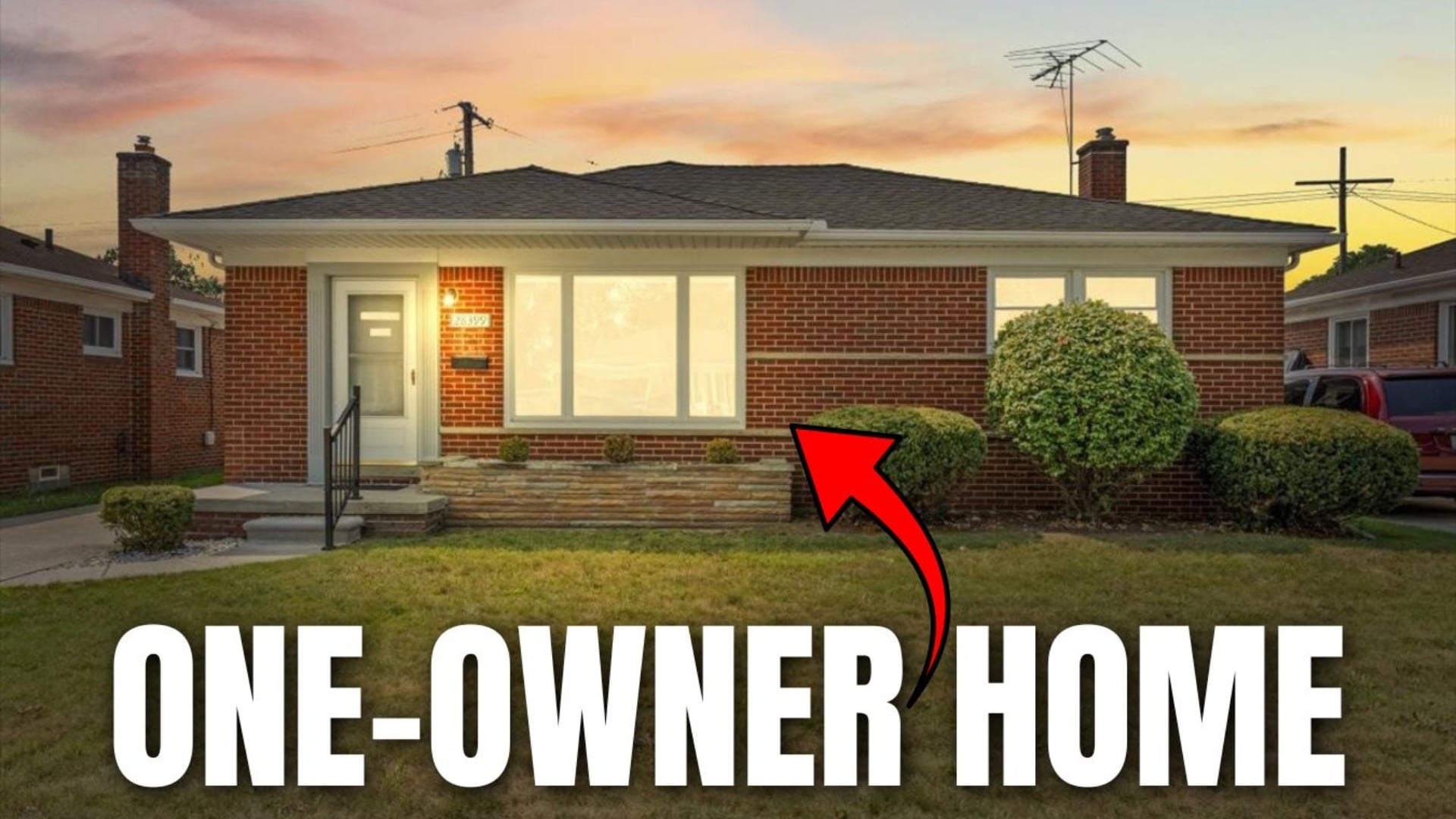
Housing in Huntington Woods is almost entirely residential, with a strong concentration of single-family homes. According to U.S. Census Bureau housing data, most homes were built between the 1920s and 1950s, giving the city a cohesive architectural feel.

Colonial and Tudor-style homes are common, typically on modest but well-maintained lots. New construction is extremely limited due to the city’s built-out nature, with most activity focused on renovations and updates rather than large-scale development. Local MLS summaries and Niche.com data show that inventory tends to be limited, reflecting the city’s small size and established housing stock.
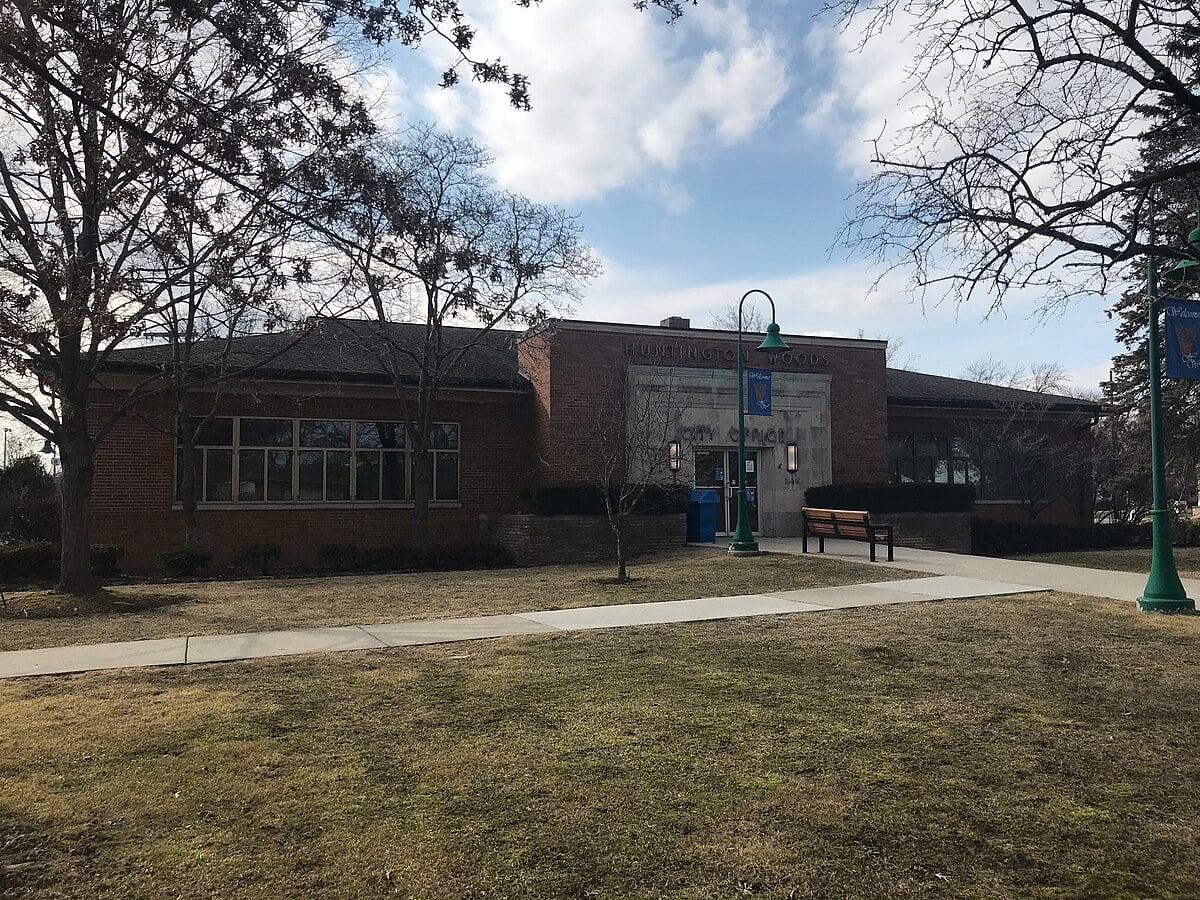
Huntington Woods, Michigan

Property Taxes in Huntington Woods

Property taxes in Huntington Woods are calculated using taxable value and local millage rates, following Michigan property tax law. As outlined by the Michigan Department of Treasury, taxable value increases are capped annually until ownership changes.

Millage rates depend on voter-approved levies and local assessments. The City of Huntington Woods and Oakland County publish current millage information, and buyers should always confirm taxes on a specific property rather than relying on general estimates.

Things to Do & Lifestyle

Huntington Woods offers a quiet, residential lifestyle with an emphasis on outdoor space and nearby amenities. The city is adjacent to Rackham Golf Course, a public course operated by Oakland County, which also includes walking paths and green space, according to Oakland County Parks information.

While Huntington Woods does not have a downtown district, it is close to the commercial areas of Berkley, Royal Oak, and Ferndale. Community events and activities are organized periodically by the city, focusing on neighborhood connection rather than large-scale festivals. There are no lakes within city limits, but regional parks and recreation areas are accessible by short drives, according to the Michigan Department of Natural Resources.

Schools & Education (Neutral Framing)

Huntington Woods is primarily served by Berkley School District. According to GreatSchools.org and Niche.com, the district provides multiple elementary, middle, and high school options, with performance varying by school and academic area.

As with any district, residents often review individual school data, programs, and enrollment options when evaluating educational fit. Additional public and non-public school options are available in nearby communities, based on Michigan Department of Education listings.

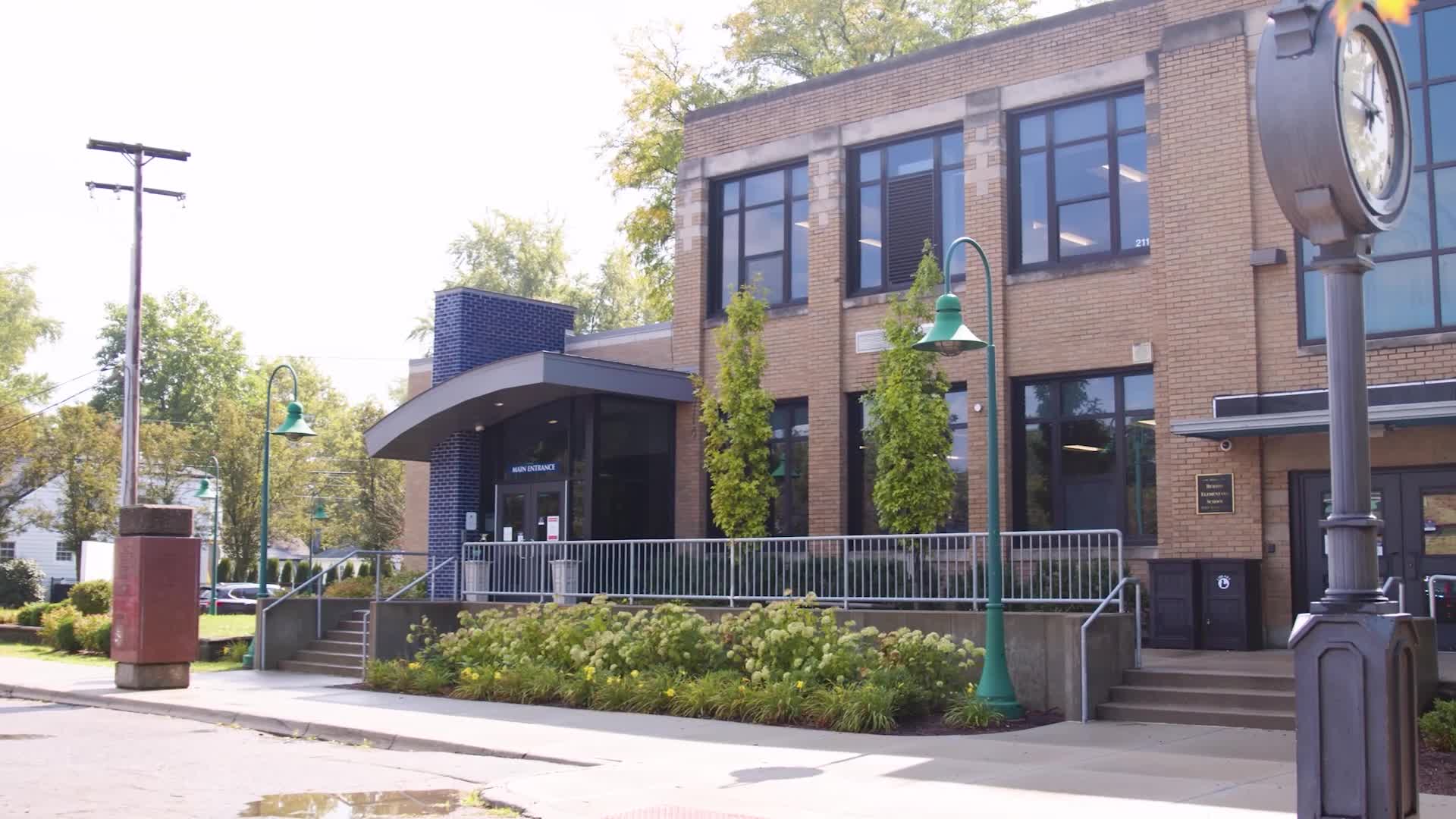
Huntington Woods, Michigan school..

Pros & Cons of Living in Huntington Woods

Pros

  • Central location in southern Oakland County

  • Consistent residential character and home styles

  • Proximity to major roadways and nearby downtowns

  • Access to parks and open space nearby

Cons

  • Higher housing costs compared to Michigan averages

  • Limited housing inventory due to small city size

  • Minimal new construction options

  • No in-city downtown commercial district

Frequently Asked Questions About Living in Huntington Woods, Michigan

Is Huntington Woods part of Metro Detroit?

Yes. According to the U.S. Census Bureau, it is part of the Detroit metropolitan area.

What county is Huntington Woods in?

Huntington Woods is located in Oakland County.

How big is Huntington Woods?

It is one of Oakland County’s smaller cities by land area and population, based on Census data.

What school district serves Huntington Woods?

The city is primarily served by Berkley School District, according to district boundary maps.

What types of homes are common in Huntington Woods?

Older single-family homes, often built before 1960, are most common per U.S. Census Bureau data.

Is there new construction in Huntington Woods?

New construction is very limited due to the city being largely built out.

How close is Huntington Woods to Detroit?

Detroit is just south of the city, making access relatively quick via nearby roads.

Does Huntington Woods have highway access?

Yes. Interstate 696 is just north of the city, with Woodward Avenue nearby.

Are there parks in Huntington Woods?

The city has local green spaces and is adjacent to Rackham Golf Course, per local government sources.

Does Huntington Woods have a downtown area?

No. Residents typically use nearby downtowns in Berkley, Royal Oak, or Ferndale.

Are property taxes high in Huntington Woods?

Taxes reflect Oakland County rates and voter-approved millages, per the Michigan Department of Treasury.

Is Huntington Woods walkable?

The city is walkable within neighborhoods, though most shopping and dining are outside city limits, according to BestPlaces.net.

To Conclude:

If you're looking to move to, from, or within the state of Michigan in one day or a million, I help people do just that and I love it as a Michigan Realtor. Please reach out anytime for help — I’m happy to be your go-to resource.

Question for you!

What’s the most important factor you’d consider when deciding whether Huntington Woods, Michigan is the right place to live?

Search For All Homes For Sale
See My Home's Current Value
living in michigan | andrew mcmanamon realtor

Andrew McManamon

Founder of Living In Michigan
Michigan Realtor®
[email protected]
Contact Us
www.LivinginMichigan.com

Check Out the EXCLUSIVE "Living In Michigan" Apparel HERELiving In Michigan apparel

Subscribe to the Living in Michigan Newsletter HEREliving in Michigan newsletter | michigan realtor |andrew mcmanamon realtor | living in michigan

Check out recent articles

The Truth About Allen Township, Michigan: Neighborhoods, Prices, …

The Truth About Allen Township, Michigan: Neighborhoods, Prices, …

Allen Township, Michigan offers a rural Hillsdale…

Is Adams Township (Hillsdale County), Michigan a Good …

Is Adams Township (Hillsdale County), Michigan a Good …

Adams Township, Michigan is a rural Hillsdale…

Moving to Reading, Michigan? What to Know About …

Moving to Reading, Michigan? What to Know About …

Reading, Michigan is a small Hillsdale County…