Romeo, Michigan: Best Neighborhood Pockets + Pros/Cons for Newcomers — Should You Move Here?

Introduction

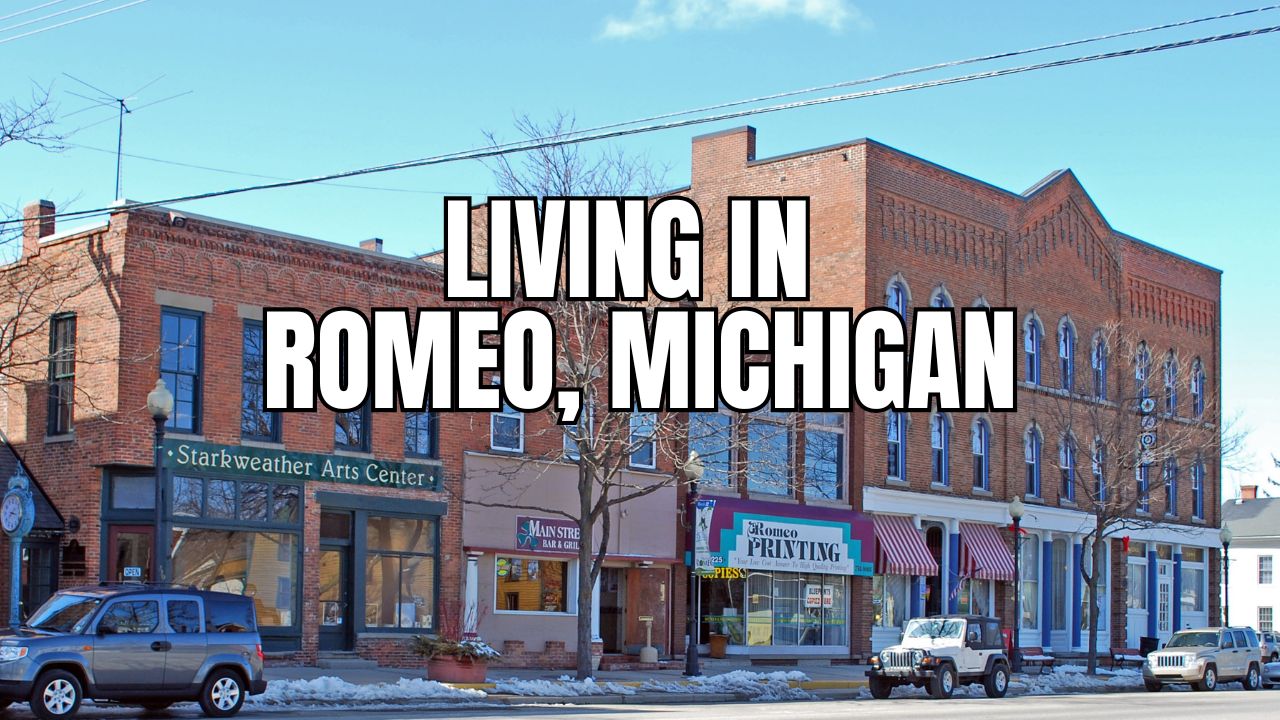
Romeo, Michigan is one of those places that tends to surprise people—in a good way. With its historic downtown, walkable streets, and village-style layout, Romeo offers a noticeably different feel from many surrounding Metro Detroit suburbs. It’s often considered by buyers who want a quieter environment while still staying connected to Macomb County amenities.

That said, Romeo isn’t trying to be everything to everyone. Housing options are more limited than in larger cities, and the pace of life is intentionally slower. If you’re researching whether Romeo fits your long-term lifestyle, this breakdown will help set realistic expectations.
Search For All Homes For Sale
See My Home's Current Value

Where Is Romeo, Michigan Located?

Romeo is a village located in northern Macomb County, Michigan. It sits approximately 35 miles north of downtown Detroit and is surrounded by Washington Township and Ray Township.

According to the U.S. Census Bureau, Romeo covers just under one square mile, making it one of the more compact municipalities in the county. It’s primarily accessed via M-53 (Van Dyke Avenue), which connects residents south toward Sterling Heights and north toward rural Macomb County communities (U.S. Census Bureau; Michigan Geographic Framework).

Cost of Living in Romeo, Michigan

Romeo’s overall cost of living is generally close to Michigan averages, with housing being the biggest variable depending on property type and location.

According to U.S. Census Bureau American Community Survey data, owner-occupied housing costs in Romeo trend slightly above some nearby rural communities but below many inner-ring Detroit suburbs. Utilities and transportation costs align closely with statewide norms, per Bureau of Labor Statistics regional CPI data.

Based on data from BestPlaces.net and Niche.com, Romeo’s cost of living index is near the Michigan average, with housing accounting for the largest portion of household expenses.

Real Estate & Housing Overview

Romeo’s housing stock is largely made up of older, well-established homes, many dating from the early to mid-1900s. Architectural styles include historic Victorian homes, mid-century ranches, and smaller single-family residences on modest lots.

According to U.S. Census Bureau housing data, most homes in Romeo were built before 1980, with limited new construction inside the village due to its small footprint. Newer construction is more commonly found in surrounding townships rather than within village limits.

MLS trend data and Niche.com indicate that inventory levels tend to be lower than in larger suburbs, which can influence pricing and time on market without signaling future market performance.
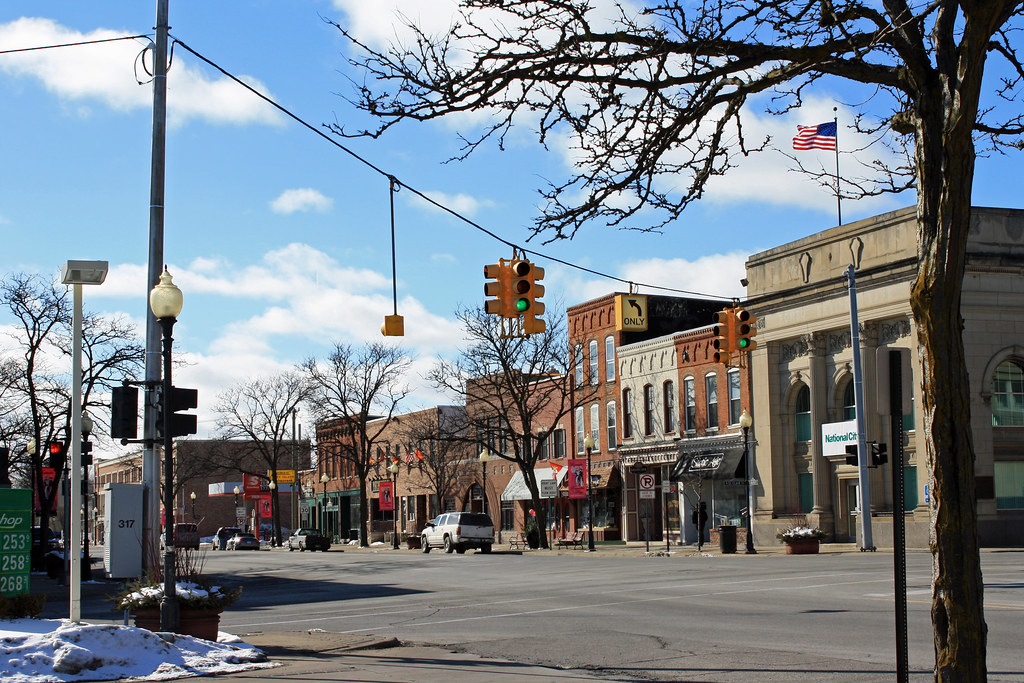

Romeo, Michigan

Property Taxes in Romeo

Property taxes in Romeo are based on Michigan’s taxable value system, which considers the property’s assessed value and applicable millage rates.

According to the Michigan Department of Treasury, property tax rates vary by municipality and can change annually based on local budgets and voter-approved millages. Romeo’s village taxes are applied in addition to Macomb County and school district millages.

For exact figures, homeowners should always consult the Village of Romeo or Macomb County Equalization Department directly before purchasing.

Things to Do & Lifestyle

Romeo’s lifestyle centers on walkability, local events, and access to outdoor recreation.

The village is known for its historic downtown, which includes locally owned shops, restaurants, and seasonal events. Romeo also hosts long-running community traditions such as the Romeo Peach Festival, according to village records.

Outdoor options are a strong draw. The Macomb Orchard Trail runs directly through Romeo, providing paved access for walking and biking. Stony Creek Metropark is also nearby, offering hiking trails, water access, and year-round recreation (Macomb County Parks; Huron-Clinton Metroparks).

Schools & Education (Neutral Framing)

Romeo is served by Romeo Community Schools.

According to GreatSchools.org and Niche.com, the district offers a range of elementary, middle, and high school options with academic performance metrics published publicly. As with any district, individual school experiences may vary, and families are encouraged to review multiple data sources when evaluating fit.

Private and charter school options are also available in surrounding Macomb County communities.

Romeo, Michigan school

Pros & Cons of Living in Romeo

Pros:

  • Walkable historic downtown (Village of Romeo)

  • Access to regional trails and parks (Macomb County Parks)

  • Small geographic footprint with village-style layout (U.S. Census Bureau)

  • Proximity to both suburban and rural Macomb County areas

Cons:

  • Limited housing inventory within village limits (MLS data)

  • Fewer large-scale retail options compared to larger suburbs

  • Commute options primarily centered around Van Dyke Avenue (MDOT)

Frequently Asked Questions About Living in Romeo, Michigan

Is Romeo, Michigan a village or a city?

Romeo is officially classified as a village, according to the State of Michigan.

How far is Romeo from Detroit?

Romeo is approximately 35 miles north of downtown Detroit, per MDOT mapping data.

Does Romeo have a downtown area?

Yes, Romeo has a walkable historic downtown district maintained by the village.

What school district serves Romeo?

Romeo Community Schools serve the village (GreatSchools.org).

Are there parks near Romeo?

Yes, including Macomb Orchard Trail access and nearby Stony Creek Metropark.

Is public transportation available in Romeo?

Public transit options are limited; most residents rely on personal vehicles (SMART Transit data).

Are there new homes being built in Romeo?

New construction inside the village is limited due to space constraints (U.S. Census Bureau).

What county is Romeo in?

Romeo is located in Macomb County, Michigan.

Does Romeo host community events?

Yes, including seasonal festivals and village-sponsored events (Village of Romeo).

Is Romeo considered rural or suburban?

Romeo blends small-town village characteristics with suburban access, depending on perspective.

To Conclude:

If you're looking to move to, from, or within the state of Michigan in one day or a million, I help people do just that and I love it as a Michigan Realtor. Please reach out anytime for help — I’m happy to be your go-to resource.

Question for you!

What’s the first thing you’d want to explore if you spent a weekend in Romeo, Michigan?

Search For All Homes For Sale
See My Home's Current Value
living in michigan | andrew mcmanamon realtor

Andrew McManamon

Founder of Living In Michigan
Michigan Realtor®
[email protected]
Contact Us
www.LivinginMichigan.com

Check Out the EXCLUSIVE "Living In Michigan" Apparel HERELiving In Michigan apparel

Subscribe to the Living in Michigan Newsletter HEREliving in Michigan newsletter | michigan realtor |andrew mcmanamon realtor | living in michigan

Check out recent articles

Before You Move to Scipio Township, Michigan: The …

Before You Move to Scipio Township, Michigan: The …

Scipio Township, Michigan offers a rural Hillsdale…

Reading Township, Michigan Relocation Guide: Vibe, Housing, Amenities …

Reading Township, Michigan Relocation Guide: Vibe, Housing, Amenities …

Reading Township, Michigan offers a quiet Hillsdale…

The Truth About Ransom Township, Michigan: Neighborhoods, Prices, …

The Truth About Ransom Township, Michigan: Neighborhoods, Prices, …

Ransom Township, Michigan offers a rural Hillsdale…