
Introduction
Addison, Michigan is one of those places people often discover while looking for a quieter corner of Lenawee County. It’s small, straightforward, and rooted in a traditional village layout that hasn’t tried to be anything it’s not. For buyers and relocators who value simplicity, manageable scale, and a slower daily rhythm, Addison tends to show up on the radar for all the right reasons.
That said, living here comes with trade-offs. This isn’t a high-amenity, walk-everywhere destination, and most errands involve a short drive. Understanding that balance upfront helps set realistic expectations before making a move
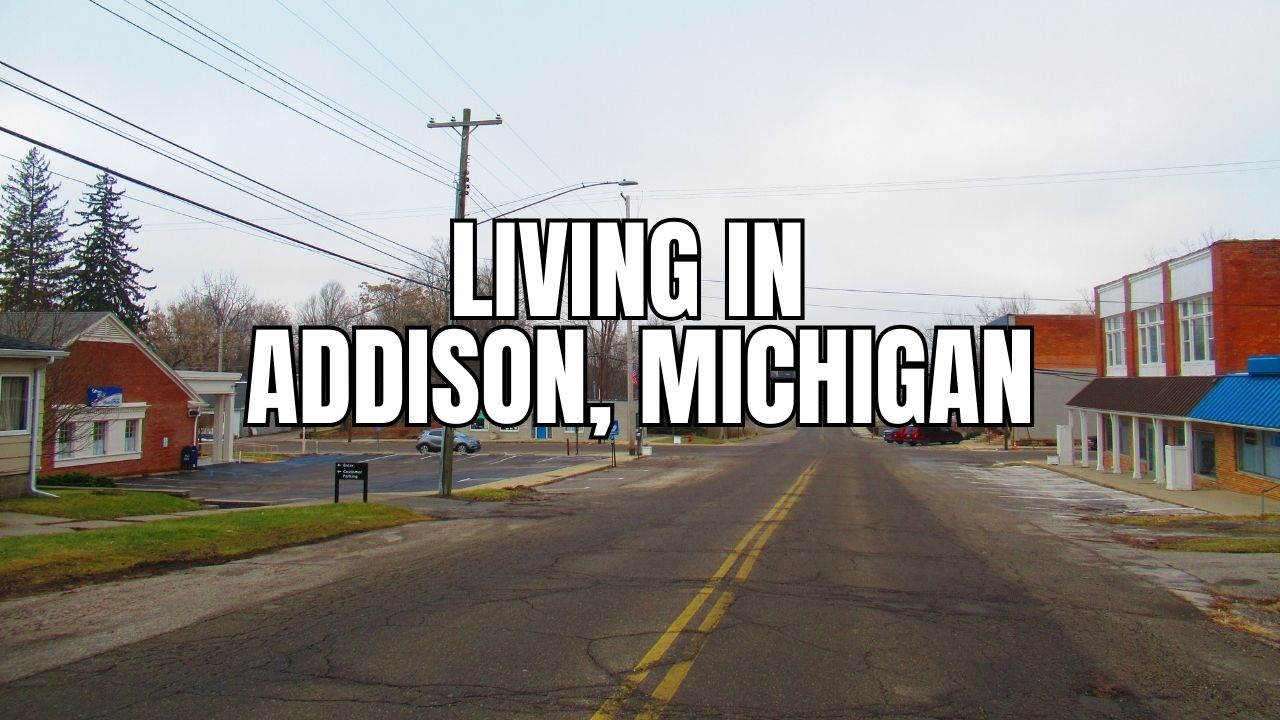
Cost of Living in Addison, Michigan
Cost of living data for Addison is somewhat limited due to its size, but broader Lenawee County trends provide useful context. Based on U.S. Census Bureau housing data, median home values in Lenawee County generally fall below the Michigan statewide average.
Utilities and transportation costs tend to align with other rural Southeast Michigan communities, according to Bureau of Labor Statistics regional data. Residents should expect typical Midwestern seasonal utility fluctuations, especially during winter heating months. Overall, living costs in Addison are often considered more modest than those found in larger metro areas, though individual expenses vary by household and housing type.
Real Estate & Housing Overview
Housing in Addison reflects its long-established village character. According to U.S. Census Bureau housing stock data, much of the residential inventory consists of single-family homes built prior to the 1980s, with a mix of older historic houses and mid-century construction.
Lot sizes within the village are generally modest, while properties outside the village boundaries often sit on larger parcels. New construction is limited, and most buyers are choosing from existing homes rather than large-scale developments. Based on regional MLS summaries and Niche.com housing profiles, real estate activity here tends to be steady but not fast-paced, with fewer listings and less turnover than suburban markets.






Michigan's FASTEST Growing Towns Are Losing Value (Here's …
Michigan is growing, but home prices are…
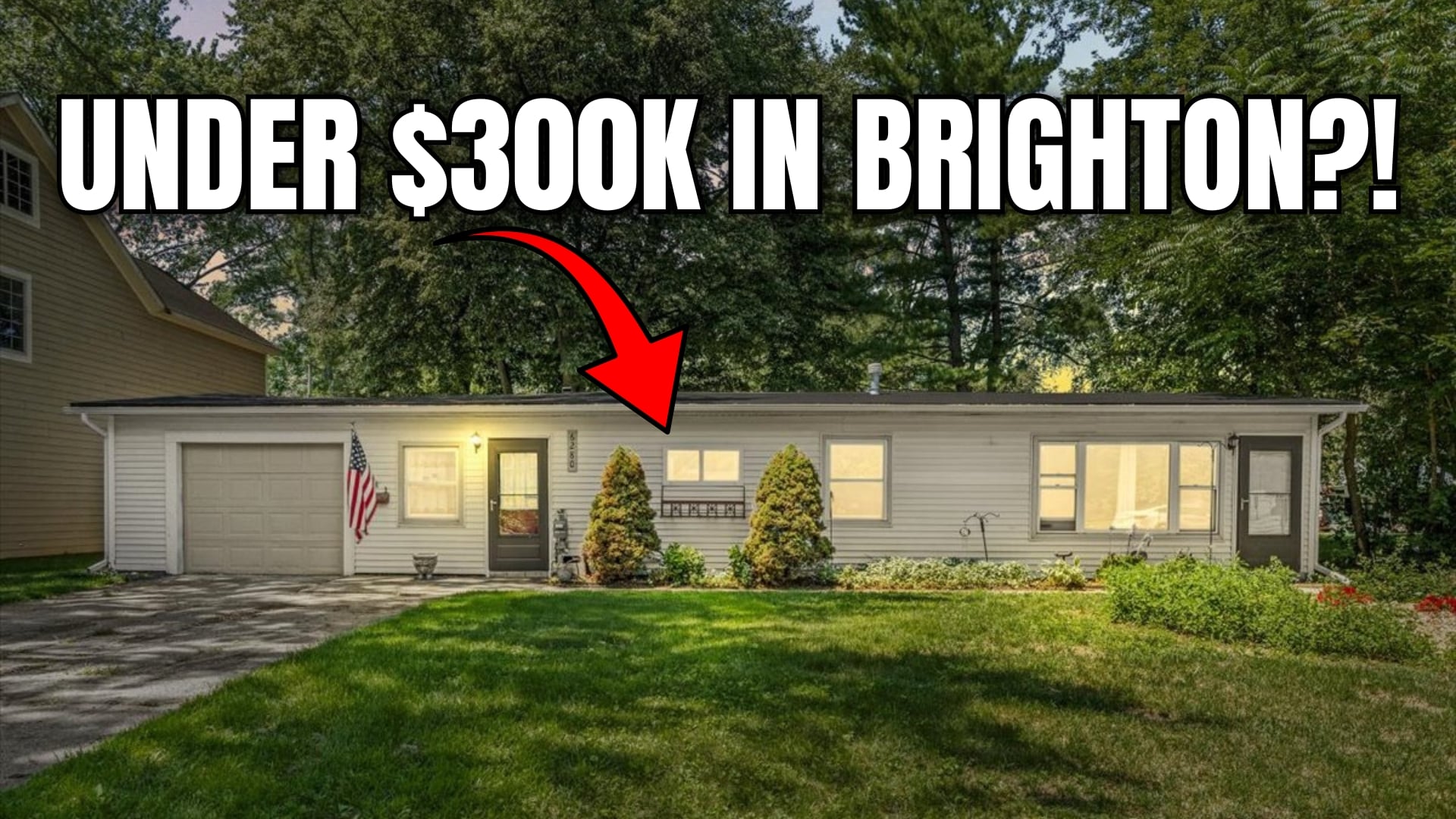
The Most Connected Home in Brighton, Michigan | …
6280 Beth Rd, Brighton, MI: move-in-ready 3-bed,…