
Introduction
If you’ve been exploring small cities in Southeast Michigan that offer space, community amenities, and a walkable downtown, Lapeer, Michigan likely popped up on your radar.
Located in Lapeer County, this city blends historic charm with suburban-style neighborhoods and easy highway access. Some people are drawn here for the more relaxed pace compared to Metro Detroit. Others appreciate the parks, lakes, and variety of housing options.
In this guide, we’ll walk through what it’s really like to live in Lapeer — including cost of living, real estate trends, property taxes, schools, and everyday lifestyle considerations — so you can decide if it fits your goals.
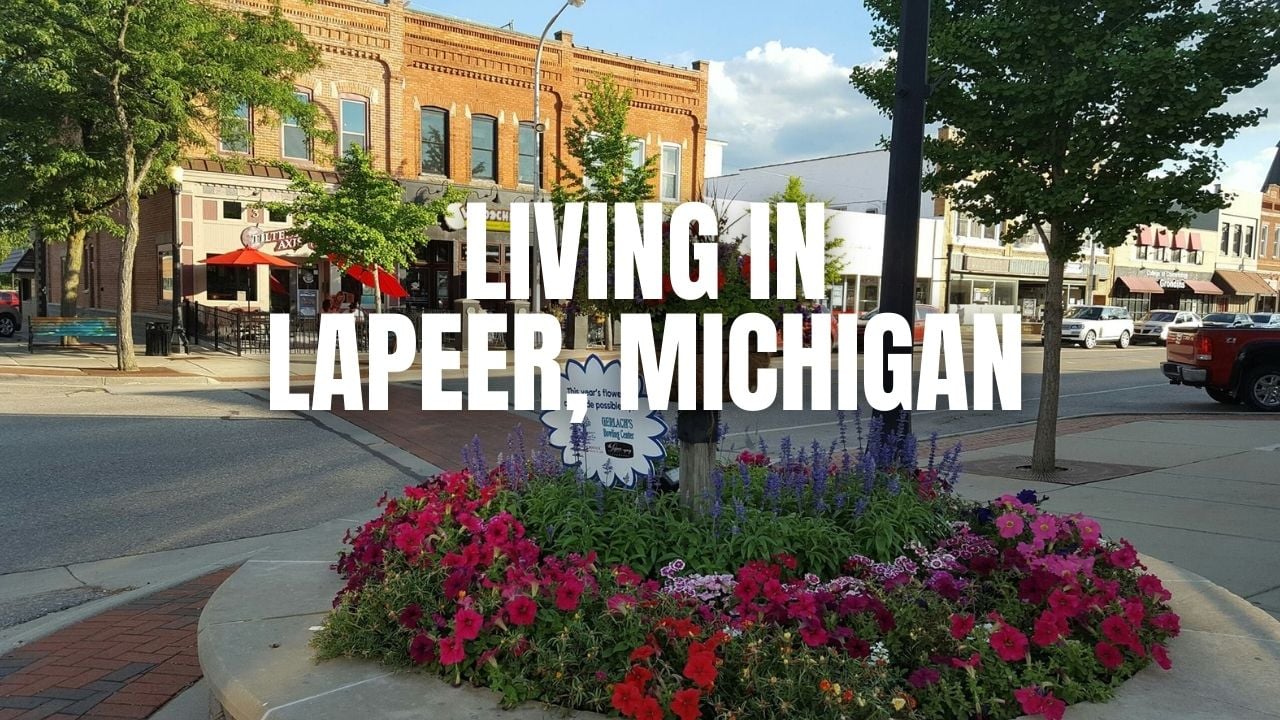
Cost of Living in Lapeer, Michigan
Cost of living is one of the biggest reasons people consider Lapeer.
According to U.S. Census Bureau data, the median household income in Lapeer is lower than the Michigan statewide median, and housing costs tend to reflect that. BestPlaces.net reports that Lapeer’s overall cost of living index is below the national average.
Housing costs are generally more affordable than many parts of Metro Detroit. Per data reported by Niche.com and local MLS trends, median home values in Lapeer are typically below the Michigan statewide median.
Utilities and transportation costs are generally consistent with statewide averages, according to data from the Bureau of Labor Statistics for the Midwest region.
As always, individual costs vary depending on housing choice, commute distance, and lifestyle.
Real Estate & Housing Overview
Lapeer offers a mix of historic homes, mid-century neighborhoods, and newer residential developments.
Based on U.S. Census Bureau housing data:
A large portion of homes were built between the 1950s and 1990s
Owner-occupied housing makes up the majority of properties
Lot sizes are typically larger than those found in denser suburban communities
You’ll find:
Traditional two-story homes near downtown
Ranch-style homes in established subdivisions
Newer construction homes on the outskirts of the city
New construction activity exists but is not at the scale seen in high-growth Metro Detroit suburbs. Local MLS data shows steady market activity without extreme volatility compared to larger urban markets.
As with any real estate market, pricing and availability shift with inventory levels and interest rates.




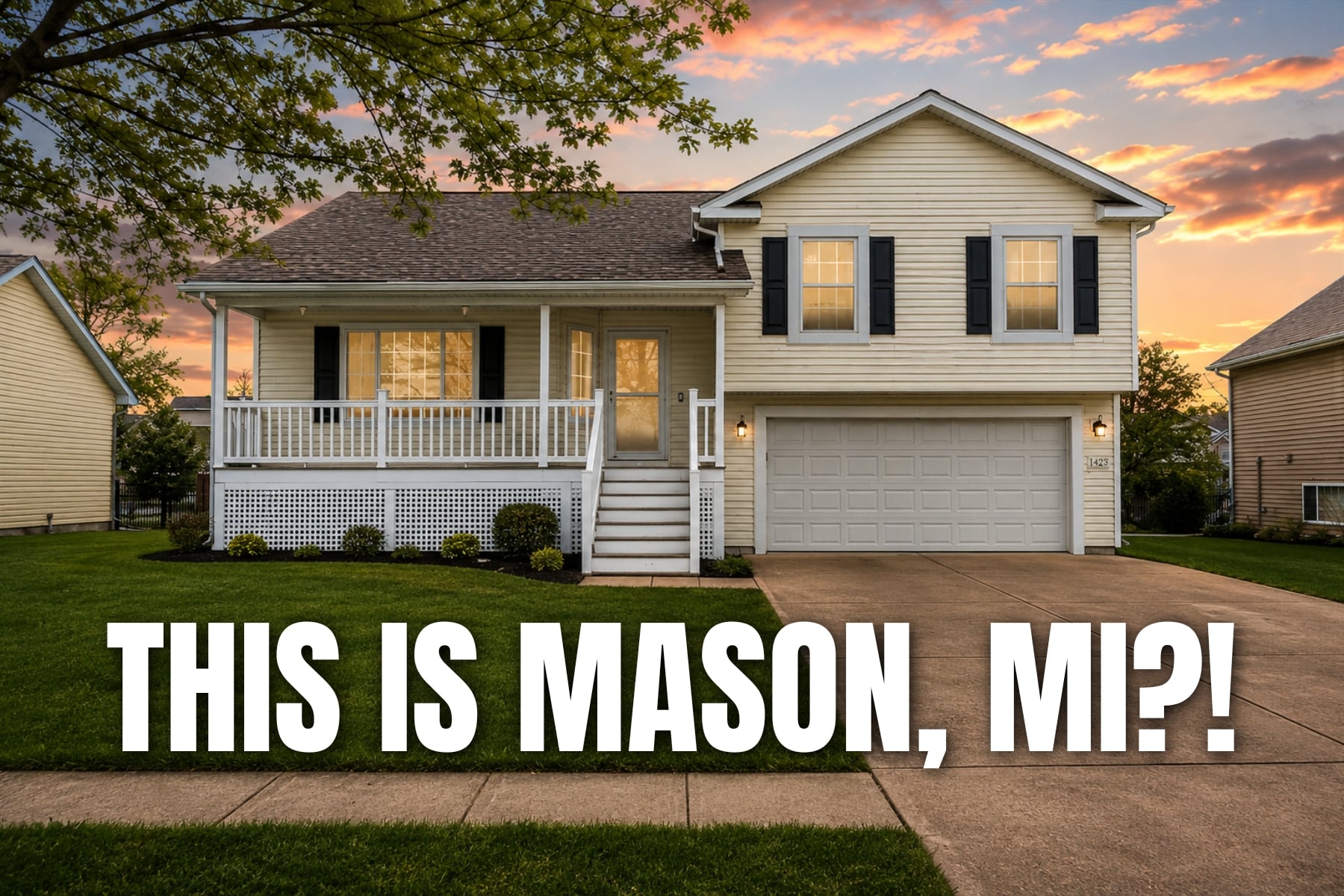
A Neighborhood Lifestyle Just Minutes From Downtown Mason …
Discover 422 Coventry Lane in Mason, Michigan,…
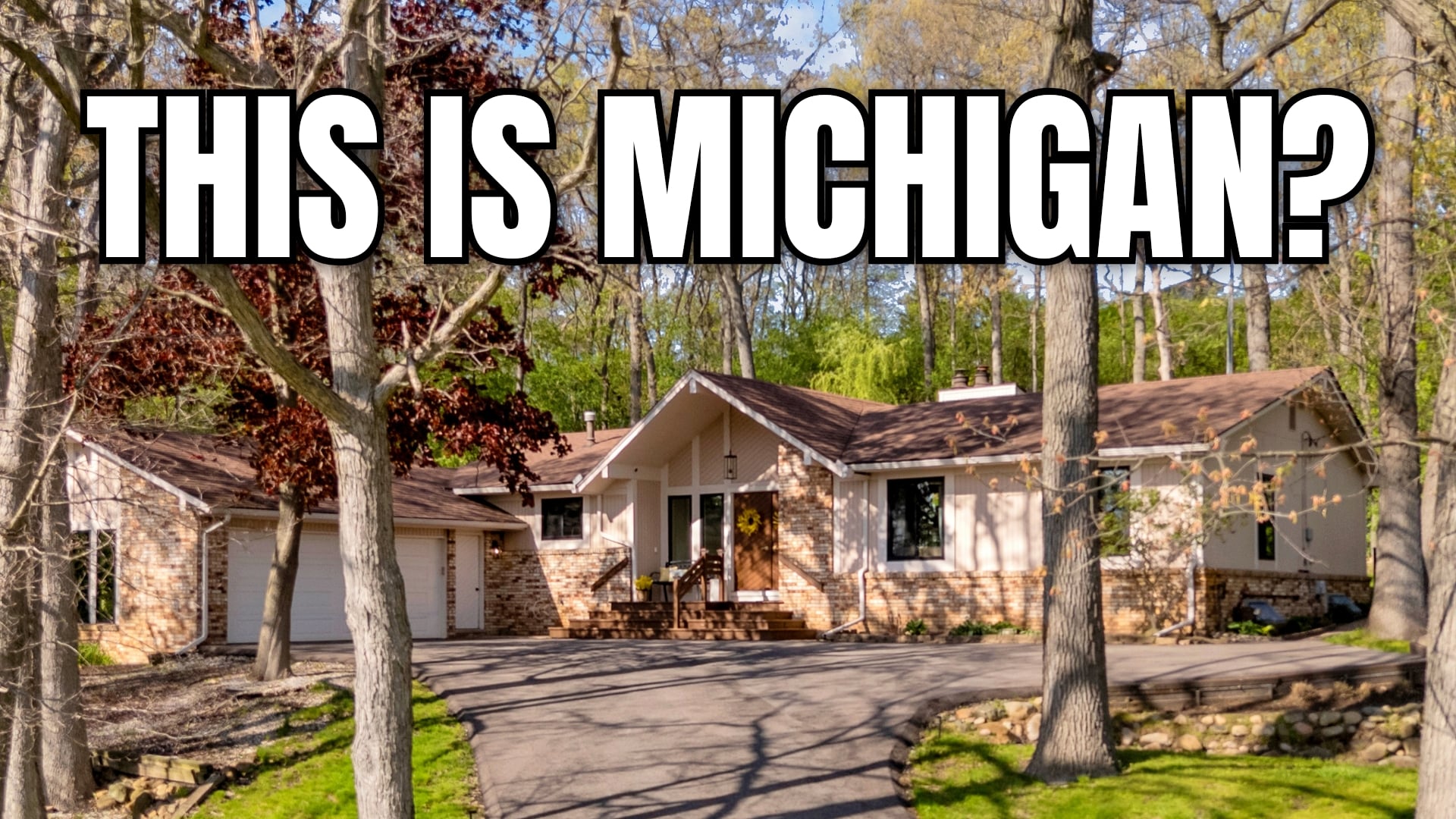
Inside One of Clarkston Michigan’s Most Relaxing Homes …
Tour 6692 Balmoral Terrace, a fully remodeled…
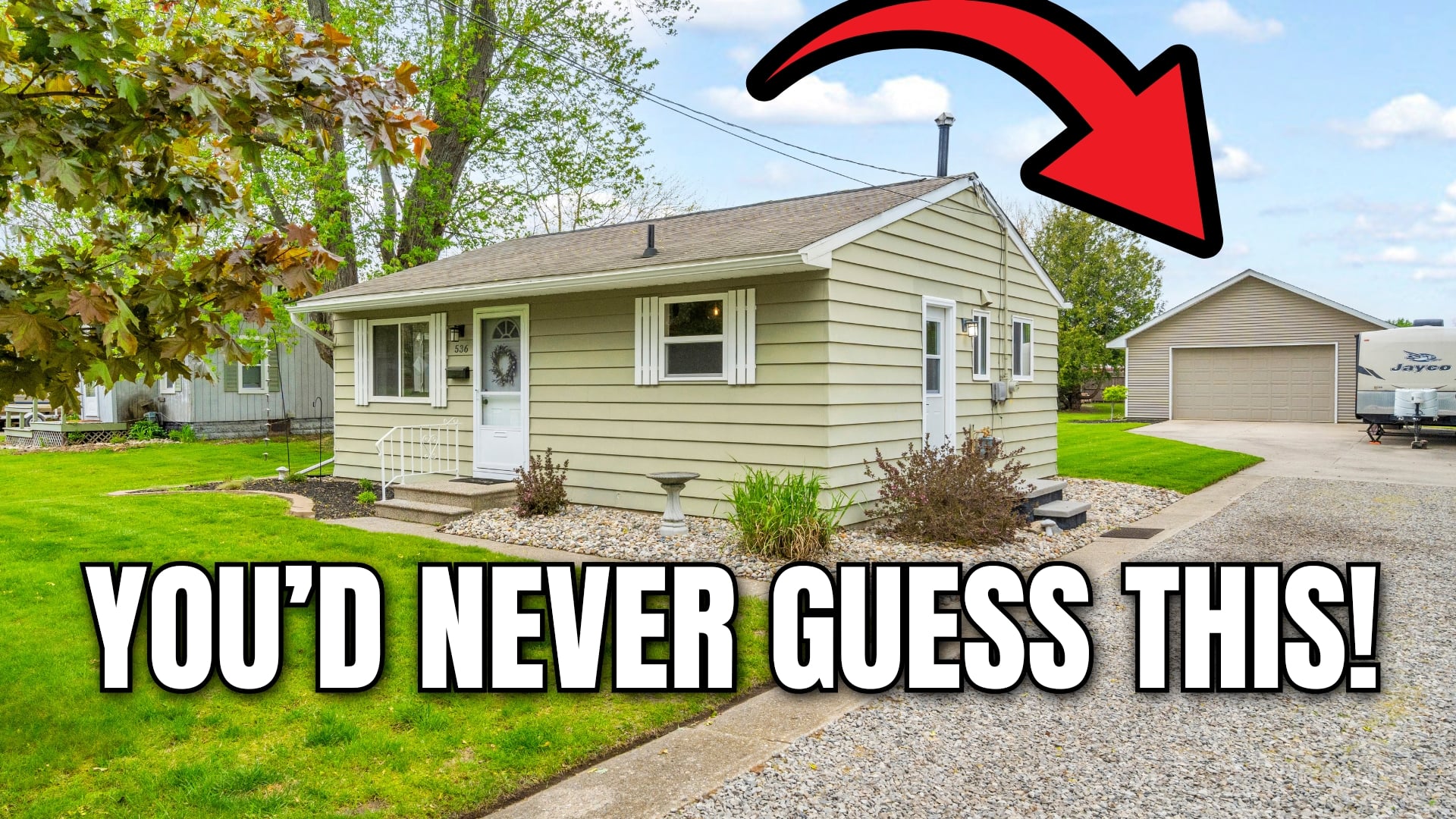
Cozy Living Near Downtown Fenton, Michigan | 536 …
Cozy, low-maintenance living just minutes from downtown…