
Introduction
If your idea of the perfect Michigan lifestyle includes open space, fewer neighbors, and the sound of wind moving through farmland instead of traffic, Blumfield Township might feel like a refreshing change of pace.
Located in Saginaw County, Blumfield Township offers a rural environment with easy access to nearby cities for work, shopping, and services. People often consider moving here for the larger lot sizes, agricultural surroundings, and quieter daily rhythm compared to suburban areas.
This guide walks through what it’s like living in Blumfield Township, including housing, cost of living, schools, taxes, and everyday lifestyle realities.
Cost of Living in Blumfield Township, Michigan
Cost of living in Blumfield Township is largely influenced by housing and transportation patterns.
According to the U.S. Census Bureau, rural townships in Michigan typically consist of detached homes, which often offer more land compared to suburban areas. Housing costs in Saginaw County overall tend to be lower than the national average, according to BestPlaces.net.
Utilities in Michigan generally align with Midwest averages, based on Bureau of Labor Statistics regional consumer expenditure data.
Transportation costs can vary depending on commute distance, since most residents rely on personal vehicles due to limited public transit options.
Niche.com reports that many rural Michigan communities offer relatively affordable housing compared to national averages, though exact pricing depends on property size, condition, and location.
Real Estate & Housing Overview
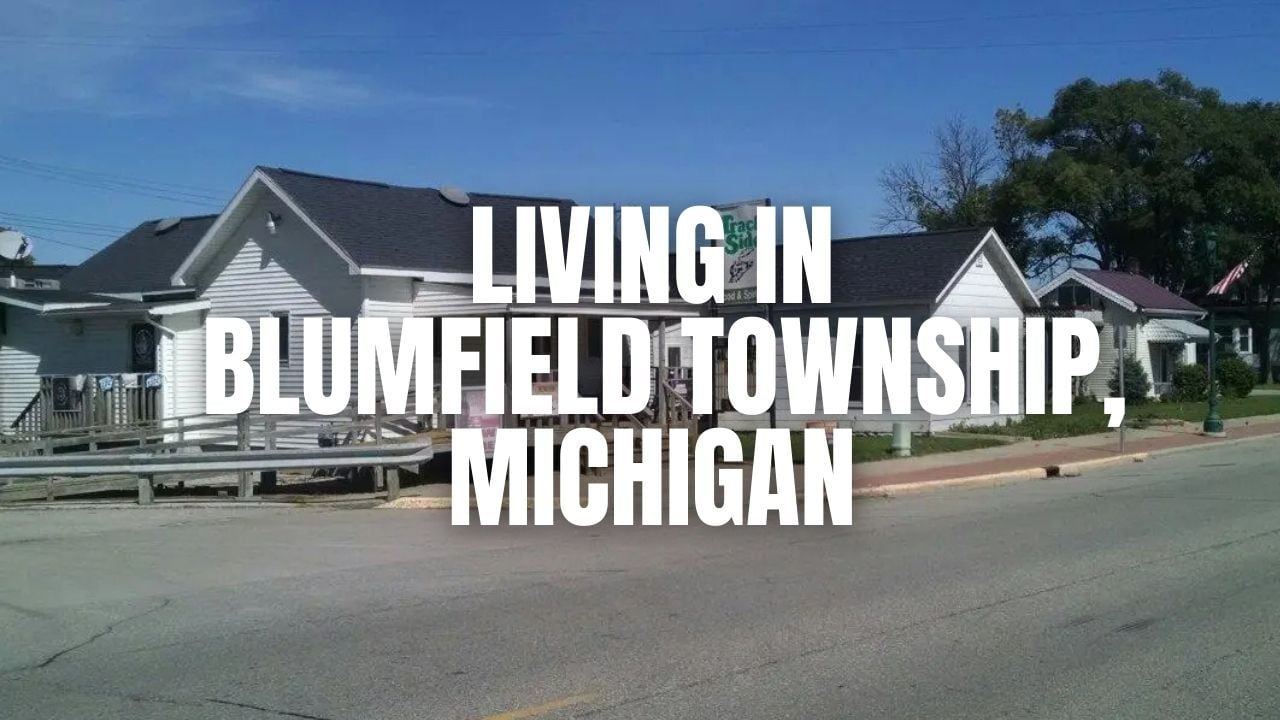
Housing in Blumfield Township is primarily made up of single-family homes and agricultural properties.
According to U.S. Census Bureau housing data:
The majority of homes are detached residential properties
Many homes were built between the 1950s and 1990s
Properties often include larger lot sizes compared to suburban neighborhoods
Common home types include:
Ranch-style homes
Traditional two-story homes
Farmhouses and custom-built homes
Properties with acreage
New construction exists but is less frequent compared to fast-growing suburban areas. Local MLS data typically shows lower housing inventory levels, which is common in rural townships.
Buyers seeking space and privacy often find these types of housing options appealing.



Thinking About Kalamazoo, Michigan? A practical guide
Thinking about moving to Kalamazoo, Michigan? This…
Galesburg, Michigan Living Guide: The Ultimate living guide
Galesburg, Michigan is a small Kalamazoo County…
Vandalia, Michigan: Best Neighborhood Pockets + Pros/Cons for …
Vandalia, Michigan is an incorporated village of…