
Introduction
If you’ve been considering a move to a quieter part of Michigan where open space, rural scenery, and a slower pace of life are part of the everyday experience, Chesaning Township might be on your list.
Located in Saginaw County, Chesaning Township offers a lifestyle centered around space, nature, and small-town convenience. Many homebuyers are drawn to the area for its larger properties, lower housing density, and access to nearby communities like Chesaning and Owosso.
This guide will walk you through what locals know about living in Chesaning Township — including cost of living, housing options, schools, property taxes, and lifestyle factors — so you can make an informed relocation decision.
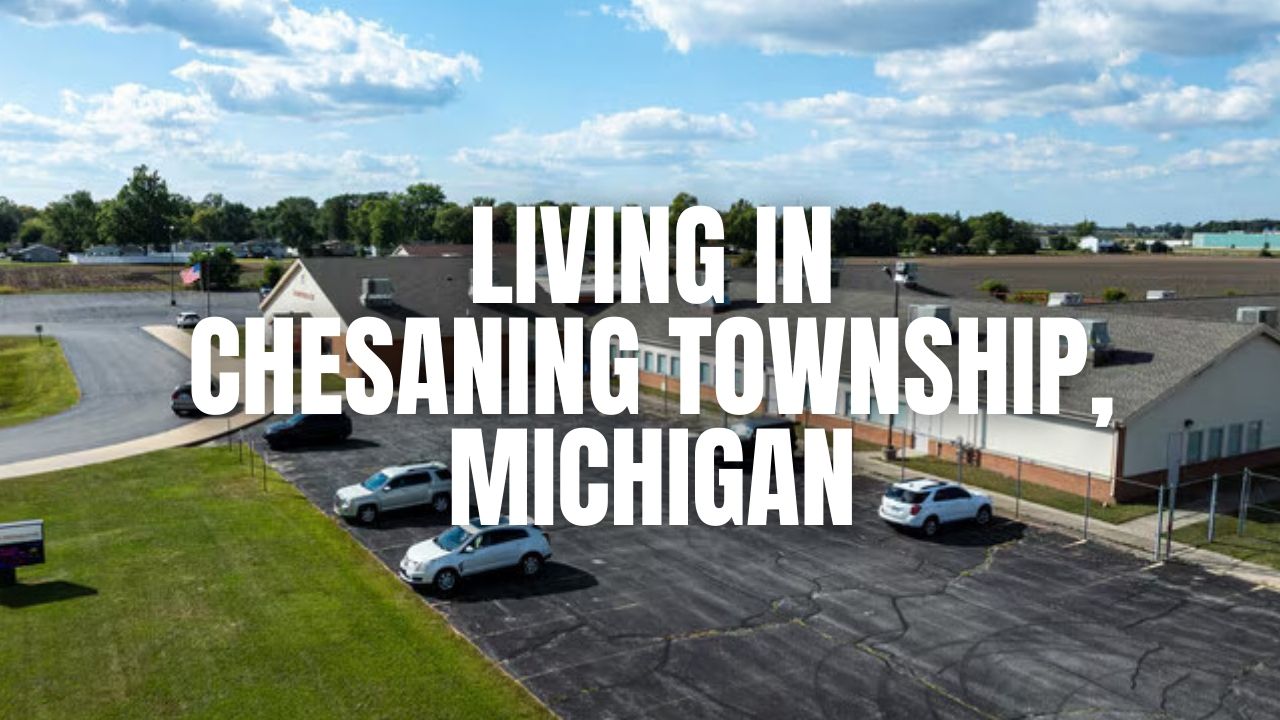
Cost of Living in Chesaning Township, Michigan
Cost of living in Chesaning Township is generally influenced by housing costs, transportation, and utilities.
According to the U.S. Census Bureau, rural townships like Chesaning Township tend to have lower housing density and a higher percentage of single-family homes compared to urban areas.
BestPlaces.net reports that Saginaw County overall has a cost of living below the national average, particularly in housing expenses.
Utilities and food costs are generally consistent with Michigan statewide averages, based on Bureau of Labor Statistics regional data.
Transportation costs may vary depending on commute distance, since most residents rely on personal vehicles due to limited public transit availability.
Real Estate & Housing Overview
Housing in Chesaning Township primarily consists of single-family homes, often on larger lots.
According to U.S. Census Bureau housing data:
Most housing units are detached homes
Many homes were built between 1950 and 1990
Rural residential properties and farmland are common
You’ll commonly see:
Ranch-style homes
Farmhouses and country homes
Newer custom homes on acreage
Small residential subdivisions
New construction exists but is typically limited compared to fast-growing suburban areas. Based on general MLS patterns for rural Michigan townships, housing inventory tends to be lower than in urban areas.
This type of housing appeals to buyers looking for more space and less density.



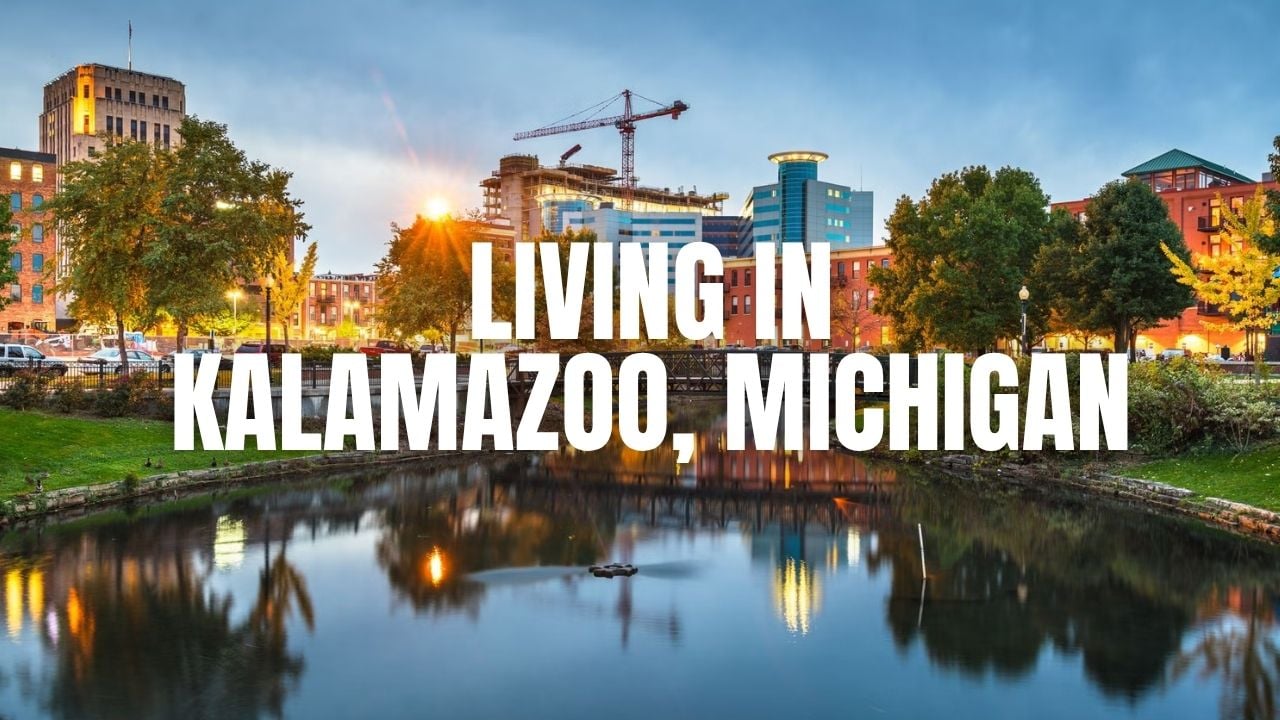
Thinking About Kalamazoo, Michigan? A practical guide
Thinking about moving to Kalamazoo, Michigan? This…
Galesburg, Michigan Living Guide: The Ultimate living guide
Galesburg, Michigan is a small Kalamazoo County…
Vandalia, Michigan: Best Neighborhood Pockets + Pros/Cons for …
Vandalia, Michigan is an incorporated village of…