
Introduction
If you’re looking for a suburban-style community with retail access, healthcare facilities, and proximity to a regional employment hub, Saginaw Township, Michigan often makes the shortlist.
Located just west of the City of Saginaw, this township blends residential neighborhoods with commercial corridors and parks. Some people are drawn here for the convenience factor. Others appreciate the established housing stock and location near major roads.
In this guide, we’ll walk through what it’s really like to live in Saginaw Township — including cost of living, housing options, property taxes, schools, and lifestyle — so you can decide if it fits your relocation goals.
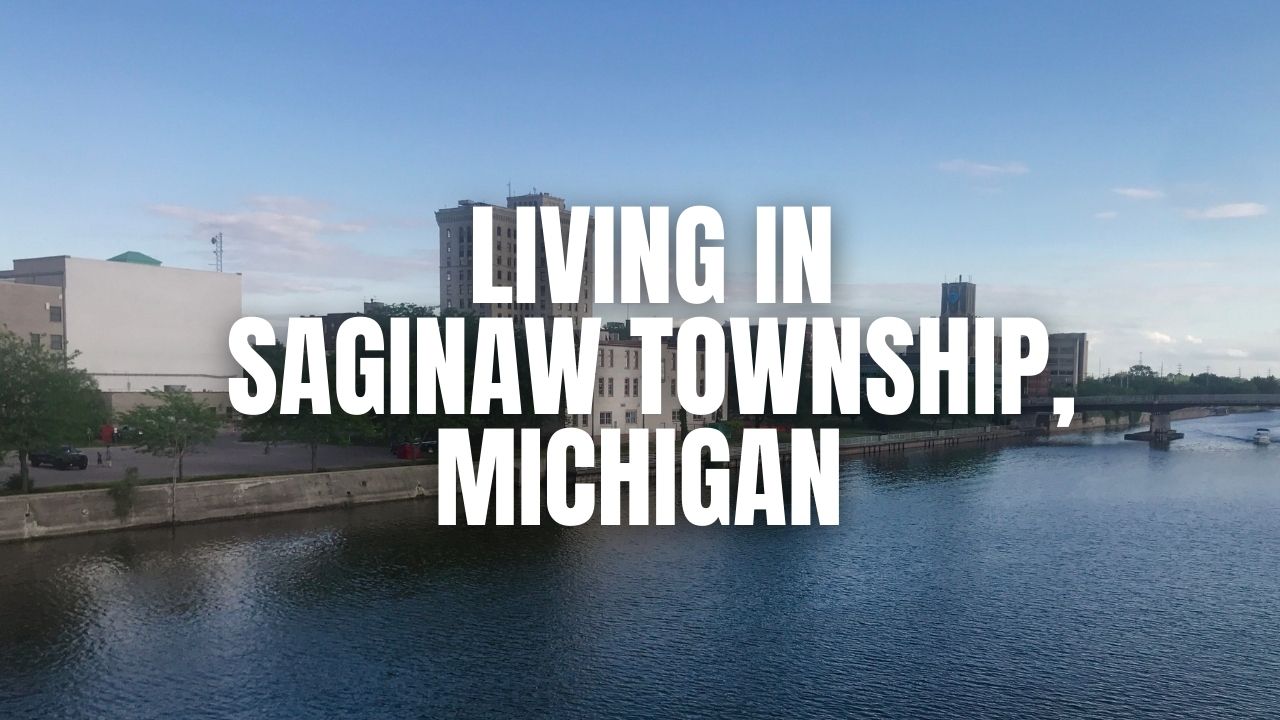
Cost of Living in Saginaw Township, Michigan
Cost of living is often one of the primary considerations when relocating.
According to BestPlaces.net, Saginaw Township’s cost of living index is below the national average. Housing costs are generally lower than Michigan’s more densely populated metro regions.
Based on U.S. Census Bureau data, median home values in Saginaw Township are typically below the statewide median. Niche.com also reports relatively affordable housing compared to many Michigan communities.
Utility and transportation costs in Michigan are tracked regionally by the Bureau of Labor Statistics, which shows Midwest utility and transportation expenses generally aligning with national averages, though individual usage will vary.
Overall, Saginaw Township is often considered competitively priced within the Great Lakes Bay Region.
Real Estate & Housing Overview
Saginaw Township features a mix of mid-century neighborhoods, ranch-style homes, and larger two-story properties built from the 1960s through the early 2000s.
According to U.S. Census Bureau housing data:
A significant portion of homes were built between 1960 and 1990
Owner-occupied housing makes up the majority of residences
Lot sizes tend to be suburban in scale rather than rural acreage
You’ll commonly find:
Brick ranch homes
Split-level properties
Traditional two-story homes
Condominium developments in select areas
New construction exists but is more limited compared to high-growth Southeast Michigan suburbs. Local MLS data shows steady turnover without extreme volatility.
As always, market conditions shift based on interest rates, inventory levels, and regional demand.



A Neighborhood Lifestyle Just Minutes From Downtown Mason …
Discover 422 Coventry Lane in Mason, Michigan,…
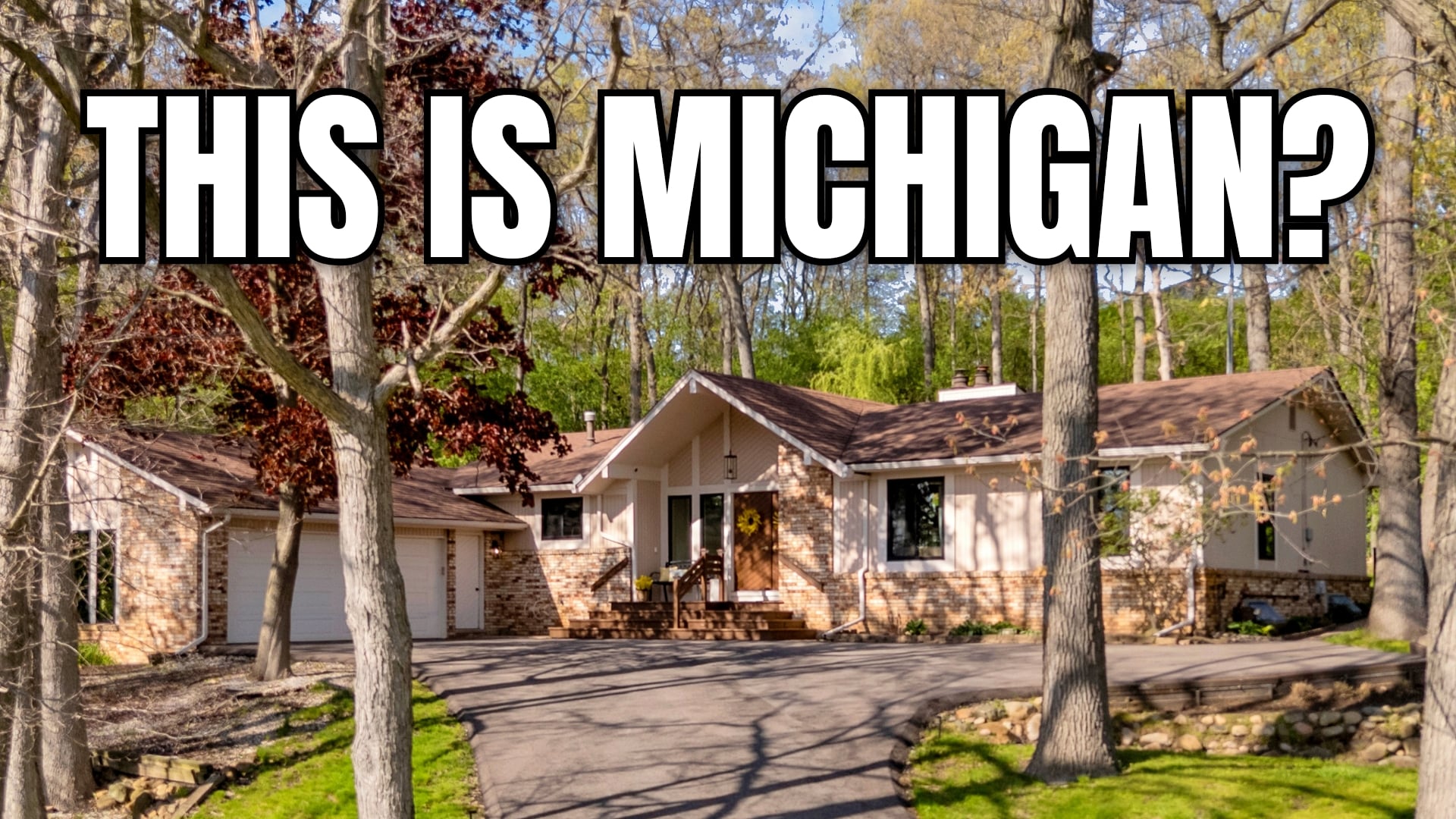
Inside One of Clarkston Michigan’s Most Relaxing Homes …
Tour 6692 Balmoral Terrace, a fully remodeled…
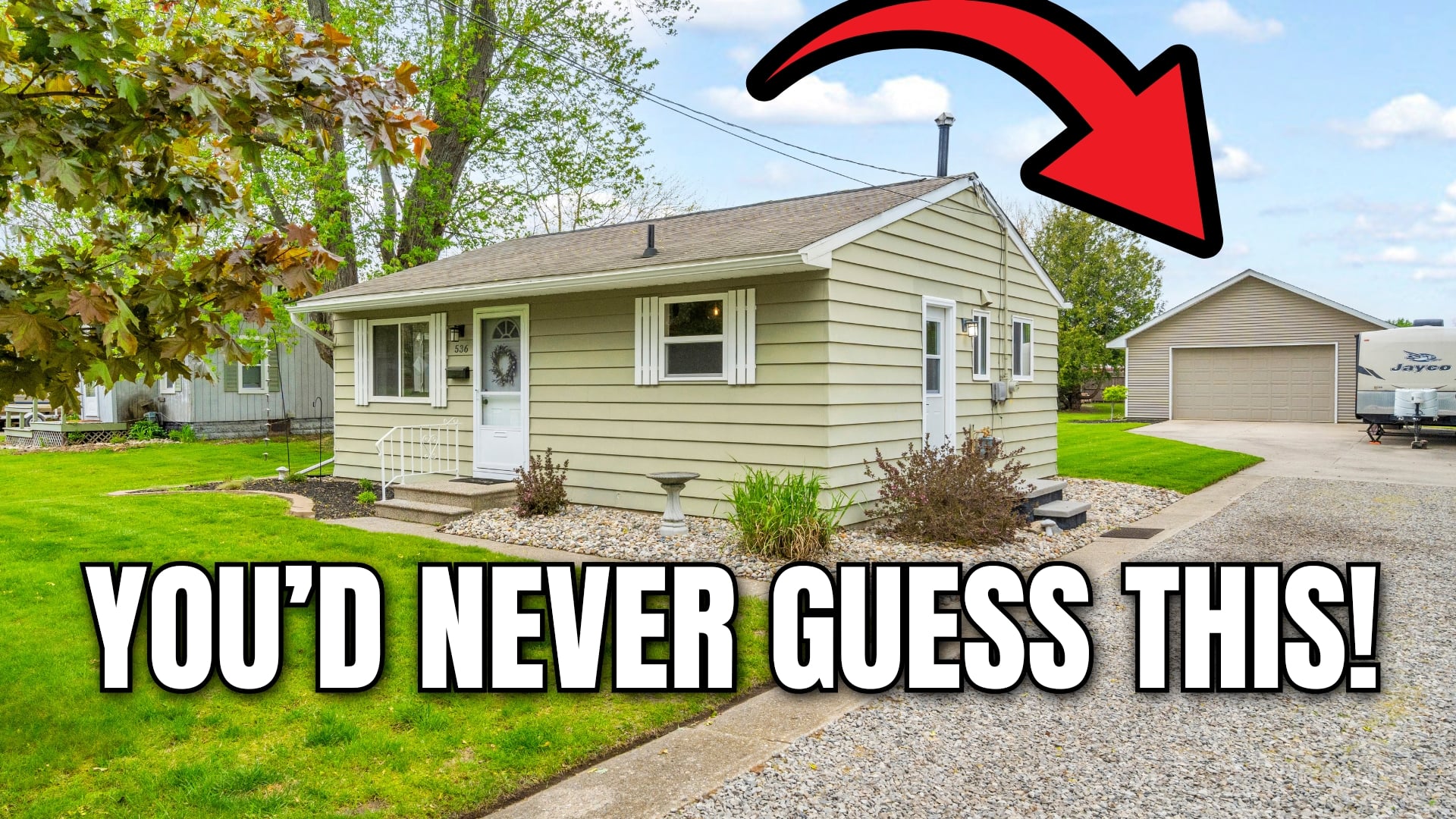
Cozy Living Near Downtown Fenton, Michigan | 536 …
Cozy, low-maintenance living just minutes from downtown…