
If you’re thinking about selling a home in Michigan, one of the most important questions you can ask is this:
How long will it actually take?
And the honest answer is nuanced.
As of early 2026, the average home in Michigan typically takes between 15 and 30 days to go under contract, according to regional MLS systems including Realcomp and MiRealSource, along with reports from the Michigan Realtors.
But that number alone doesn’t tell the full story.
Some homes are selling in 3–7 days with multiple offers. Others are sitting for 45, 60, or even 90+ days.
Understanding why that gap exists is what separates smooth sales from frustrating ones.
Why Some Michigan Homes Sell in Days — and Others Don’t
Michigan’s housing market is not one uniform experience.
Inventory across much of the state currently sits around 2.5 to 3 months of supply, compared to a balanced market benchmark of 5–6 months (Michigan Realtors market reports).
That means demand still exceeds supply in many regions.
However, buyers in 2026 are:
- More payment-conscious
- More inspection-aware
- Less likely to waive contingencies
- More sensitive to property taxes and insurance
The biggest factor affecting timeline right now is not demand — it’s pricing alignment.
Homes priced correctly from day one typically attract showings quickly.
Homes priced even slightly above market value lose early momentum.

The Role of Location in Michigan Sale Timelines
Geography matters — but not in the simplistic “good vs bad area” way.
Sale speed often depends on:
- Proximity to employment centers like Detroit, Ann Arbor, Grand Rapids
- School district reputation
- Commute convenience
- Local inventory competition
For example:
- High-demand commuter suburbs in Oakland County or Washtenaw County often move faster.
- More rural markets may take longer due to smaller buyer pools.
Two homes with similar square footage can experience very different timelines depending on local demand dynamics.

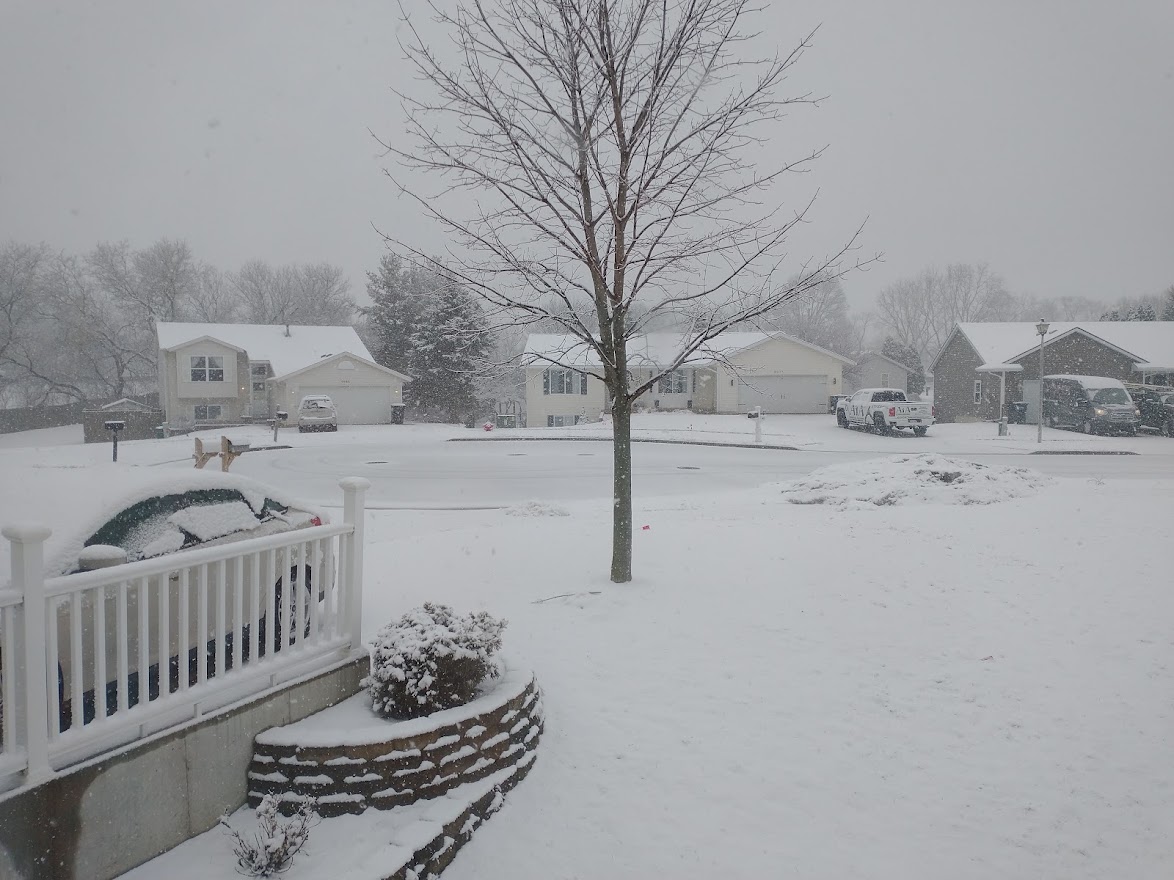
Seasonality in Michigan Real Estate
Michigan has a strong seasonal housing pattern.
Historically:
- Spring and early summer bring the highest buyer activity
- Fall slows slightly
- Winter sees fewer buyers but less competition
According to historical sales data and U.S. Census housing reports, homes listed between March and June tend to move faster due to higher buyer traffic.
However, winter listings can succeed when priced strategically because they face less competition.
Season affects pace — not whether a home will sell.
Interest Rates and Buyer Behavior in 2026
Mortgage rates have reshaped buyer psychology more than inventory levels.
A $350,000 home at 3% feels very different than the same home at 6.5%.
According to national affordability metrics and the Federal Housing Finance Agency, payment sensitivity has increased significantly since 2022.
In Michigan, where property taxes vary widely by municipality, buyers now analyze:
- Total monthly payment
- Tax burden
- Insurance
- Utility cost
- Maintenance risk
Homes that present strong overall value sell faster.
Homes that feel financially stretched take longer.
New Construction vs. Existing Homes
Builders across Michigan are offering incentives like:
- Rate buydowns
- Closing cost assistance
- Appliance packages
Existing homes must compete with these offerings.
Older homes, especially those built before 1980 (which represents a large portion of Michigan’s housing stock per Census data), may require:
- Updated pricing
- Strategic staging
- Inspection readiness
Condition alignment matters more in 2026 than urgency.

What Sellers Should Focus on Right Now
In today’s Michigan market, sellers should prioritize:
- Accurate pricing based on recent comparable sales
- Professional photography and online presentation
- Understanding local property tax implications
- Realistic timeline expectations
Selling is no longer about timing a frenzy.
It’s about strategic positioning.
If you’re considering selling, you can find a detailed breakdown of pricing strategy and seller preparation here:
https://livinginmichigan.com/sell/
:max_bytes(150000):strip_icc()/living-room-ideas-5194639-hero-a99a77f61b9b4e368c62ca603ab45322.jpg)
Is Michigan’s Housing Market Slowing Down?
Michigan is not experiencing collapse conditions.
According to Michigan Realtors reports:
- Inventory remains constrained
- Sales volume has normalized
- Days on market have increased modestly compared to 2021–2022 extremes
This is a stabilization phase, not a crash.
Homes are still selling — but strategy matters more than speed.
2026 Outlook: What Sellers Can Expect
Most housing forecasts using state-level data suggest:
- Modest price stabilization
- Slight DOM normalization
- Continued inventory constraints
Michigan is transitioning into a more balanced environment.
Fast sales still happen — but they are earned, not automatic.

Frequently Asked Questions About Selling a Home in Michigan
How long does it take to sell a house in Michigan in 2026?
Most homes go under contract within 15–30 days based on Michigan MLS averages. Full closing typically adds another 30–45 days.
What is the average days on market in Michigan?
Statewide averages range between 20–30 days depending on season and region, according to Michigan Realtors market data.
Why is my Michigan home not selling?
Common reasons include:
- Overpricing relative to recent sales
- Poor online presentation
- Condition concerns
- High property tax perception
- Competing new construction incentives
Do homes sell faster in spring in Michigan?
Yes. Historically, spring and early summer generate more showings and faster offers due to higher buyer activity.
Should I wait to sell my home in Michigan?
Waiting only improves outcome if:
- Market demand meaningfully increases
- Your property condition improves
- Pricing strategy changes
Time alone does not fix misalignment.
Do interest rates affect how fast homes sell?
Yes. Higher mortgage rates increase monthly payments, making buyers more selective and pricing-sensitive.
How long does closing take after an accepted offer in Michigan?
Most closings occur within 30–45 days depending on financing and inspection timelines.
Are property taxes slowing down Michigan home sales?
In some municipalities, yes. Buyers closely evaluate property taxes using data from the Michigan Department of Treasury, especially in higher millage cities.
Is it still a seller’s market in Michigan?
In many regions, yes — but it is a strategic seller’s market, not a frenzy-driven one.
Will Michigan home prices drop in 2026?
Most forecasts suggest moderation and stabilization rather than significant decline, due to limited inventory and steady demand.
Living In Michigan Links
Seller Resources:
https://livinginmichigan.com/sell/
74-Page Living in Michigan Guide:
https://livinginmichigan.com/#buyer-guide
Conclusion
Selling a home in Michigan right now isn’t about rushing.
It’s about understanding your specific market, pricing accurately, and aligning with today’s buyer expectations.
If you’re considering selling — whether in 30 days or 3 years — start with clarity.
You can explore seller strategy here:
https://livinginmichigan.com/sell/
And if you want a full breakdown of Michigan housing, taxes, lifestyle, and relocation dynamics, download the 74-page Living in Michigan Guide here:
https://livinginmichigan.com/#buyer-guide
If you want personalized guidance based on your home and location, reach out. I help people move to, from, and within Michigan every single week.




Living in Pleasant Ridge Michigan: The Tiny City …
Discover what makes Pleasant Ridge, Michigan unique,…

Living in Utica Michigan: What You Need to …
Discover what it's like living in Utica,…

Living in Rose, Springfield & Tyrone Townships Michigan: …
Discover what it’s like living in Rose,…