Before You Move to St. Clair, Michigan: The Stuff Locals Wish You Knew

Introduction

Before you move to St. Clair, Michigan, there are a few things locals would probably tell you — and most of them revolve around the river.

St. Clair sits along the St. Clair River in St. Clair County and is known for its waterfront parks, historic downtown, and steady stream of passing freighters. People are often drawn here for the views, the walkability near downtown, and the quieter pace compared to larger Metro Detroit communities.

That said, every city has trade-offs. Let’s break down what you should know about housing, schools, property taxes, commute patterns, and lifestyle before making the move.
Search For All Homes For Sale
See My Home's Current Value

Where Is St. Clair, Michigan Located?

St. Clair is located in eastern Michigan along the St. Clair River, north of Marine City and south of Port Huron. According to the U.S. Census Bureau, the city has a population of approximately 5,400 residents.

Geographically, St. Clair sits:

  • About 10 miles south of Port Huron

  • Roughly 55–60 miles northeast of Detroit

  • Directly across the river from Ontario, Canada

Interstate 94 is accessible within a short drive, connecting residents to Port Huron and Metro Detroit. According to the Michigan Department of Transportation, I-94 serves as a primary regional corridor in this area.

Its location makes it appealing to those who want riverfront scenery while staying within commuting distance of larger employment centers.

Cost of Living in St. Clair, Michigan

St. Clair’s cost of living is generally in line with other small riverfront communities in Southeast Michigan.

According to U.S. Census Bureau data, the median home value in St. Clair is typically higher than some neighboring inland communities, largely due to its waterfront location.

Niche.com notes that housing costs reflect the desirability of river proximity, while overall living expenses remain close to Michigan averages.

BestPlaces.net reports that St. Clair’s cost of living index is near the national average.

Utilities and transportation costs generally follow statewide trends, based on Midwest data from the Bureau of Labor Statistics.

Actual expenses will vary depending on property type, especially for waterfront homes.

Real Estate & Housing Overview

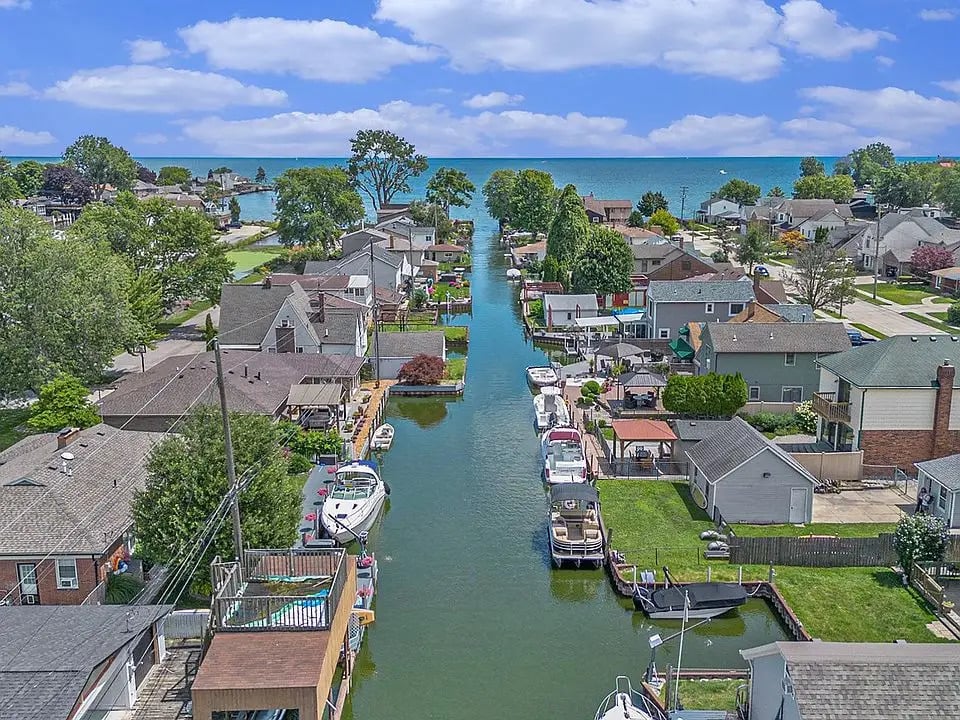
St. Clair’s housing stock includes a mix of historic homes, mid-century builds, and newer custom properties.

According to U.S. Census Bureau housing data:

  • Many homes were built between the 1940s and 1980s

  • Owner-occupied housing represents a large percentage of properties

  • Riverfront properties are limited and typically command premium pricing

Common home styles include:

  • Colonial and traditional two-story homes

  • Ranch-style houses

  • Waterfront custom builds

  • Smaller historic homes near downtown

New construction exists but is limited compared to larger suburban growth corridors.

Local MLS data shows that proximity to the St. Clair River significantly influences property values, while inland neighborhoods tend to offer more moderate price points.
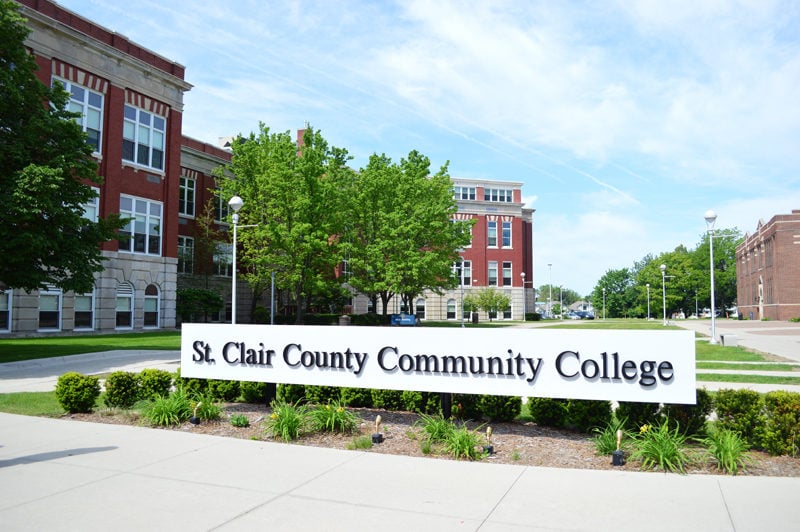
St. Clair, Michigan

Property Taxes in St. Clair

Property taxes in St. Clair follow Michigan’s standard millage rate system.

According to the Michigan Department of Treasury, property taxes are calculated by multiplying taxable value by local millage rates approved by voters.

The City of St. Clair publishes its current millage rates and assessment information on its official website.

Michigan’s Proposal A limits annual taxable value increases unless ownership changes, as outlined by the Michigan Department of Treasury.

Because tax rates vary by property and school district boundaries, confirming current millage rates with the city is recommended before purchasing.

Things to Do & Lifestyle

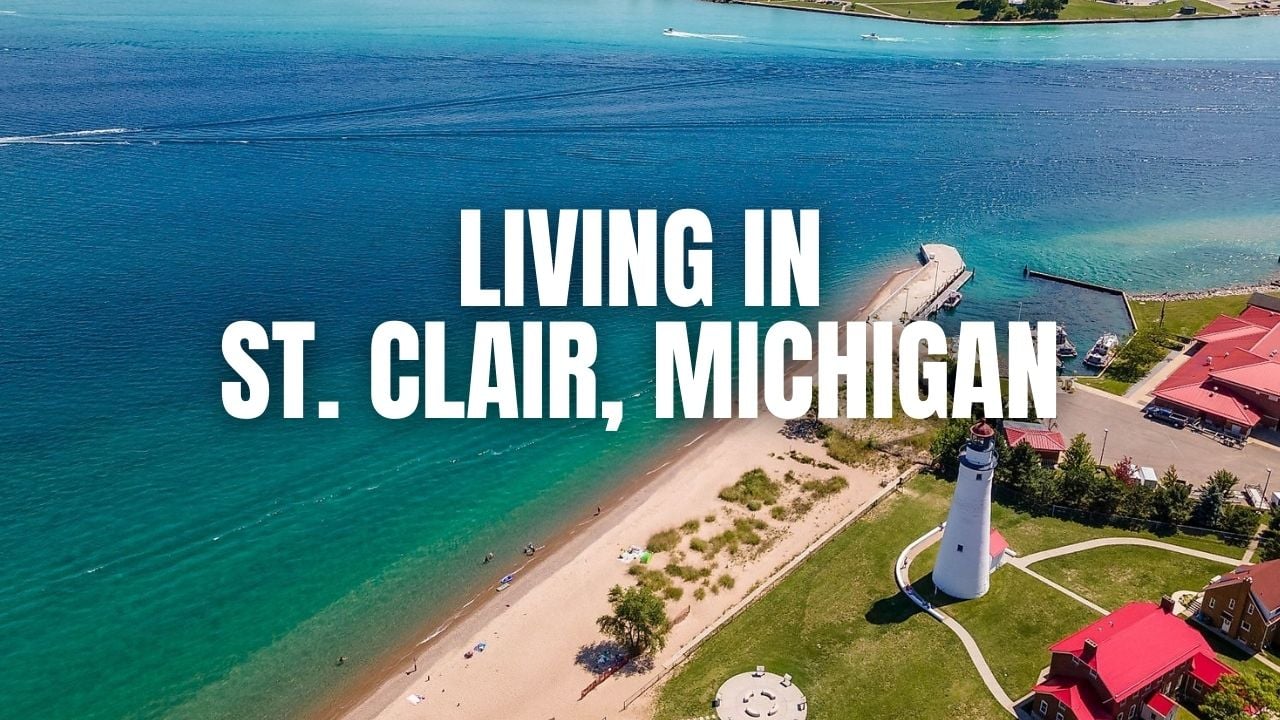
Riverfront living defines much of the St. Clair lifestyle.

The St. Clair Riverwalk and Palmer Park provide scenic walking paths and green space along the water, according to the City of St. Clair Parks Department.

Boat watching is a regular activity, as international freighters travel the St. Clair River shipping channel connecting Lake Huron and Lake St. Clair.

The Michigan Department of Natural Resources highlights boating and fishing opportunities throughout the region.

Downtown St. Clair features restaurants, small shops, and seasonal community events. The city hosts festivals and gatherings throughout the year, as listed on the City of St. Clair’s official website.

While nightlife is limited compared to larger cities, many residents appreciate the relaxed, waterfront-focused atmosphere.

Schools & Education

St. Clair is primarily served by East China School District.

According to GreatSchools.org, the district operates multiple elementary schools, middle schools, and St. Clair High School. Ratings vary by campus and are based on test scores, equity data, and student progress metrics.

Niche.com provides additional insights into district performance and community reviews.

As with any area, reviewing current data and visiting schools can provide a clearer understanding of available options.

St. Clair, Michigan school

Pros & Cons of Living in St. Clair

Pros:

  • Direct access to the St. Clair River (City of St. Clair)

  • Walkable waterfront parks and boardwalk areas

  • Established residential neighborhoods (U.S. Census Bureau)

  • Proximity to Port Huron and I-94 access

  • Scenic views and boating opportunities (Michigan DNR)

Cons:

  • Limited inventory of riverfront homes

  • Smaller local job market within city limits

  • Limited public transportation options

  • Retail and nightlife options are modest compared to larger metro areas

Frequently Asked Questions About Living in St. Clair, Michigan

Is St. Clair, Michigan a good place to live?

According to Niche.com, St. Clair receives favorable ratings for its waterfront setting and community amenities, though individual preferences vary.

How far is St. Clair from Detroit?

St. Clair is approximately 55–60 miles northeast of Detroit, depending on route and traffic conditions.

Are there waterfront homes in St. Clair?

Yes. Homes along the St. Clair River offer direct waterfront access, though inventory is limited and pricing reflects location.

What school district serves St. Clair?

East China School District serves most of the city, according to GreatSchools.org.

What is the population of St. Clair, Michigan?

The U.S. Census Bureau reports a population of approximately 5,400 residents.

Does St. Clair have a downtown area?

Yes. Downtown St. Clair features restaurants, shops, and seasonal events, according to the City of St. Clair.

Is St. Clair close to Canada?

Yes. The city sits directly across the St. Clair River from Ontario, Canada.

What highways serve St. Clair?

Interstate 94 is accessible nearby and connects the region to Port Huron and Detroit.

Are there parks and trails in St. Clair?

Yes. The city maintains waterfront parks and walking paths, including Palmer Park.

Is boating popular in St. Clair?

Yes. The St. Clair River provides access for boating and fishing, according to the Michigan DNR.

Is the cost of living high in St. Clair?

BestPlaces.net reports that the overall cost of living is near national averages, though waterfront homes may carry higher price points.

To Conclude:

If you're looking to move to, from, or within the state of Michigan in one day or a million, I help people do just that and I love it as a Michigan Realtor. Please reach out anytime for help — I’m happy to be your go-to resource.

Question for you!

If you were moving to St. Clair, would riverfront views be a must-have — or would you prefer a quieter inland neighborhood?

Search For All Homes For Sale
See My Home's Current Value
living in michigan | andrew mcmanamon realtor

Andrew McManamon

Founder of Living In Michigan
Michigan Realtor®
[email protected]
Contact Us
www.LivinginMichigan.com

Check Out the EXCLUSIVE "Living In Michigan" Apparel HERELiving In Michigan apparel

Subscribe to the Living in Michigan Newsletter HEREliving in Michigan newsletter | michigan realtor |andrew mcmanamon realtor | living in michigan

Check out recent articles

Moving to Portage, Michigan? What to Know About …

Moving to Portage, Michigan? What to Know About …

Thinking about moving to Portage, Michigan? This…

Living in Parchment, Michigan: Pros, Cons, Cost of …

Living in Parchment, Michigan: Pros, Cons, Cost of …

Thinking about living in Parchment, Michigan? This…

Thinking About Kalamazoo, Michigan? A practical guide

Thinking About Kalamazoo, Michigan? A practical guide

Thinking about moving to Kalamazoo, Michigan? This…