
Introduction
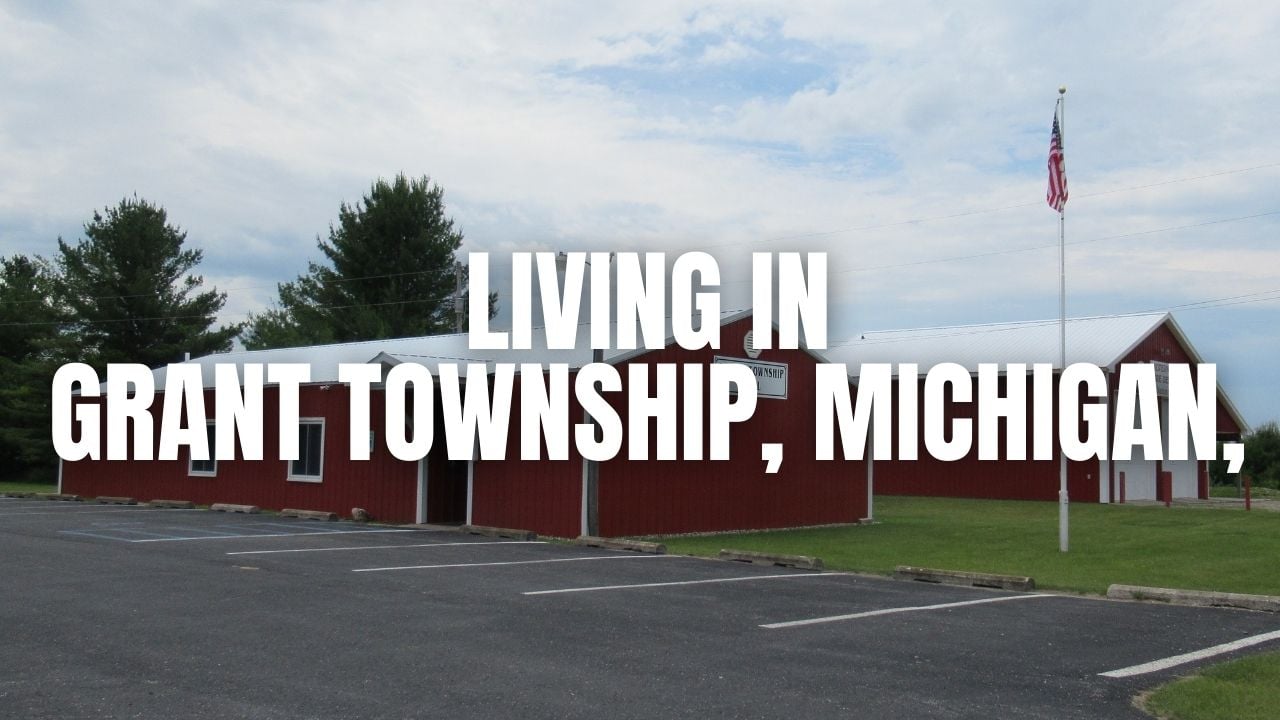
Grant Township, Michigan offers a quieter lifestyle compared to many suburban areas in Southeast Michigan. Located in St. Clair County, this township is known for its open landscapes, agricultural roots, and lower-density housing.
People who consider living here are often looking for space, privacy, and a slower pace of life while still remaining within driving distance of larger communities such as Port Huron or the Detroit metropolitan area.
In this guide, we’ll explore what it’s like to live in Grant Township — including housing options, cost of living, property taxes, schools, and local lifestyle amenities — so you can better understand whether it fits your long-term relocation goals.
Cost of Living in Grant Township, Michigan
Cost of living in Grant Township generally aligns with many rural communities in eastern Michigan.
According to U.S. Census Bureau housing data, home values in rural townships across St. Clair County are often lower than those found in more urbanized Metro Detroit communities.
BestPlaces.net reports that St. Clair County overall has a cost-of-living index slightly below the national average.
Housing costs tend to be the most significant factor in affordability. Properties often include larger parcels of land compared with suburban neighborhoods.
Utilities and transportation costs are generally consistent with statewide averages based on Midwest regional data from the Bureau of Labor Statistics.
As with any location, individual living costs vary depending on home size, commute distance, and lifestyle preferences.
Real Estate & Housing Overview
Housing in Grant Township primarily consists of single-family homes situated on larger lots.
According to U.S. Census Bureau housing age data, many homes in rural St. Clair County were built between the 1970s and early 2000s, although older farmhouses and newer custom builds can also be found.
Common housing characteristics include:
Ranch-style homes
Traditional two-story homes
Farmhouses on acreage
Custom homes on multi-acre parcels
Lot sizes are typically larger than those found in suburban subdivisions.
New construction does occur periodically, though development tends to be slower than in suburban growth corridors.
Local MLS listings show that housing supply in rural townships can vary significantly depending on seasonal market conditions.




A Neighborhood Lifestyle Just Minutes From Downtown Mason …
Discover 422 Coventry Lane in Mason, Michigan,…
Inside One of Clarkston Michigan’s Most Relaxing Homes …
Tour 6692 Balmoral Terrace, a fully remodeled…