
Introduction
If you’re looking for space, quiet surroundings, and a slower pace compared to city living, Kenockee Township, Michigan may catch your attention.
Located in St. Clair County, this rural township offers open land, agricultural landscapes, and residential properties with larger lot sizes than most suburban communities. Some people choose Kenockee Township because they want more space between neighbors while still being within driving distance of Port Huron and the greater Metro Detroit region.
In this guide, we’ll cover what living in Kenockee Township looks like in practical terms — including housing options, cost of living, schools, commuting considerations, and everyday lifestyle.
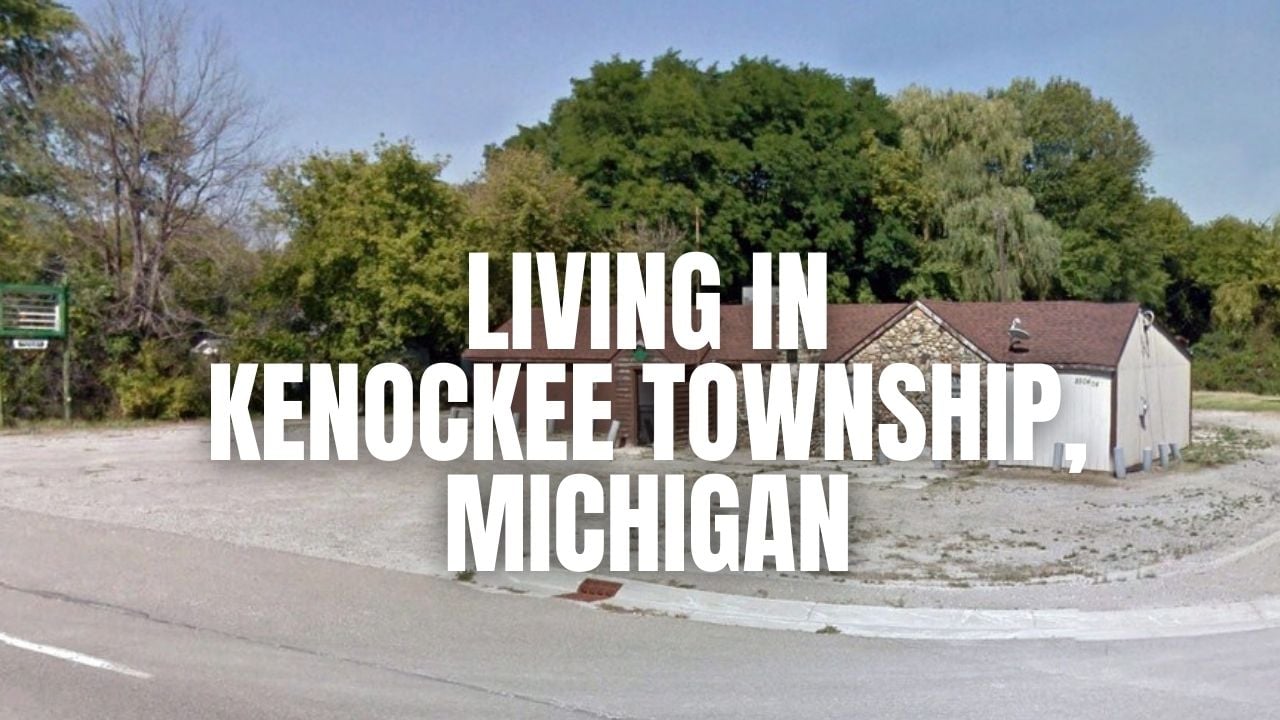
Cost of Living in Kenockee Township, Michigan
The cost of living in Kenockee Township tends to be influenced primarily by housing and transportation.
According to U.S. Census Bureau housing data, property values in rural townships across St. Clair County are typically lower than many suburban areas closer to Detroit. Niche.com also reports that housing costs in the area are generally moderate compared with statewide averages.
BestPlaces.net indicates that overall living costs in rural parts of St. Clair County are typically below the national average.
Utilities and transportation costs tend to align with statewide norms, based on Midwest regional consumer spending data from the Bureau of Labor Statistics.
Because the township is rural, commuting distance and fuel costs may be a larger factor for some households.
Real Estate & Housing Overview
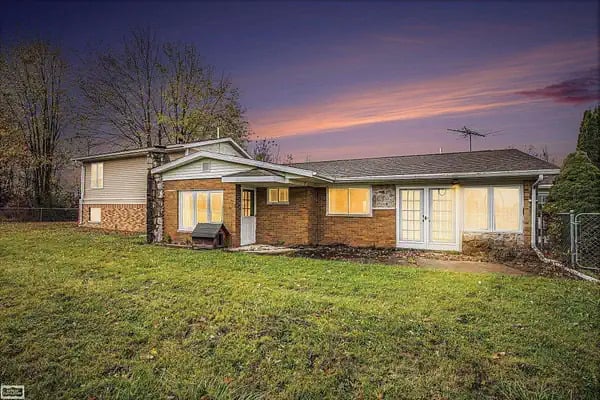
Housing in Kenockee Township is characterized by larger parcels and lower-density development.
According to U.S. Census Bureau housing data:
Many homes were built between the 1970s and early 2000s
Owner-occupied homes make up the majority of housing units
Residential properties often sit on multi-acre parcels
Common housing types include:
Ranch-style homes
Country homes on acreage
Farmhouses and agricultural properties
Custom-built homes on larger lots
New construction does occur periodically, though it is typically limited to individual custom builds rather than large-scale subdivisions.
Local MLS data generally shows lower inventory levels compared with urban markets, which is common for rural townships.




Michigan's FASTEST Growing Towns Are Losing Value (Here's …
Michigan is growing, but home prices are…
The Most Connected Home in Brighton, Michigan | …
6280 Beth Rd, Brighton, MI: move-in-ready 3-bed,…