
Introduction
If your idea of a comfortable place to live involves open space, quiet roads, and rural scenery, Arbela Township, Michigan may be worth exploring.
Located in Tuscola County, Arbela Township offers a slower-paced environment compared to larger Michigan cities. Residents here often value privacy, land availability, and proximity to nearby communities where daily services and employment centers are located.
While the township is primarily rural, its location still provides access to regional roads and nearby towns. In this guide, we’ll walk through what life in Arbela Township looks like—from housing and property taxes to local amenities and schools—so you can better understand whether it fits your relocation goals.
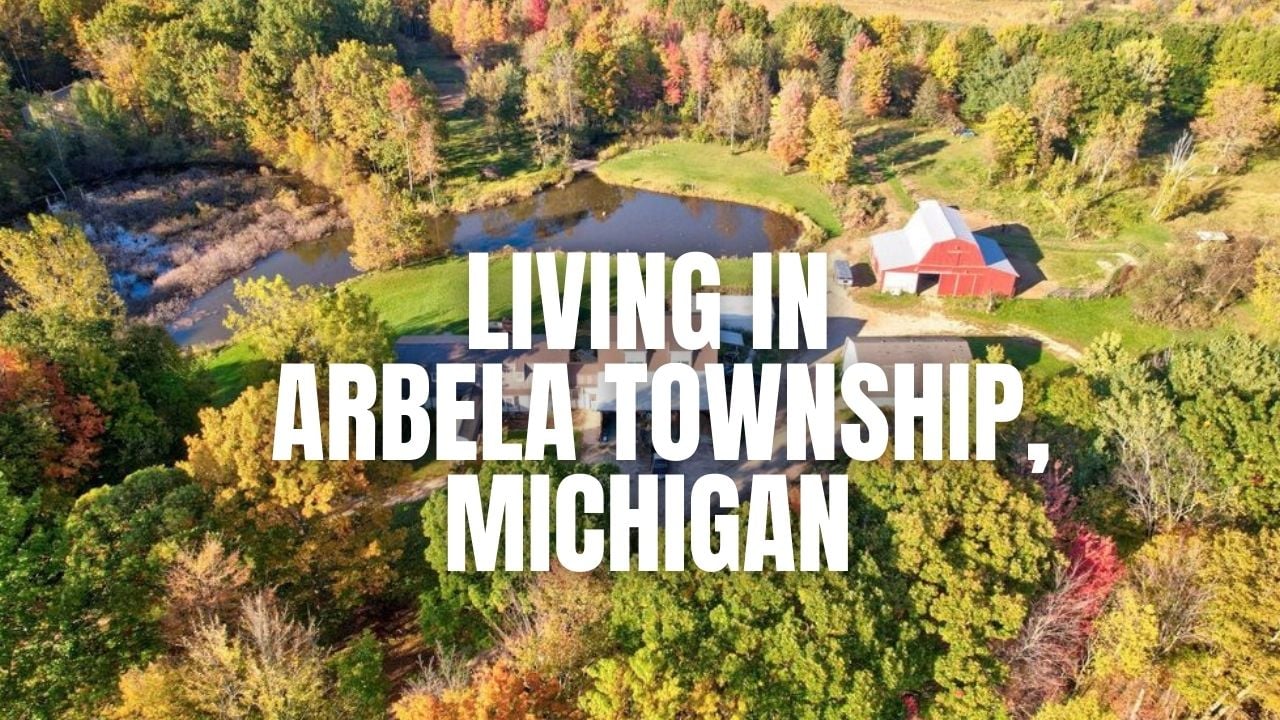
Cost of Living in Arbela Township, Michigan
The cost of living in Arbela Township is generally lower than many urban areas in Michigan.
Housing costs are typically one of the most affordable aspects of living in rural Tuscola County. According to U.S. Census Bureau housing data, home values in many rural townships across the region tend to fall below Michigan’s statewide median.
BestPlaces.net reports that smaller communities in Tuscola County often have a cost-of-living index below the national average.
Utilities and transportation costs tend to align with regional averages for the Midwest, according to the Bureau of Labor Statistics. However, transportation costs may vary depending on commuting distance since most residents rely on personal vehicles.
Overall expenses can vary depending on housing type, land ownership, and travel needs.
Real Estate & Housing Overview
Housing in Arbela Township primarily reflects rural and agricultural development patterns.
According to U.S. Census Bureau housing data:
Many homes were built between the 1950s and 1990s
Owner-occupied properties make up a large portion of housing units
Properties often include larger lots compared to suburban neighborhoods
Common housing types include:
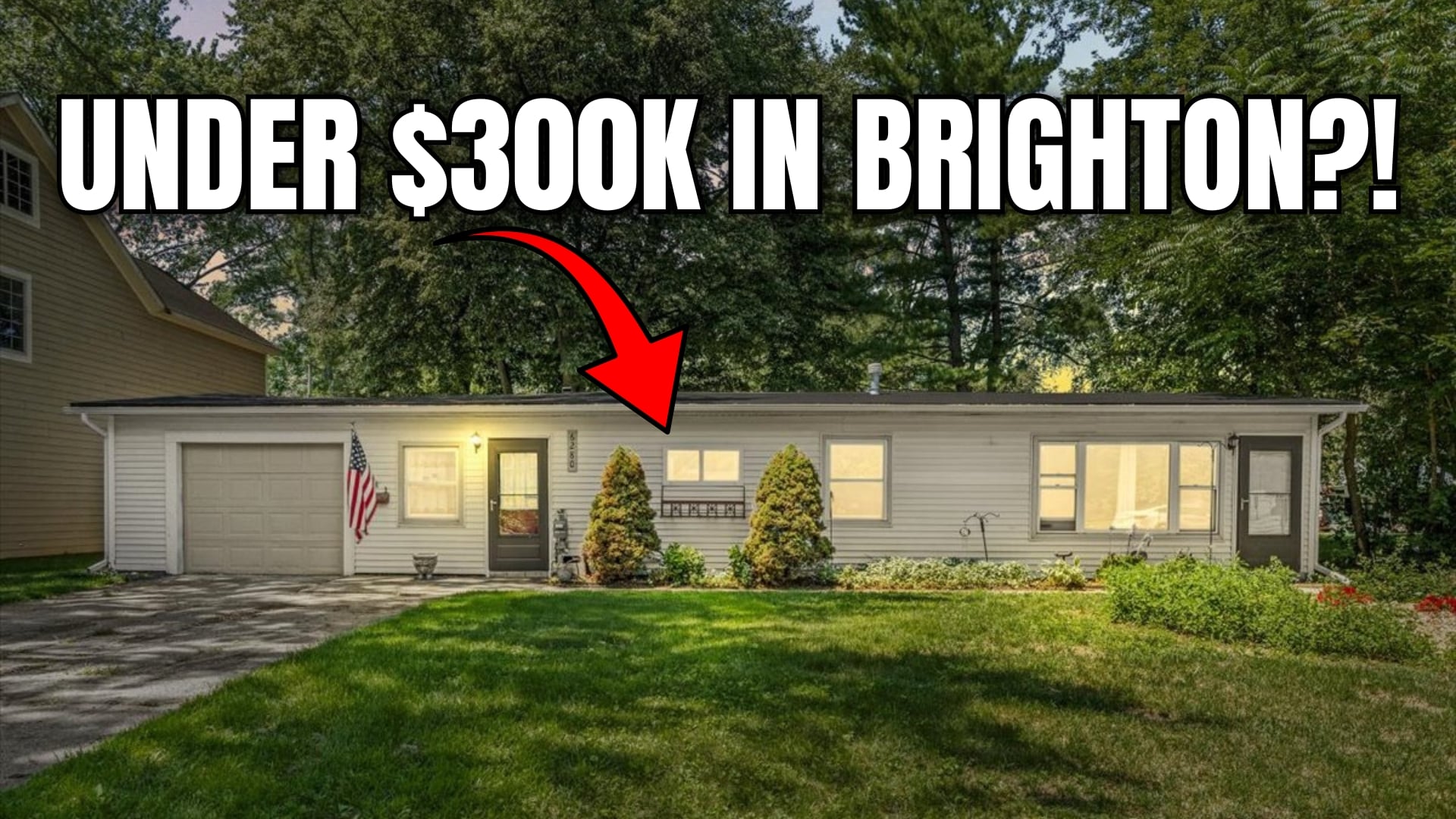
Ranch-style single-family homes
Farmhouses on acreage
Manufactured homes on private property
Rural homesteads with agricultural land
New construction occurs occasionally but at a smaller scale compared to high-growth suburban areas.
Real estate activity in the township generally depends on land availability and regional housing demand. Market conditions and property values are influenced by broader county-level trends, according to local MLS data.




Michigan's FASTEST Growing Towns Are Losing Value (Here's …
Michigan is growing, but home prices are…
The Most Connected Home in Brighton, Michigan | …
6280 Beth Rd, Brighton, MI: move-in-ready 3-bed,…