
Introduction
If you’re exploring communities in Southwest Michigan that combine historic charm with convenient access to larger cities, Niles, Michigan is likely on your radar.
Located in Berrien County along the St. Joseph River, Niles offers a blend of older neighborhoods, parks, and proximity to regional hubs like South Bend, Indiana. Some people consider living here because of the more relaxed pace, while others appreciate the affordability compared to nearby metro areas.
Like any place, Niles has its advantages and trade-offs. This guide walks through what to expect when it comes to housing, cost of living, schools, property taxes, and lifestyle in Niles, Michigan.

Cost of Living in Niles, Michigan
Cost of living in Niles is generally considered affordable compared with many parts of Michigan and nearby Indiana metro areas.
According to U.S. Census Bureau housing data, median home values in Niles are below the statewide median. Niche.com also reports that housing affordability is one of the city’s more attractive aspects.
BestPlaces.net indicates that Niles’ overall cost of living index is below the national average.
Utilities and transportation costs tend to align with regional Midwest averages based on Bureau of Labor Statistics consumer expenditure data.
As with any community, actual expenses depend on factors like housing type, commute distance, and personal lifestyle.
Real Estate & Housing Overview
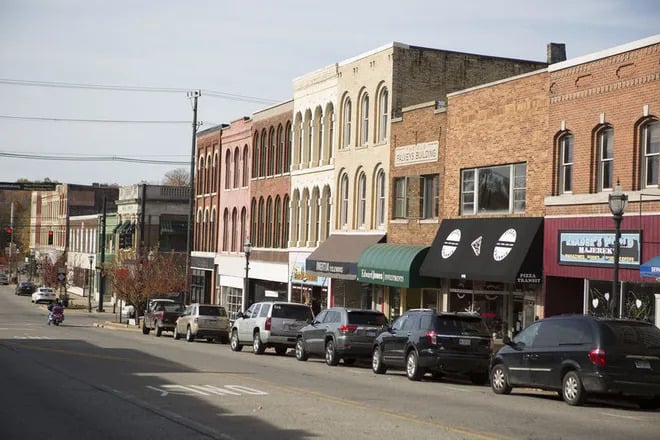
Niles offers a housing market dominated by established homes, with several historic neighborhoods located near the city center.
According to U.S. Census Bureau housing data:
A large share of homes were built before 1970
Owner-occupied housing represents a significant portion of properties
Many neighborhoods feature mature trees and traditional street layouts
Common home styles include:
Historic Victorian and early 20th-century homes
Ranch-style houses from mid-century developments
Two-story traditional homes
Smaller bungalow-style homes near downtown
New construction does occur but is relatively limited compared to fast-growing suburban markets.
Local MLS data shows steady housing activity, with prices influenced by location within the city and overall inventory levels.





Michigan's FASTEST Growing Towns Are Losing Value (Here's …
Michigan is growing, but home prices are…
The Most Connected Home in Brighton, Michigan | …
6280 Beth Rd, Brighton, MI: move-in-ready 3-bed,…