
Introduction
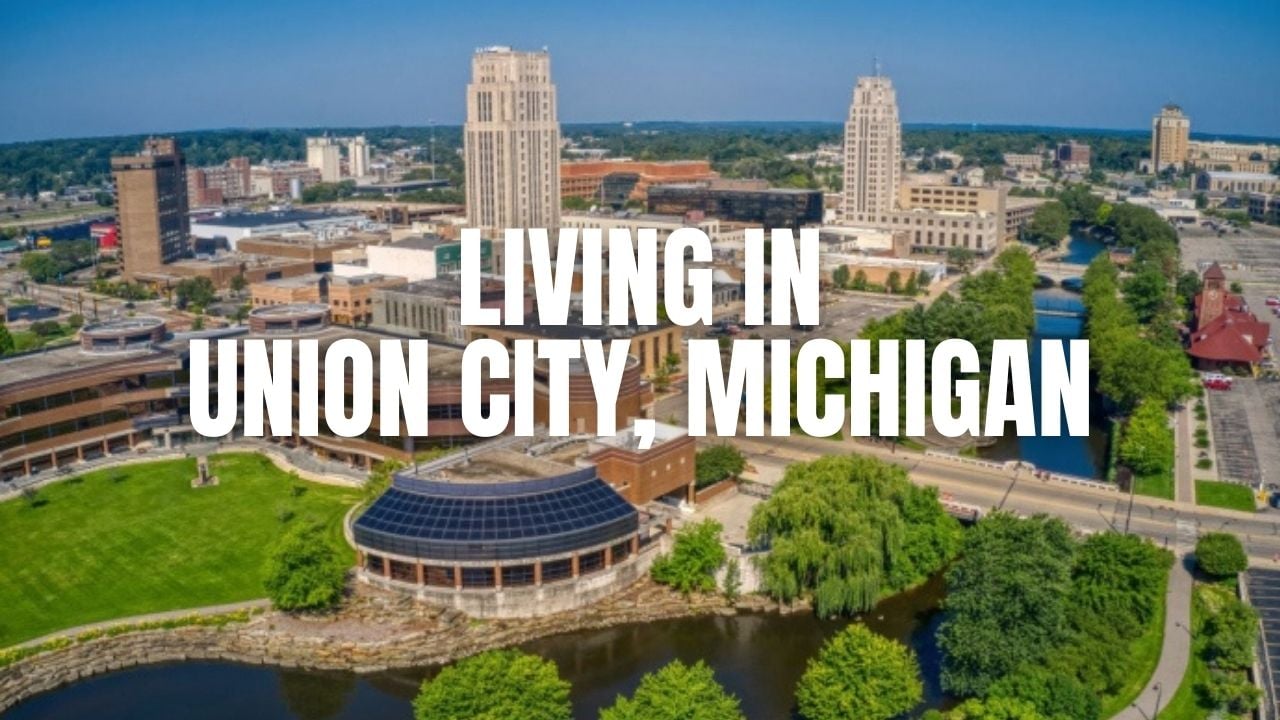
If you’re searching for a quieter place to live in Michigan with a slower pace and rural surroundings, Union City, Michigan might catch your attention.
Located in Branch County in the southern part of the state, Union City is a small village with historic roots, modest housing costs, and easy access to outdoor recreation. People often consider moving here when they want space, small-town living, and proximity to lakes and countryside.
Like any community, Union City comes with its own lifestyle rhythm. In this guide, we’ll walk through what you should realistically know about cost of living, housing, property taxes, schools, and everyday life in Union City.
Cost of Living in Union City, Michigan
Union City generally falls on the more affordable side of Michigan’s cost spectrum.
According to U.S. Census Bureau data, median home values in Union City are well below the statewide median. Niche.com also notes that housing affordability is one of the defining characteristics of the area.
BestPlaces.net reports that overall living costs in smaller Michigan communities like Union City tend to fall below national averages, particularly in housing and property prices.
Utilities and transportation expenses are generally comparable to other rural Michigan communities, based on Midwest regional data from the Bureau of Labor Statistics.
Because daily commuting may require driving longer distances, transportation costs can vary depending on work location.
Real Estate & Housing Overview
Union City’s housing market primarily consists of older homes and traditional village neighborhoods.
Based on U.S. Census Bureau housing data:
Many homes were built before 1970
Owner-occupied housing makes up a significant portion of properties
Lot sizes are often larger than homes in dense suburban areas
Common housing types include:
Traditional two-story homes
Ranch-style houses
Historic homes near the village center
Rural properties on the outskirts of town
New construction in Union City is relatively limited compared to growing suburban markets in Michigan. Housing availability typically reflects the small size of the community.
Local MLS data generally shows stable market activity, with prices influenced by condition, acreage, and proximity to nearby lakes.






Michigan's FASTEST Growing Towns Are Losing Value (Here's …
Michigan is growing, but home prices are…
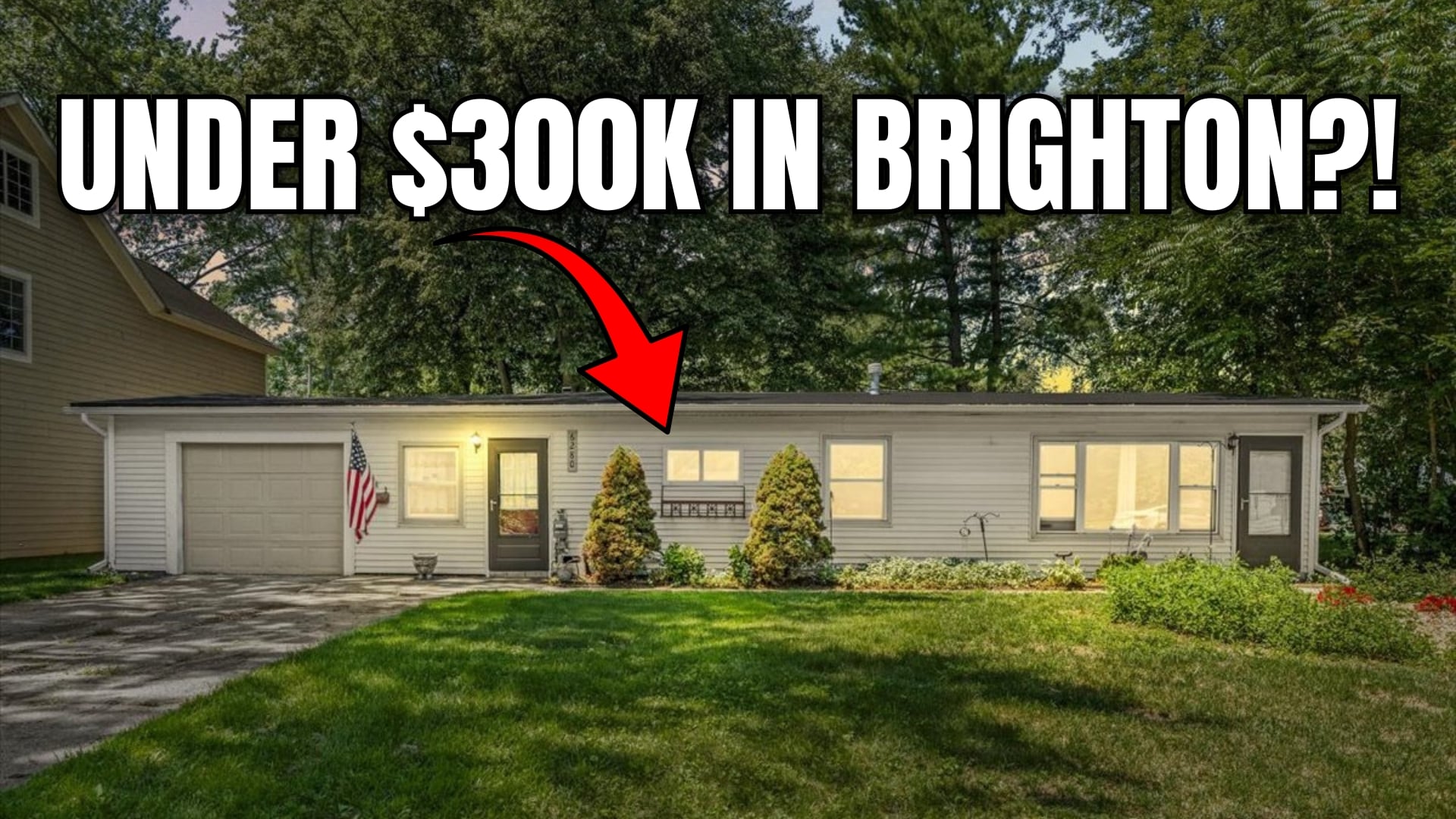
The Most Connected Home in Brighton, Michigan | …
6280 Beth Rd, Brighton, MI: move-in-ready 3-bed,…