Thinking About Kalamazoo, Michigan? A practical guide

introduction

Let's be real — when most people outside of Michigan hear the word "Kalamazoo," they either laugh, assume it's fictional, or start humming that old song. But if you've been doing your homework on places to live in Michigan, you've probably noticed that Kalamazoo keeps showing up on lists you actually care about: most affordable cities, best places to live, most arts-vibrant communities. There's a reason for that.

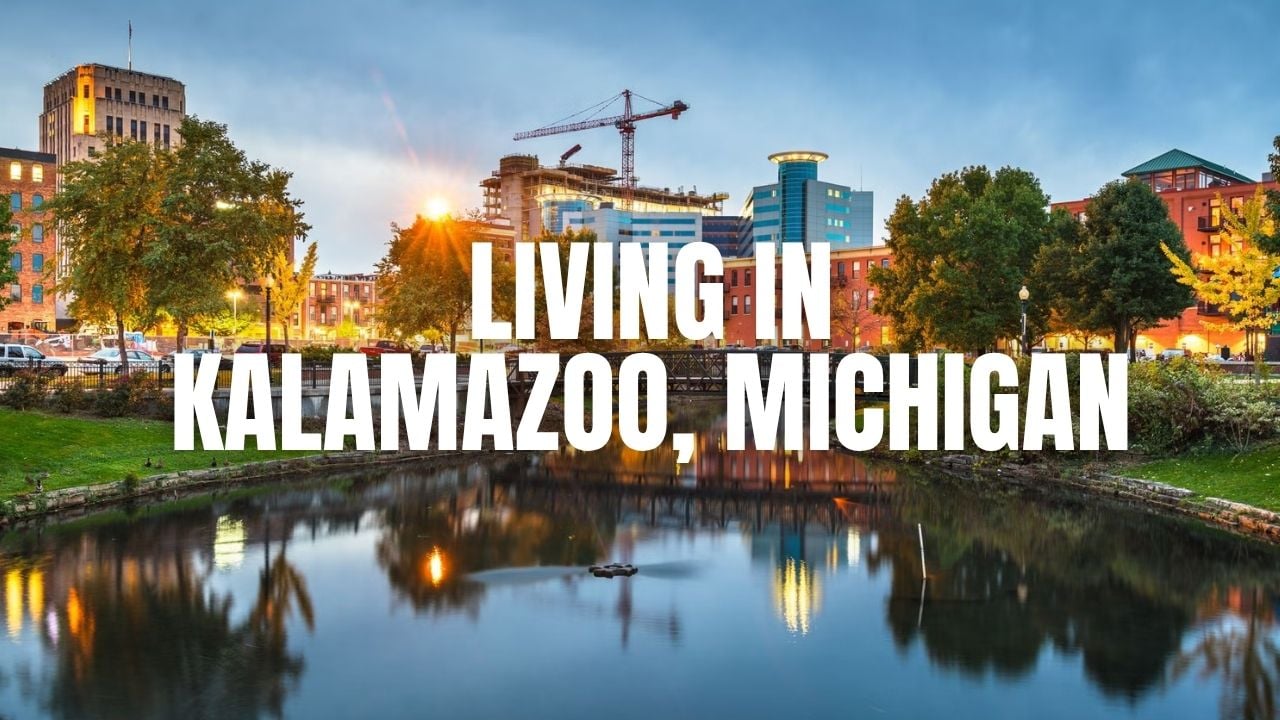
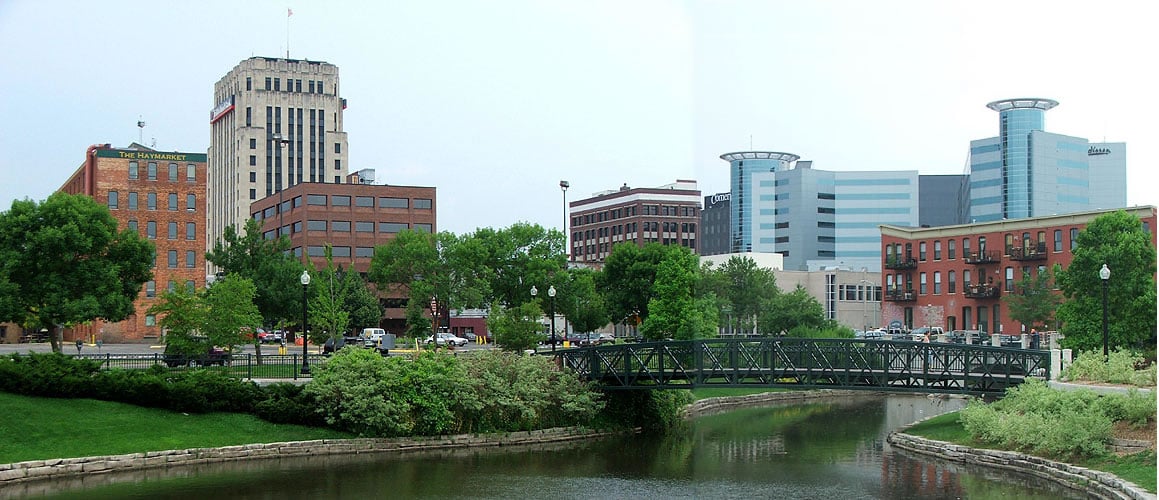
Kalamazoo is the county seat of Kalamazoo County, located in the southwestern part of Michigan's Lower Peninsula. It's a midsized city with a genuine urban energy, a deep history in brewing and industry, two respected universities, and a trail system that would make most cities twice its size jealous. And with a cost of living that consistently ranks well below the national average, it's the kind of place that rewards a closer look.

This guide is designed for anyone researching a move to Kalamazoo, Michigan — whether you're relocating from out of state, moving within Michigan, or just trying to figure out whether the housing market makes sense for your budget.
Search For All Homes For Sale
See My Home's Current Value

Where Is Kalamazoo, Michigan Located?

Kalamazoo sits in Kalamazoo County in southwestern Michigan, and its location is genuinely one of its strongest selling points. According to the official Discover Kalamazoo tourism website, the city is positioned roughly midway between Chicago and Detroit along I-94 — making it about a 2 to 2.5 hour drive from each. Grand Rapids is approximately 50 miles to the north, and Lake Michigan's shoreline (think South Haven and Saugatuck beaches) is roughly 45 minutes to the west, according to Wikipedia's entry on Kalamazoo.

From a highway standpoint, Kalamazoo is very well connected. According to Wikipedia, the city is served by I-94, US-131, M-96, and M-343. US-131 intersects I-94 in Kalamazoo and provides a direct artery north to Grand Rapids and south toward the Indiana state line — useful for anyone who commutes or travels frequently. The Kalamazoo/Battle Creek International Airport (AZO) adds another layer of connectivity for those who travel by air.

The city itself covers just over 25 square miles and sits on the southwest bank of the Kalamazoo River. Its suburban population extends primarily south into the city of Portage and west into Oshtemo and Texas Townships. If you're considering Kalamazoo County more broadly — not just the city itself — you'll find a mix of urban, suburban, and rural options within easy reach of downtown amenities.

Cost of Living in Kalamazoo, Michigan

One of the most frequently cited reasons people look into living in Kalamazoo, Michigan is the cost of living. According to BestPlaces.net, Kalamazoo receives a Cost of Living score of 87.7, meaning total living costs — including housing, food, childcare, transportation, and healthcare — are approximately 12.3% lower than the U.S. average. For context, Michigan as a whole scores 91.5, meaning Kalamazoo is actually more affordable than the average Michigan community as well.

According to data from Redfin, the overall cost of living in Kalamazoo is roughly 15% lower than the national average, with housing being the most significant driver. PayScale's cost of living data for Kalamazoo shows that housing expenses run approximately 37% below the national average, utilities are about 3% lower, and healthcare is approximately 13% below the national average. Groceries and transportation also trend slightly lower than the U.S. norm.

For those moving from higher-cost metros — whether that's Chicago, Detroit's inner suburbs, or somewhere out of state — Kalamazoo can represent meaningful financial breathing room. Your dollar simply goes further here, which is part of why MakeMyMove recognized Kalamazoo as one of the 12 most affordable places to live in the U.S. in 2025.

Real Estate & Housing Overview in Kalamazoo, Michigan

Housing Market Overview in Kalamazoo

The housing market in Kalamazoo, Michigan has characteristics that make it an interesting environment for both buyers and those evaluating long-term ownership. According to Redfin, the market is described as "somewhat competitive," with homes generally selling in the range of three to four weeks on average. Inventory can vary seasonally, with spring and early summer typically seeing more listings and faster movement than the fall and winter months.

Per Zillow, the average home value in Kalamazoo has risen approximately 3.9% over the past year, reflecting continued demand relative to available supply. The market tends to have pockets of higher competition in lower and mid-range price points, where demand typically outpaces available inventory. That said, buyers willing to look beyond peak season or be patient with their search can often find more negotiating room than the headline data suggests.

Types of Homes in Kalamazoo

Homes in Kalamazoo, MI reflect the character of a city with both historic roots and ongoing development. The city's older neighborhoods — particularly around the Stuart Neighborhood and other central areas near the universities — feature classic Craftsman bungalows, Dutch Colonials, and early 20th-century two-story homes with mature lot character. These properties often come with generous lot sizes relative to their price points.

Further out from the city core and into the broader Kalamazoo County area, you'll find ranch-style homes from the mid-century era, colonial-style single-family homes, newer construction subdivisions, condominiums, and townhomes. Portage, which borders Kalamazoo to the south, is particularly well-known for newer developments and more suburban-style housing stock. Waterfront properties exist throughout the county given its 83 lakes with public access.

Price Range & Affordability

Homes in Kalamazoo, Michigan generally fall into a below-national-average price range that many buyers from larger metro areas find refreshingly accessible. According to Zillow, the average home value in Kalamazoo is approximately $223,841, while Redfin reports a median sale price in the range of $177,000 to $235,000 depending on the timeframe and data set used. Redfin notes that Kalamazoo's median sale price is roughly 60% lower than the national average.

Entry-level properties — smaller homes, older stock, or homes in need of updating — can often be found well below $150,000 within city limits. Updated, move-in-ready homes in desirable neighborhoods tend to occupy the $200,000–$300,000 range. Larger, newer construction or homes in higher-demand suburban areas like Portage may command values above $300,000. For current listings and up-to-date pricing, reviewing active inventory on Realtor.com, Redfin, Zillow, or Trulia will give you the most current picture.

Market Segments & Buyer Activity

The Kalamazoo housing market sees demand across a range of price segments. Entry-level housing demand remains relatively strong, particularly in the sub-$200,000 range, where competition among buyers can be meaningful. Move-up housing demand — properties in the $250,000–$400,000 range — is also active, particularly in Portage and the more suburban areas of the county.

New construction interest exists but is somewhat limited within city limits due to the established nature of most neighborhoods; development activity tends to push into surrounding townships. Smaller condominiums and low-maintenance housing options are available throughout the area, providing alternatives for those not looking for single-family maintenance responsibilities. According to Redfin data, a meaningful percentage of homes in the area sell within 30 days, particularly in the more competitive price bands.

New Construction & Development Trends

The city of Kalamazoo itself is largely built out, with redevelopment and infill projects being more common than greenfield construction within city limits. New subdivision development tends to occur in the surrounding townships — particularly Texas Township, Comstock Township, and parts of Portage — where land availability supports new-build activity.

Downtown Kalamazoo has seen ongoing investment in mixed-use development, including residential above retail, which has added some new housing units to the urban core. For buyers specifically seeking new construction, focusing the search on the broader Kalamazoo County area rather than city limits will open up more options.

What It's Like to Own a Home in Kalamazoo

Owning a home in Kalamazoo, Michigan comes with the standard responsibilities of Midwest homeownership — including weather-related upkeep (roof, gutters, windows, and heating systems matter here given the winters), lawn and property maintenance, and for some neighborhoods, coordination with neighborhood associations.

Lot sizes vary meaningfully depending on location — older city neighborhoods often have modest lots with mature tree cover, while suburban township areas typically offer larger lot sizes. HOA presence is more common in newer developments and condo communities than in the city's established single-family neighborhoods. Overall, the ownership experience in Kalamazoo is characteristic of a midsized Midwest city: manageable costs, genuine community feel in most neighborhoods, and a housing stock that rewards buyers who do their due diligence on individual properties.

If you're considering a move to Kalamazoo and want to better understand how the housing market fits your budget and goals, reviewing current listings on Realtor.com, Redfin, Zillow, or Trulia — and running property-specific numbers — can help you make a more informed decision.
Kalamazoo

Property Taxes in Kalamazoo, Michigan

Property taxes in Kalamazoo — and throughout Michigan — are based on a millage system. One mill equals $1 for every $1,000 of taxable value.

Michigan operates under Proposal A (passed in 1994), which is one of the most important things to understand if you're buying a home here. This law caps how much your taxable value can increase each year, typically at the rate of inflation. In simple terms, this protects long-term homeowners from dramatic spikes in property taxes — even if home values rise significantly.

However, there's one key moment where this changes.

What Happens When You Buy a Home?

When a property transfers ownership, the taxable value typically "uncaps" the following year and resets closer to the home's current market value. This means your property taxes may be significantly higher than what the current owner is paying. That's why it's critical to estimate your taxes before you buy.

How to Estimate Property Taxes in Kalamazoo

The State of Michigan provides a free estimator at michigan.gov/taxes/property/estimator.

To get a realistic high-end estimate, follow this method:

  • Select: County / City/Township/Village / School District
  • For State Equalized Value (SEV): Use approximately 50% of the home's list price (this simulates the post-sale taxable value after uncapping)
  • This will give you a strong estimate of your future property taxes

Pro Tip:

  • Look at a current listing's SEV for a lower estimate
  • Use the 50% rule for a higher estimate
  • Plan for the worst, hope for the best

Want to Calculate It Manually?

You can estimate property taxes using this formula:

(Taxable Value × Millage Rate) ÷ 1,000 = Annual Property Taxes

Example: $200,000 taxable value / 40 mills → ($200,000 × 40) ÷ 1,000 = $8,000/year

Per the Michigan Department of Treasury, millage rates in Kalamazoo County vary by city, township, village, and school district. Property tax rates in Kalamazoo County generally rest on the lower end for Michigan, though with 16 townships there is meaningful variation by municipality. To look up specific millage rates, visit the Michigan Department of Treasury's Millage Rates page for current figures.

Important Disclaimers About the Estimator:

  • Millage rates are based on those levied and billed in the prior year
  • Rates include the 1% property tax administration fee
  • Rates include special assessments levied on a millage basis applied across entire townships, cities, or villages
  • Rates may include certain police, fire, or emergency service millages applied broadly across a township
  • Rates do not include all special assessments, which may vary by property
  • In some areas, community college millages vary depending on exact property location
  • Some properties transferred between school districts may have split millages not fully represented

Bottom Line

Property taxes in Kalamazoo can vary significantly depending on the exact location, school district, and timing of ownership transfer. Understanding Michigan's uncapping rule is one of the most important steps in accurately budgeting for a home here. If you're unsure how this applies to a specific property, it's always worth running the numbers ahead of time — or reaching out for guidance.

Things to Do & Lifestyle in Kalamazoo, Michigan

Kalamazoo has a lifestyle that punches well above its weight class for a city of roughly 73,000 people. The combination of two major universities (Western Michigan University and Kalamazoo College) and a deep local brewing culture gives the city an energy that's more dynamic than many similarly sized Midwest metros.

Outdoors & Trails

According to the official Kalamazoo County Parks website, the county features six county parks offering camping, swimming beaches, fishing, mountain biking, and disc golf. The Kalamazoo River Valley Trail currently spans 22 miles of trail and connects communities throughout the area, per the Parks Foundation Kalamazoo. Al Sabo Land Preserve in Texas Township offers over 25 miles of trails through marshes, forest, and rolling hills — making it one of the most popular outdoor destinations in the county according to AllTrails. Fort Custer Recreation Area, accessible from Kalamazoo, provides 22 miles of hiking, biking, and equestrian trails along with camping and water access, per the official Discover Kalamazoo site.

Lake Michigan beach access is approximately 45 minutes west — South Haven, Saugatuck, and St. Joseph are all within easy reach for warm-weather escapes. Closer to home, Kalamazoo County has 83 lakes with public access, according to the Discover Kalamazoo website, meaning water recreation options are plentiful without leaving the county.

Downtown & Culture

Downtown Kalamazoo is anchored by the historic Burdick Street pedestrian mall — named one of the "10 Streets That Changed America" by U.S. News and World Report, per the Discover Kalamazoo website. The Kalamazoo Art Fair, held annually in June, is the second oldest community art fair in America and draws tens of thousands of visitors, according to the Western Michigan University Medical School's community profile. According to Discover Kalamazoo, the Kalamazoo-Portage community ranked #31 of the Top 100 Most Arts-Vibrant Communities in the United States in 2025.

Bell's Brewery — one of Michigan's most celebrated craft breweries, established in 1985 — calls Kalamazoo home. The city's Eccentric Cafe and the broader local brewery scene make it a genuine destination for craft beer enthusiasts. The Air Zoo Aerospace & Science Center, the Kalamazoo Nature Center, and the Kalamazoo Valley Museum round out the cultural offerings. For those with an interest in history, Abraham Lincoln delivered his only public address in Michigan in Kalamazoo back in 1856.

Schools & Education in Kalamazoo, Michigan

The primary public school district serving the city of Kalamazoo is Kalamazoo Public Schools (KPS). According to Niche.com, KPS serves approximately 12,323 students across grades PK–12 with a student-teacher ratio of 19:1. The district maintains a grade of B-minus on Niche and operates 28 schools. State test data from Niche shows that approximately 24% of students are proficient in math and 37% in reading — figures that reflect challenges common to larger urban districts statewide.

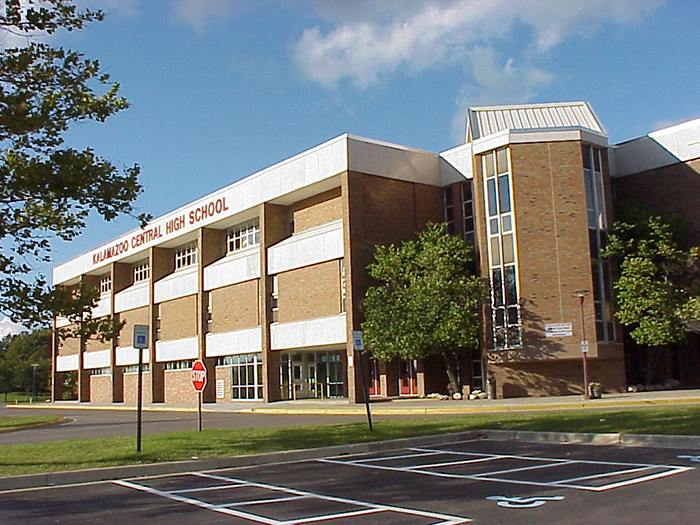
According to GreatSchools.org, the Kalamazoo Public Schools district has a mixed record across its schools. Standout individual schools include Winchell Elementary and Northglade Montessori School, which rank among the stronger elementary programs in the district. At the high school level, Kalamazoo Central High School holds a GreatSchools rating of 7 out of 10, a Niche grade of B-minus, and an average GPA of 3.41 with a 77% graduation rate per Niche data.

It is worth noting that Kalamazoo County contains several other school districts beyond KPS, including Portage Public Schools, Comstock Public Schools, Parchment School District, and Vicksburg Community Schools — each serving their respective geographic areas. Buyers in the county should verify which district serves a specific property, as district boundaries do not always follow city or township lines perfectly.

One of the most distinctive educational features of the area is the Kalamazoo Promise, a scholarship program that provides funding for graduates of Kalamazoo Public Schools to attend Michigan public colleges and universities. This has been a meaningful driver of community investment and school enrollment in the district.

For higher education, Kalamazoo is home to Western Michigan University (a large public research university), Kalamazoo College (a nationally recognized private liberal arts college), and Kalamazoo Valley Community College (a two-year institution). This concentration of higher education adds to the intellectual and cultural vitality of the community.

Kalamazoo, michigan school

Pros & Cons of Living in Kalamazoo, Michigan

Pros:

  • Cost of living approximately 12–15% below the national average, per BestPlaces.net and Redfin data
  • Housing prices well below the national median — average home value around $223,841 per Zillow
  • Strong outdoor recreation infrastructure: 22+ miles of river valley trail, 6 county parks, 83 county lakes, and proximity to Lake Michigan
  • Recognized arts and culture community; ranked #31 most arts-vibrant in the U.S. in 2025 per Discover Kalamazoo
  • Midway between Chicago and Detroit on I-94 — excellent regional highway access
  • Home to Western Michigan University, Kalamazoo College, and KVCC — university city energy and amenities
  • Kalamazoo Promise scholarship program provides meaningful educational opportunity for KPS graduates
  • Nationally recognized craft beer scene anchored by Bell's Brewery
  • Average commute time of under 19 minutes per DataUSA — well below the national average

Cons:

  • Kalamazoo Public Schools district faces challenges — academic proficiency rates below state averages per Niche and GreatSchools data
  • Michigan winters are genuine — plan for cold temperatures, lake-effect snow influence, and seasonal home maintenance
  • Homeownership rate in the city is approximately 42%, meaning the majority of city residents rent — the housing stock reflects that mix
  • Property taxes uncap at purchase; buyers must calculate their own post-transfer tax burden carefully
  • Some neighborhoods within city limits have higher vacancy and blight issues typical of older industrial Midwest cities
  • Public transit options are limited relative to larger metro areas — car ownership is essentially required

Frequently Asked Questions About Living in Kalamazoo, Michigan

What is the population of Kalamazoo, Michigan?

According to the most recent U.S. Census Bureau American Community Survey 5-year estimates, Kalamazoo has a population of approximately 73,132. The Kalamazoo-Portage metropolitan area has a population of approximately 261,670, per census data cited by DataUSA.

Is Kalamazoo, Michigan affordable?

Yes, Kalamazoo is considered one of the more affordable midsized cities in the United States. Per BestPlaces.net, the overall cost of living is approximately 12.3% below the U.S. average. MakeMyMove recognized Kalamazoo as one of the 12 most affordable places to live in the country in 2025.

What is the median home price in Kalamazoo, Michigan?

According to Zillow, the average home value in Kalamazoo is approximately $223,841. Redfin data shows median sale prices in the range of $177,000–$235,000 depending on the period. Redfin notes Kalamazoo's median sale price is approximately 60% below the national average.

What school district serves Kalamazoo, Michigan?

The city of Kalamazoo is primarily served by Kalamazoo Public Schools (KPS), which serves approximately 12,323 students across grades PK–12 per Niche.com. The broader county includes other districts such as Portage Public Schools, Parchment, Comstock, and Vicksburg. Verify district assignment by specific property address before making a decision.

What is the Kalamazoo Promise?

The Kalamazoo Promise is a scholarship program that provides funding for graduates of Kalamazoo Public Schools to attend Michigan public colleges and universities. The program is privately funded and has been widely cited as a model for community investment in education.

How far is Kalamazoo from Chicago and Detroit?

Kalamazoo is located midway between Chicago and Detroit along I-94. The drive to Chicago is approximately 2 to 2.5 hours, and Detroit is a similar distance in the opposite direction. Grand Rapids is about 50 miles north on US-131.

What outdoor recreation is available in Kalamazoo?

Kalamazoo County offers extensive outdoor recreation including the 22-mile Kalamazoo River Valley Trail, six county parks with beaches and camping, Al Sabo Land Preserve (25+ miles of trails), and Fort Custer Recreation Area for hiking, biking, and camping. Lake Michigan beaches are approximately 45 minutes west, per Discover Kalamazoo.

How do property taxes work when buying a home in Kalamazoo?

Michigan uses a millage-based system under Proposal A (1994). When you purchase a home, the taxable value "uncaps" and resets to a higher value the following year — meaning your taxes will likely be higher than what the current owner pays. Always use the Michigan Department of Treasury's property tax estimator at michigan.gov/taxes/property/estimator with 50% of the purchase price as the SEV to get a realistic post-purchase estimate.

Is Kalamazoo a good place to rent versus buy?

According to DataUSA, the homeownership rate in Kalamazoo is approximately 42%, meaning renting is the more common tenure in the city. Both options exist in meaningful supply. Given the relatively affordable home prices, buying can be financially advantageous for those planning to stay long-term — but this depends heavily on individual financial circumstances. Consult a licensed Michigan Realtor for guidance.

What are the main employers in Kalamazoo?

According to DataUSA, the top employment sectors for Kalamazoo residents include Health Care & Social Assistance, Manufacturing, and Accommodation & Food Services. Major employers in the region have historically included pharmaceutical and life sciences companies — Kalamazoo is the original home of the Upjohn Company, and Stryker Corporation was founded here as well. Western Michigan University is also a major employer.

What is the weather like in Kalamazoo, Michigan?

Kalamazoo experiences a full four-season climate typical of southwestern Michigan. Winters are cold with meaningful snowfall — the area receives some lake-effect snow influence from Lake Michigan. Summers are warm and humid. Spring and fall are generally mild and pleasant. Plan for home heating and snow management as practical ownership costs.

How competitive is the Kalamazoo housing market?

According to Redfin, the Kalamazoo housing market is described as "somewhat competitive." Homes typically sell in around 26 days on average per recent Redfin data. The lower price segments tend to see the most buyer competition. Reviewing current days-on-market and list-to-sale price ratios on Realtor.com, Redfin, Zillow, or Trulia will give you the most current read on conditions.

What neighborhoods exist in Kalamazoo?

Kalamazoo has a variety of distinct neighborhoods ranging from the historic Stuart Neighborhood and Vine neighborhood near downtown, to more suburban areas to the south and west. The city of Portage, which borders Kalamazoo to the south, functions as a more suburban extension of the metro with its own distinct housing stock and amenities. Specific neighborhood due diligence is always recommended.

Is Kalamazoo in West Michigan or Southeast Michigan?

Kalamazoo is in Southwest Michigan. It is part of the broader West Michigan region geographically, but sits in the southwestern corner of the Lower Peninsula rather than directly on the Lake Michigan shoreline. Its position on I-94 connects it to both Grand Rapids to the north and Detroit to the east.

To Conclude:

If you're looking to move to, from, or within the state of Michigan in one day or a million, I help people do just that and I love it as a Michigan Realtor. Please reach out anytime for help — I'm happy to be your go-to resource.

Question for You!

What's the one thing that surprised you most when you first heard about Kalamazoo, Michigan — and does this guide change how you think about it as a place to live? Drop a comment below!

Search For All Homes For Sale
See My Home's Current Value
living in michigan | andrew mcmanamon realtor

Andrew McManamon

Founder of Living In Michigan
Michigan Realtor®
[email protected]
Contact Us
www.LivinginMichigan.com

Living In Michigan Newsletter

Get weekly Michigan market insights, hidden gems and relocation tips delivered to your inbox — Join thousands people planning their move to Michigan.

Check Out the EXCLUSIVE "Living In Michigan" Apparel HERELiving In Michigan apparel

Check out recent articles

Is Alamo Township, Michigan a Good Place to …

Is Alamo Township, Michigan a Good Place to …

Considering living in Alamo Township, Michigan? This…

Moving to Portage, Michigan? What to Know About …

Moving to Portage, Michigan? What to Know About …

Thinking about living in Portage, Michigan? This…

Living in Parchment, Michigan: Pros, Cons, Cost of …

Living in Parchment, Michigan: Pros, Cons, Cost of …

Portage, Michigan is a growing city in…