
Introduction
If you’ve been searching for a Michigan community that combines small-town charm with practical access to larger cities, Almont, Michigan is worth considering.
Located in Lapeer County, Almont offers a quieter lifestyle with historic character, open space, and residential neighborhoods that range from established homes to newer builds. Some people move here to enjoy the slower pace and larger properties, while others appreciate the proximity to Macomb County and other Metro Detroit employment centers.
This guide will walk you through housing, cost of living, schools, taxes, and lifestyle in Almont so you can determine whether it fits your relocation plans.
Cost of Living in Almont, Michigan
Cost of living in Almont is largely influenced by housing and transportation costs.
According to the U.S. Census Bureau, rural villages like Almont typically have lower housing density and a higher percentage of single-family homes. BestPlaces.net reports that Lapeer County’s overall cost of living is below the national average, especially in housing.
Housing costs in Almont tend to be more affordable compared to many suburbs closer to Detroit, according to Niche.com housing data. Utility and grocery costs are generally consistent with Michigan averages, based on Midwest regional data from the Bureau of Labor Statistics.
Transportation expenses may vary depending on commute distance, since most residents rely on personal vehicles.
Real Estate & Housing Overview
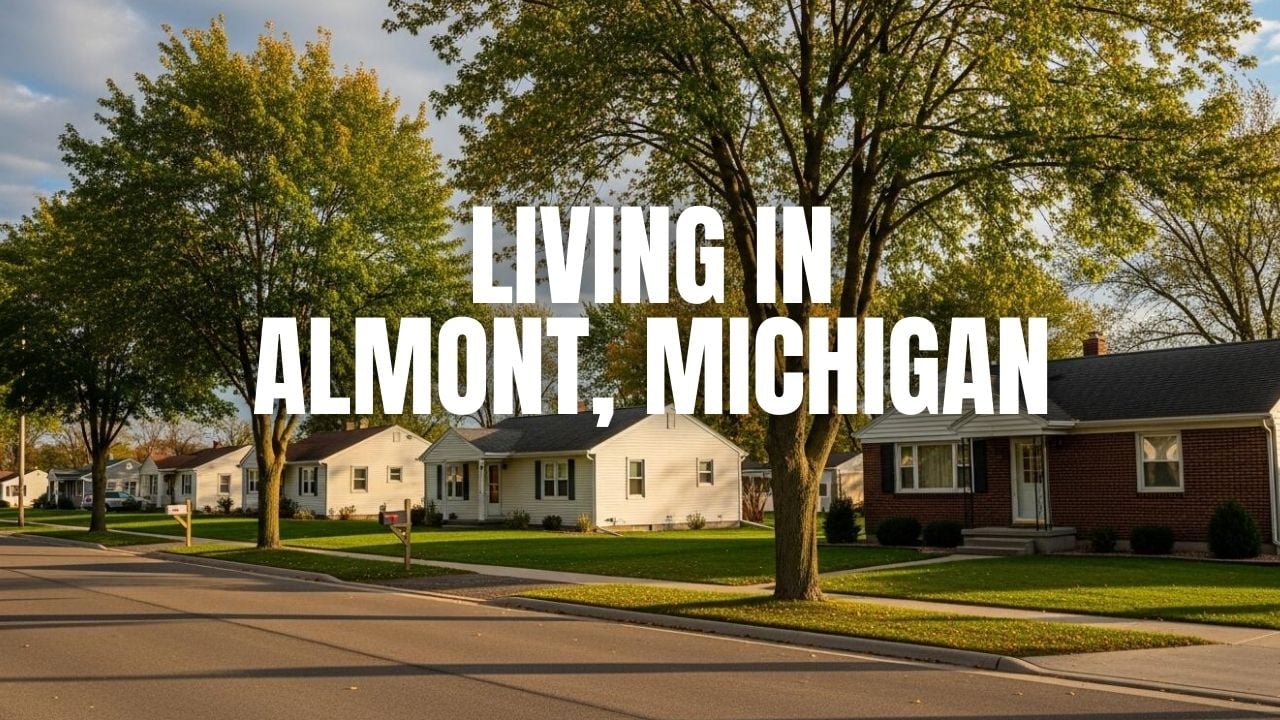
Housing in Almont includes a mix of historic homes, mid-century residences, and newer construction.
According to U.S. Census Bureau housing data and local MLS listings:
Most homes are detached single-family properties
Many homes were built between 1940 and 2000
Newer construction exists in surrounding areas and subdivisions
You’ll commonly see:
Ranch-style homes
Traditional two-story homes
Historic homes near the village center
Newer homes on larger lots outside the downtown area
Lot sizes in Almont are often larger than homes found in denser suburban communities, according to Census housing density data.
Inventory levels tend to be smaller than major suburban markets, which is typical for smaller villages.



Is Volinia Township, Michigan a Good Place to …
Volinia Township, Michigan is one of Cass…
Moving to Silver Creek Township, Michigan? What to …
Silver Creek Township, Michigan is where Cass…
Living in Porter Township (Cass County), Michigan: Pros, …
Porter Township, Michigan is a lake-studded rural…