
Introduction
If you’re looking for a quieter, rural lifestyle in Michigan, Athens might be exactly what you’re searching for.
Located in Calhoun County, Athens is a small village where things move at a slower pace. People often consider living here for the open space, lower housing costs, and distance from the busier urban centers. It’s the kind of place where you trade convenience for simplicity — and for many, that’s the appeal.
In this guide, we’ll walk through what it’s actually like to live in Athens, Michigan, including housing, cost of living, schools, property taxes, and everyday lifestyle factors.
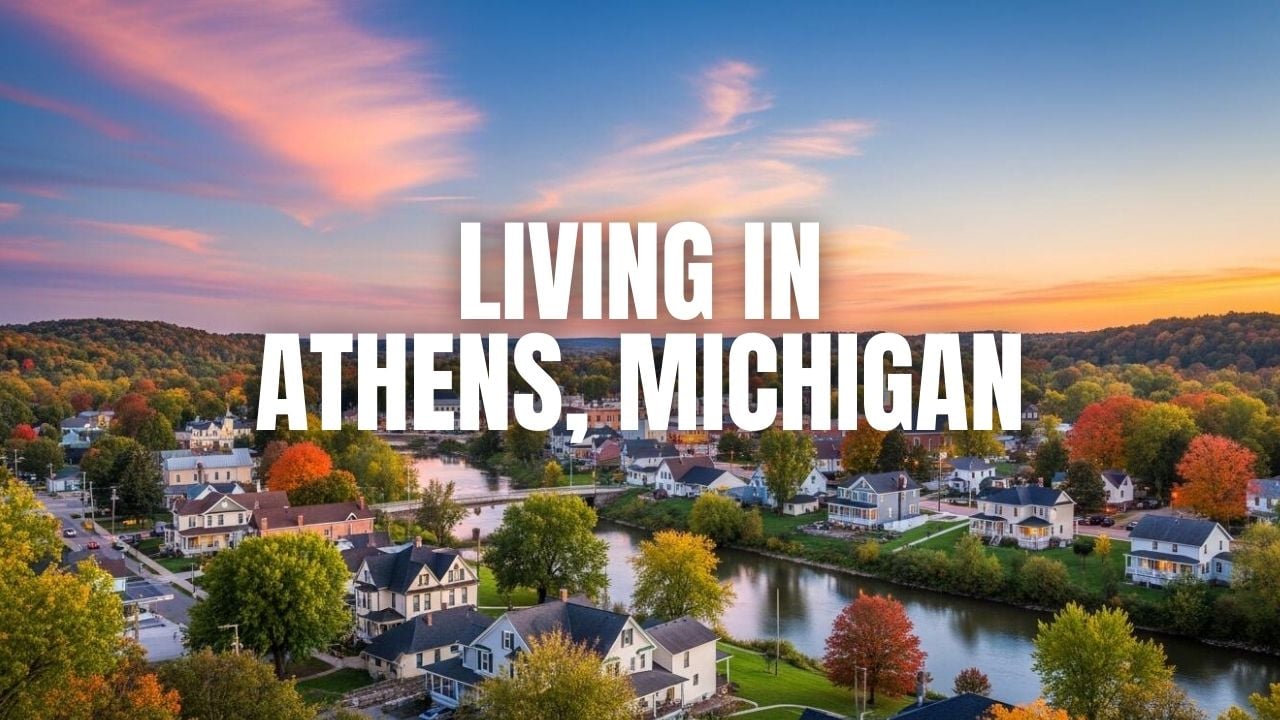
Cost of Living in Athens, Michigan
Cost of living is one of Athens’ strongest advantages.
According to U.S. Census Bureau data, median home values in Athens are significantly lower than the Michigan statewide median. Niche.com also reflects relatively affordable housing costs compared to larger cities.
BestPlaces.net reports that smaller rural communities like Athens often have a cost of living below the national average, especially in housing.
Utilities and transportation costs are generally in line with Michigan averages, based on Midwest data from the Bureau of Labor Statistics. However, transportation costs can increase depending on commute distances due to the rural location.
Overall, Athens tends to offer a lower entry point for homeownership compared to many suburban markets.
Real Estate & Housing Overview
Athens features a mix of older homes, rural properties, and small residential clusters.
Based on U.S. Census Bureau housing data:
Many homes were built between the early 1900s and mid-20th century
Owner-occupied properties make up a large portion of the housing stock
Larger lot sizes are common, especially outside the village center
You’ll typically find:
Farmhouses and traditional two-story homes
Ranch-style homes on larger parcels
Rural properties with acreage
New construction is limited, and most available housing consists of resale homes.
Local real estate trends, based on regional MLS data, show relatively stable pricing due to consistent demand for lower-cost rural housing options.




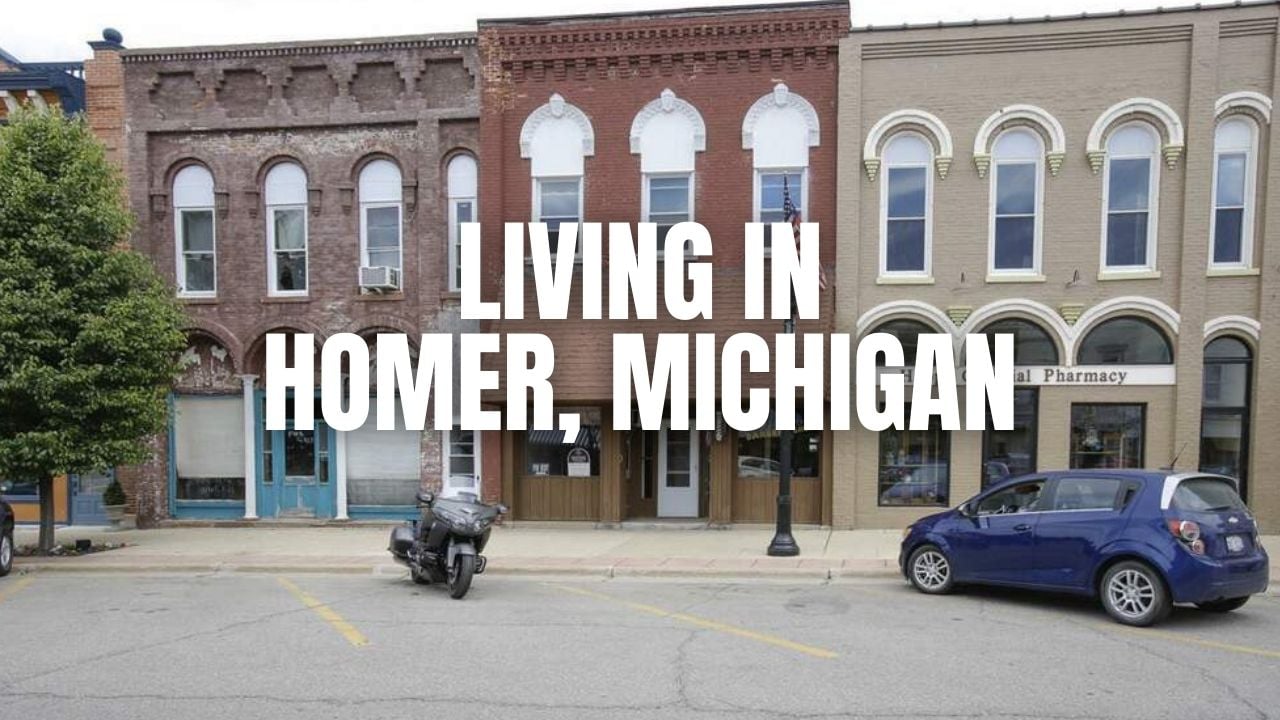
Homer, Michigan: What It’s Like to Live Here …
Considering a move to Homer, Michigan? Located…
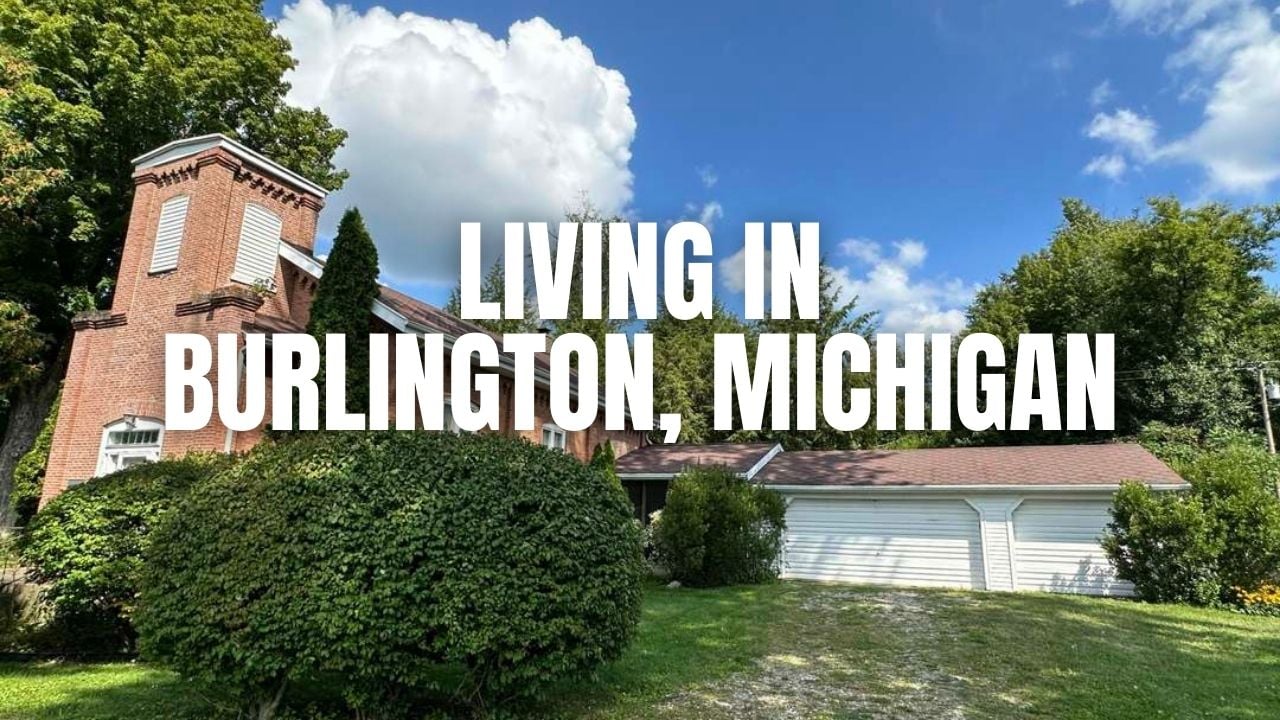
Before You Move to Burlington, Michigan: The Stuff …
Considering a move to Burlington, Michigan? Located…
Athens, Michigan Relocation Guide: Vibe, Housing, Amenities & …
Considering a move to Athens, Michigan? Located…