Introduction
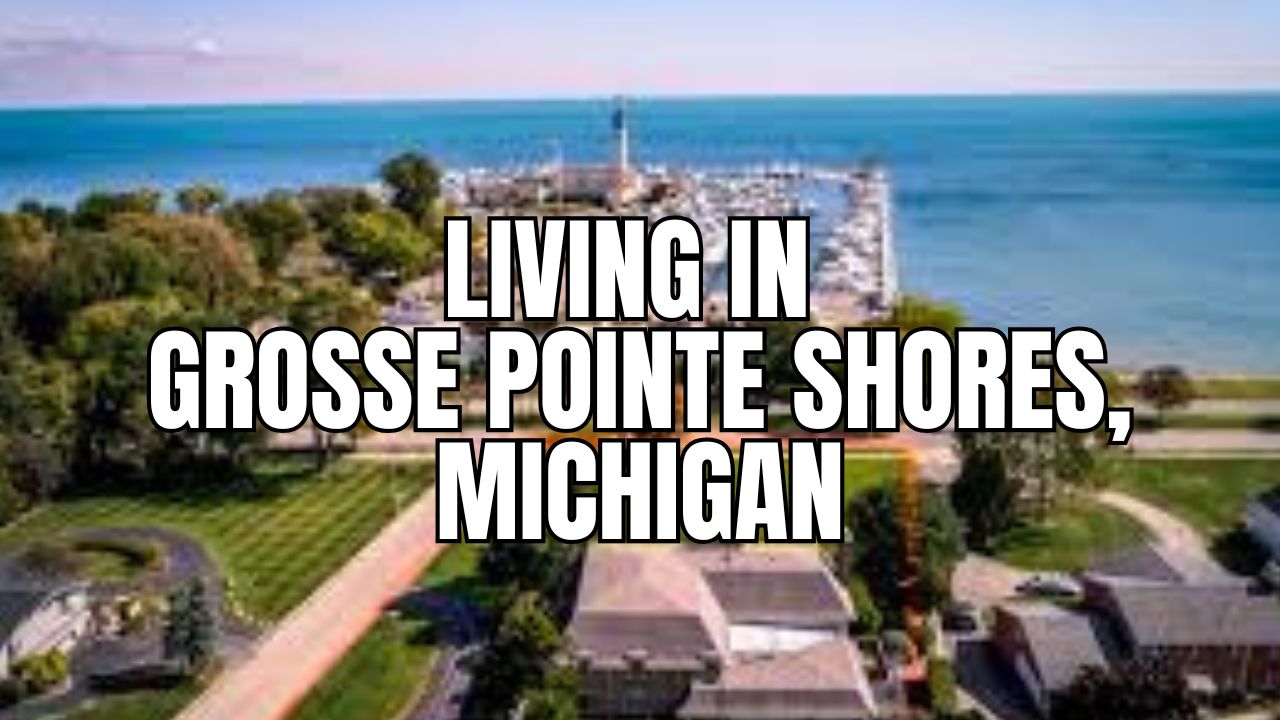
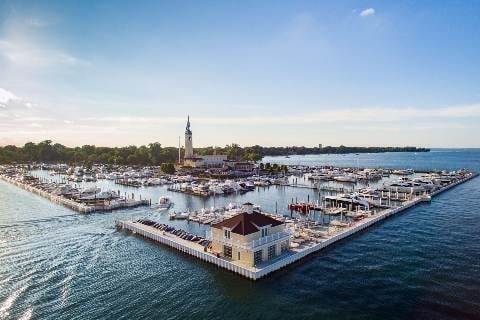
Grosse Pointe Shores, Michigan is one of the smallest and most distinctive communities in Macomb County. Known for its Lake St. Clair frontage and quiet residential layout, it’s a place people often research carefully before making a move. While it doesn’t have a traditional downtown or large commercial areas, it offers something many buyers value: privacy, location, and water access.
If you’re considering Grosse Pointe Shores, Michigan, this guide walks through what locals already know — how the city is laid out, what housing looks like, how taxes work, and what daily life realistically feels like.
Cost of Living in Grosse Pointe Shores, Michigan
The cost of living in Grosse Pointe Shores is higher than the Michigan average, largely due to housing. According to Niche.com and U.S. Census Bureau American Community Survey data, home values in Grosse Pointe Shores are among the highest in Macomb County, driven by lakefront properties and limited housing supply.
Utilities and transportation costs are generally consistent with regional Southeast Michigan averages, according to the Bureau of Labor Statistics. BestPlaces.net notes that while everyday expenses track closely with surrounding communities, housing significantly influences overall cost-of-living comparisons.
Exact costs vary widely depending on property location, especially for lakefront versus interior homes.
Real Estate & Housing Overview
Grosse Pointe Shores is almost entirely residential, with a housing stock that includes large estate-style homes, mid-century residences, and some historic properties. According to U.S. Census Bureau housing data, many homes were built prior to 1970, with architectural styles ranging from traditional to modern.
Typical housing characteristics include:
Large single-family homes
Oversized lots compared to nearby suburbs
Significant lakefront properties
Very limited new construction
Based on local MLS summaries and Niche.com housing data, the real estate market in Grosse Pointe Shores is driven by low inventory and infrequent turnover. New construction is rare due to limited available land, and no market outcomes should be assumed or predicted.



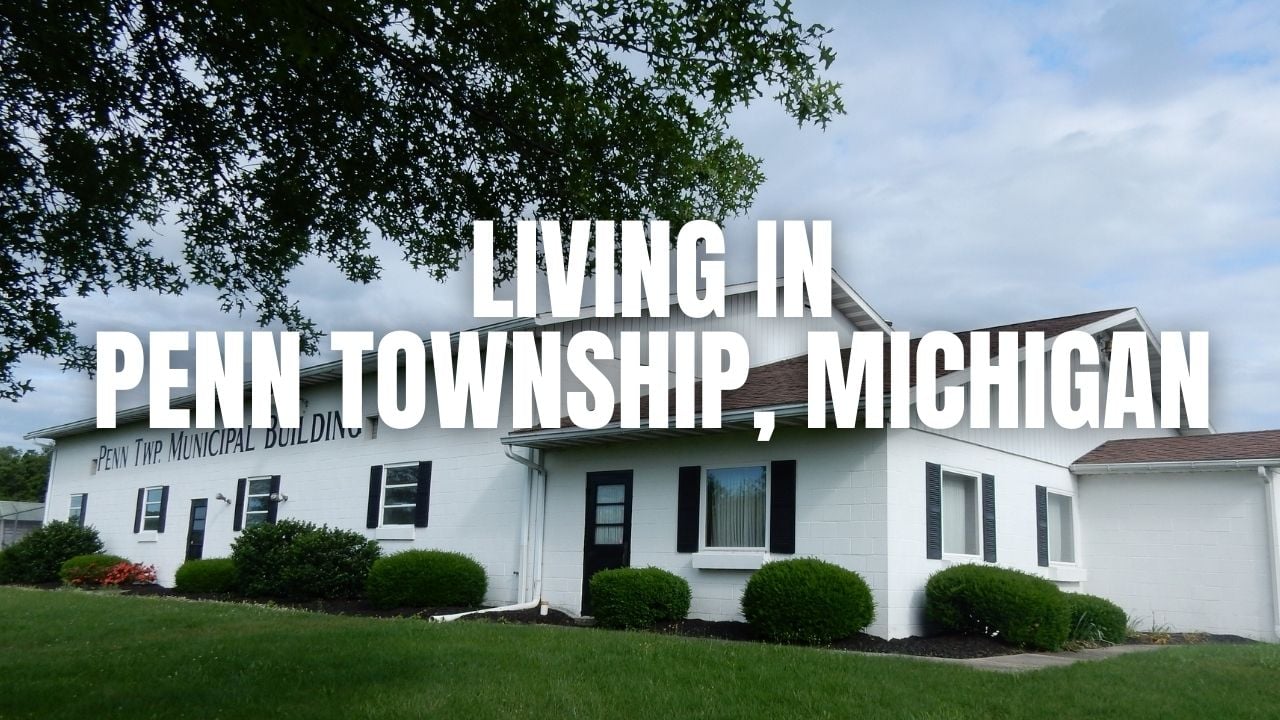
Penn Township, Michigan Living Guide: The Ultimate living …
Penn Township, Michigan is one of Cass…
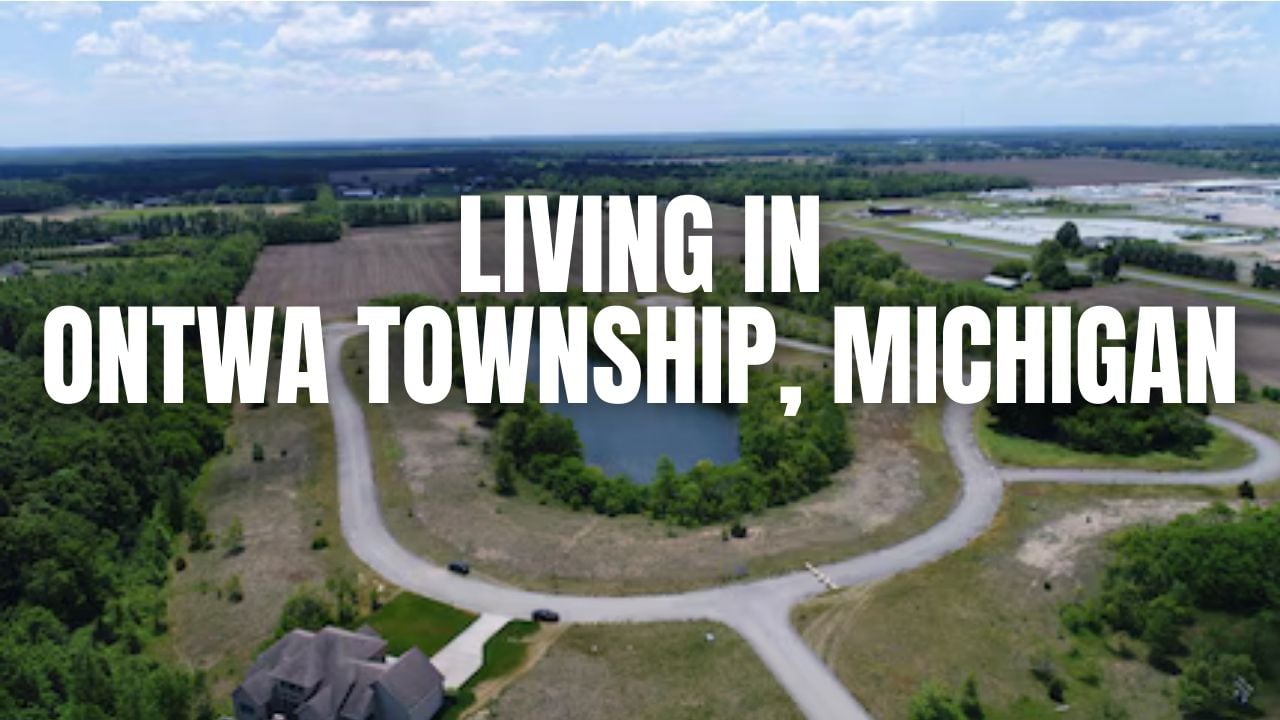
Ontwa Township, Michigan: Best Neighborhood Pockets + Pros/Cons …
Ontwa Township, Michigan is one of Cass…
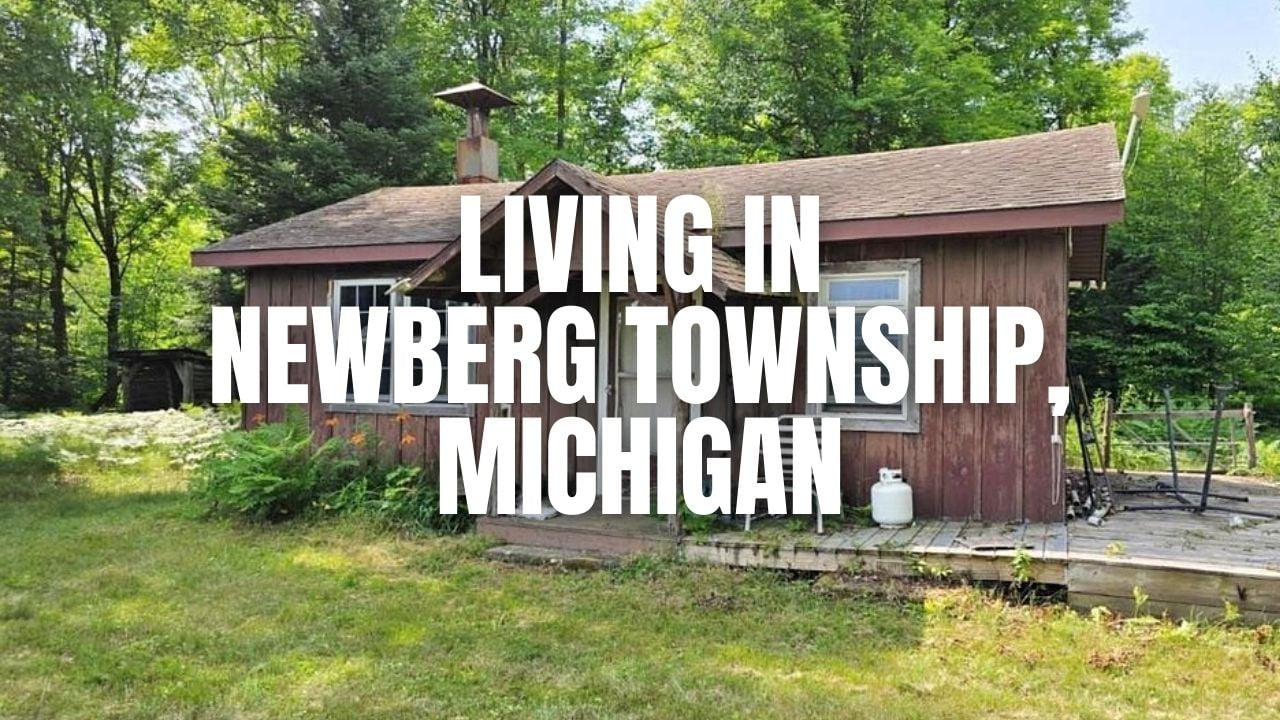
Newberg Township, Michigan: What It’s Like to Live …
Newberg Township, Michigan is a rural Cass…