
Introduction
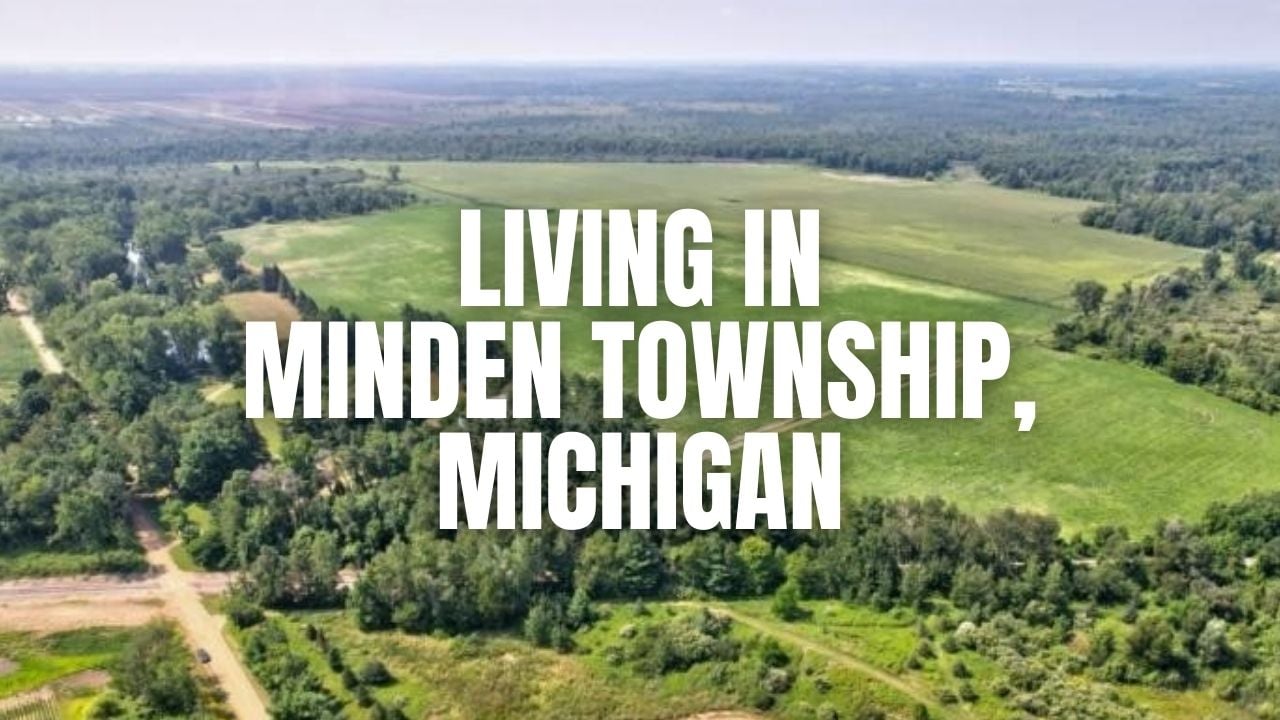
Before you move to Minden Township, Michigan, there are a few things locals would want you to understand — and most of them revolve around space, quiet, and rural living.
Located in Sanilac County, Minden Township is not a suburban community. It’s primarily agricultural and residential with a low population density. According to the U.S. Census Bureau, the township has a population under 1,000 residents.
If you’re considering this area, it’s likely because you want land, fewer neighbors, and a slower pace of life. Let’s break down what that really looks like day to day.
Cost of Living in Minden Township, Michigan
Minden Township’s cost of living is largely driven by housing and transportation.
According to U.S. Census Bureau data for Sanilac County, median home values are significantly lower than the statewide median. Niche.com also reflects below-average housing costs compared to Michigan as a whole.
BestPlaces.net reports that Sanilac County’s overall cost of living index is below the national average, with housing being the primary factor.
Utilities and transportation costs in rural townships can vary. The Bureau of Labor Statistics reports Midwest utility averages that generally align with Michigan norms, but rural residents may rely more heavily on personal vehicles due to limited public transportation options.
If affordability and land value are priorities, this region tends to offer more space per dollar than urban or suburban markets.
Real Estate & Housing Overview
Housing in Minden Township is primarily rural residential and agricultural.
Based on U.S. Census Bureau housing data:
A significant portion of homes were built between the 1950s and 1990s
Owner-occupied housing makes up the majority of properties
Many properties sit on multi-acre parcels
Common property types include:
Farmhouses
Ranch-style homes
Manufactured homes on private land
New construction is limited and typically custom-built rather than subdivision-based. MLS activity in Sanilac County shows lower transaction volume compared to more densely populated counties, reflecting the township’s small population base.
This is not a high-turnover housing market, which is common in rural areas.



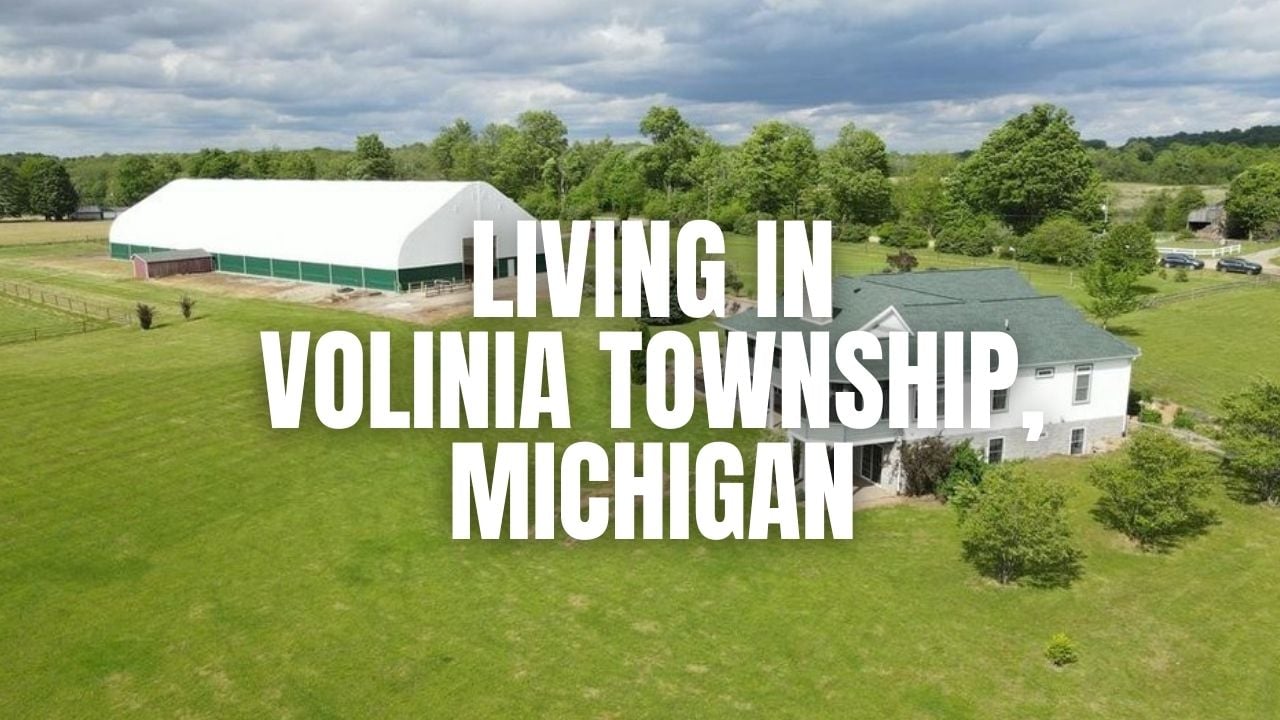
Is Volinia Township, Michigan a Good Place to …
Volinia Township, Michigan is one of Cass…
Moving to Silver Creek Township, Michigan? What to …
Silver Creek Township, Michigan is where Cass…
Living in Porter Township (Cass County), Michigan: Pros, …
Porter Township, Michigan is a lake-studded rural…