Introduction
If you’ve ever driven up I-75 in Michigan, chances are you’ve seen signs for Birch Run. While many people know it for shopping, Birch Run Township offers more than just outlet stores.
Located in Saginaw County, Birch Run Township blends residential neighborhoods, open space, and convenient highway access. Some residents appreciate the rural feel with easy access to larger cities. Others value its location near major travel corridors.
Let’s break down what it’s actually like to live in Birch Run Township, Michigan — including housing, cost of living, schools, property taxes, and lifestyle.
Cost of Living in Birch Run Township, Michigan
Housing affordability is often a key factor for those considering Birch Run Township.
According to U.S. Census Bureau data, median home values in the township are generally below Michigan’s statewide median. Niche.com also reports that housing costs in Birch Run are more affordable than many suburban areas closer to Metro Detroit.
BestPlaces.net indicates that the overall cost of living in Birch Run is slightly below the national average.
Utilities and transportation costs typically align with regional averages reported by the Bureau of Labor Statistics for the Midwest. Because of the township’s rural layout, vehicle ownership is generally necessary for daily errands and commuting.
Individual expenses will vary depending on home type, commuting distance, and personal lifestyle.
Real Estate & Housing Overview
Birch Run Township offers a mix of rural properties, established subdivisions, and manufactured housing communities.
Based on U.S. Census Bureau housing data:
A significant portion of homes were built between the 1970s and early 2000s
Owner-occupied homes make up the majority of housing units
Lot sizes are often larger than those in urban settings
You’ll find:
Ranch-style homes on larger parcels
Two-story traditional homes in neighborhood settings
Manufactured homes in designated communities
New construction activity is present but limited compared to fast-growing suburban regions. Local MLS data reflects steady transaction activity typical of smaller Michigan townships rather than high-volume metro markets.
Market conditions fluctuate with broader economic trends and interest rates.
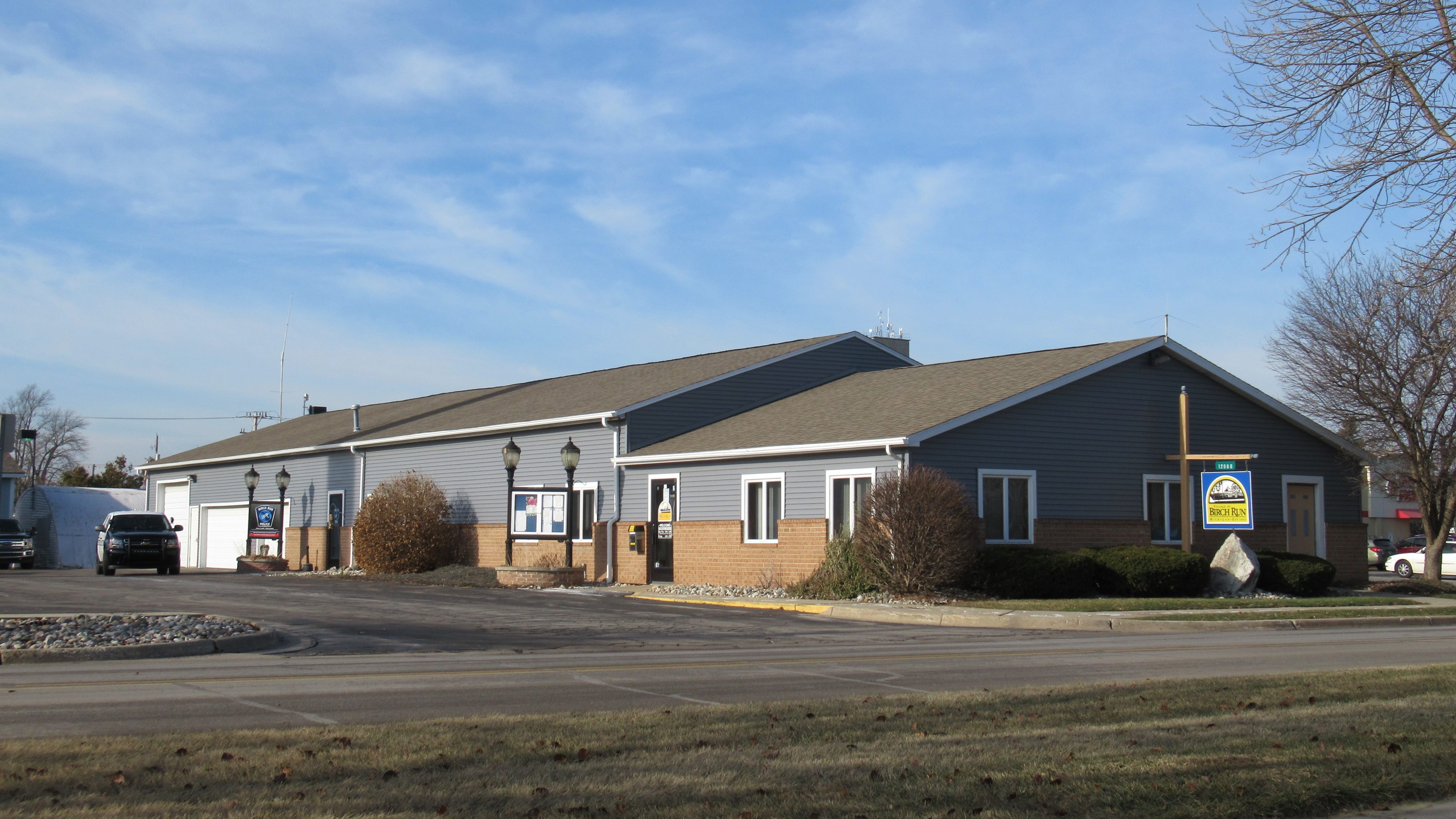




Birch Run Township, Michigan Living Guide: The Ultimate …
Considering a move to Birch Run Township,…
Thinking About Washington Township (Sanilac County), Michigan? A …
Considering a move to Washington Township, Michigan…
Speaker Township, Michigan Living Guide: The Ultimate living …
Considering a move to Speaker Township, Michigan?…