
Introduction
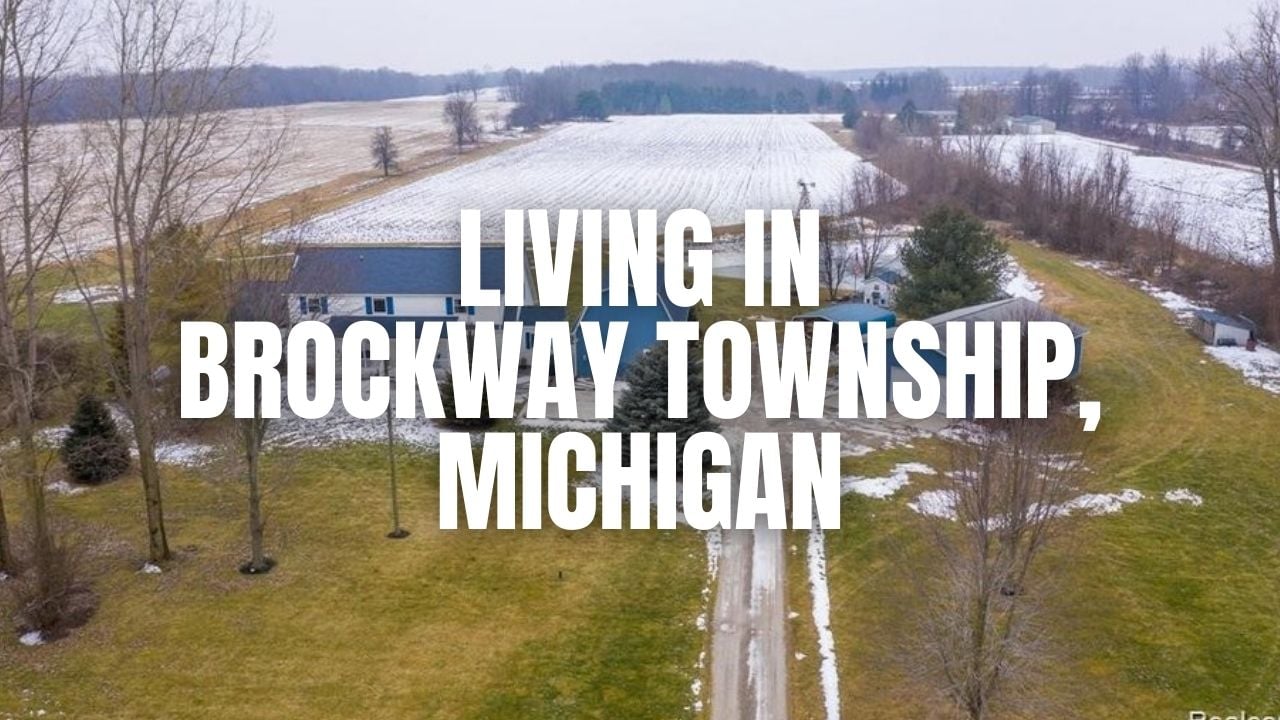
If you’re searching for open space, quieter roads, and a rural Michigan setting, Brockway Township, Michigan may already be on your list.
Located in St. Clair County, this township is defined by agricultural land, large parcels, and a slower-paced lifestyle compared to suburban Metro Detroit communities. People often consider living here for privacy, land ownership opportunities, and a more rural environment — while still being within driving distance of Port Huron and other regional hubs.
Let’s walk through what you should know before making a move, including housing trends, cost of living, property taxes, schools, and daily lifestyle expectations.
Cost of Living in Brockway Township, Michigan
Cost of living in Brockway Township is largely influenced by housing and transportation, as retail and service density is lower than in urban centers.
According to U.S. Census Bureau data, median home values in rural St. Clair County townships tend to be below Michigan’s statewide median. Niche.com data for the surrounding area reflects relatively moderate housing costs compared to major suburban markets.
BestPlaces.net reports that St. Clair County’s overall cost of living index is generally near or slightly below the national average.
Utility costs align with Michigan averages, based on Midwest data from the Bureau of Labor Statistics.
Because properties often include larger acreage, costs such as well maintenance, septic systems, or propane heating may apply, depending on the home.
Real Estate & Housing Overview
Housing in Brockway Township is primarily composed of:
Single-family homes
Farmhouses and agricultural properties
Ranch-style homes on multiple-acre parcels
Manufactured homes in some areas
According to U.S. Census Bureau housing data, a significant portion of homes in rural St. Clair County were built between the 1970s and 2000s, though older farm properties are present as well.
Lot sizes are generally larger than suburban averages, often measured in acres rather than fractions of an acre.
New construction exists but is limited compared to high-growth suburban areas. Local MLS trends show that inventory can fluctuate seasonally, particularly for larger parcels and agricultural properties.
Market conditions tend to move at a different pace than densely populated regions.



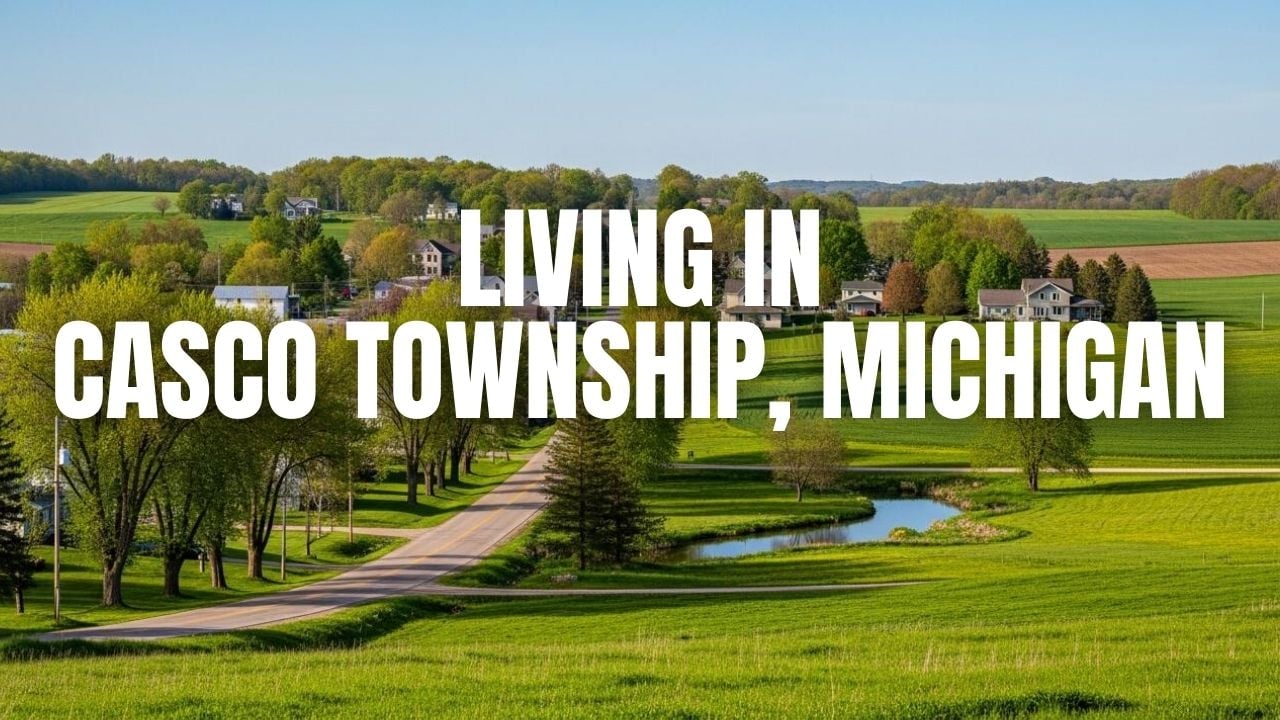
Living in Casco Township (St. Clair County), Michigan: …
Living in Casco Township, Michigan offers a…
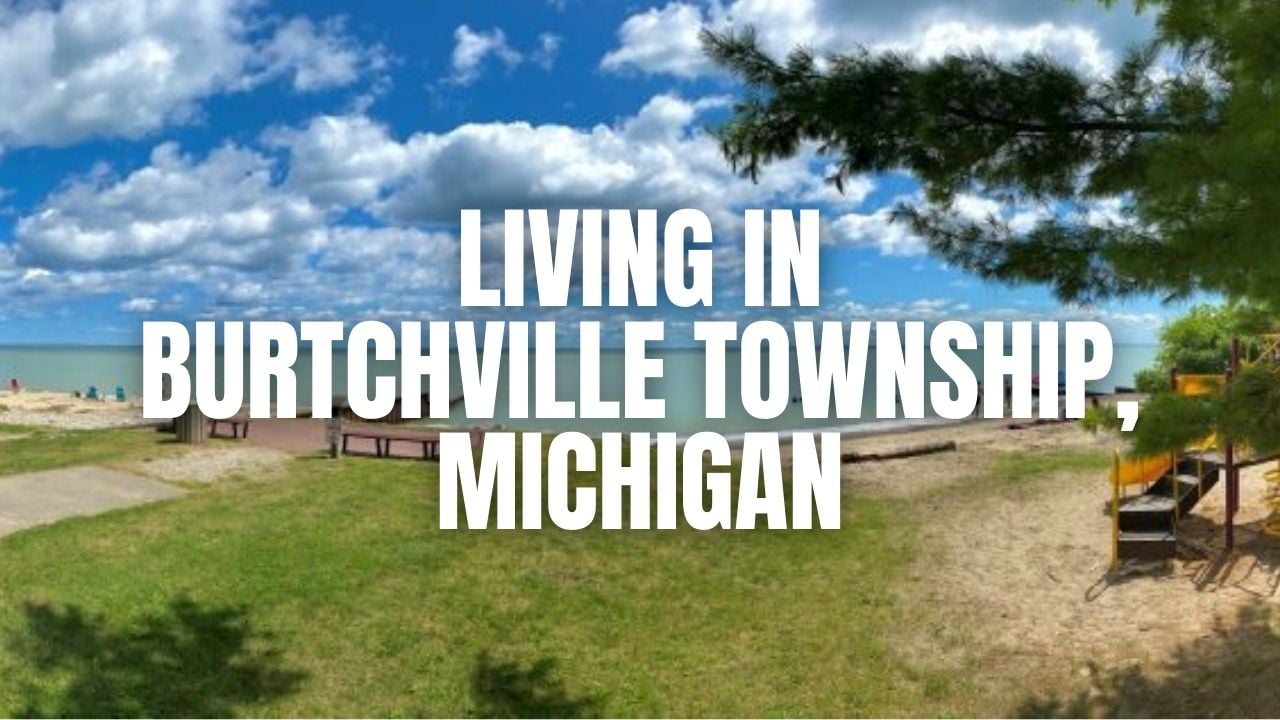
Thinking About Burtchville Township, Michigan? A practical guide
Considering a move to Burtchville Township, Michigan?…
Brockway Township, Michigan Living Guide: The Ultimate living …
Considering a move to Brockway Township, Michigan?…