
Introduction
If you’re considering small-town living in Michigan’s Thumb region, Brown City, Michigan might be on your list.
This community in Sanilac County offers a slower pace, rural surroundings, and housing prices that tend to be lower than many larger Michigan cities. People often consider Brown City when they want space, affordability, and distance from heavier traffic patterns.
In this guide, we’ll break down what it’s like to live in Brown City — including cost of living, housing options, commute realities, schools, and everyday lifestyle factors — so you can make an informed decision.
Cost of Living in Brown City, Michigan
Cost of living is often one of Brown City’s most notable advantages.
According to U.S. Census Bureau data, median home values in Brown City are significantly lower than the Michigan statewide median. Niche.com also reflects lower-than-average housing costs compared to many parts of the state.
BestPlaces.net reports that overall cost of living in small rural Michigan communities tends to fall below national averages, particularly due to housing expenses.
Utilities and transportation costs generally align with Midwest regional averages, according to the Bureau of Labor Statistics. However, transportation expenses may vary depending on commute distance, since most errands and jobs require driving.
As always, individual financial situations vary, so it’s helpful to compare current listings and tax rates when evaluating affordability.
Real Estate & Housing Overview
Brown City’s housing stock is primarily composed of single-family homes.
According to U.S. Census Bureau housing data:
Many homes were built between the 1940s and 1980s
Owner-occupied properties make up the majority of housing units
Lot sizes tend to be larger than those found in suburban subdivisions
You’ll typically find:
Ranch-style homes
One-and-a-half story traditional homes
Older farmhouses on larger parcels outside city limits
New construction activity is limited compared to larger growth areas, and most listings consist of resale properties. Local MLS data generally shows modest transaction volume consistent with a smaller population base.
Because inventory can be limited at times, buyers may see fewer active listings compared to suburban markets.



The Most Connected Home in Brighton, Michigan | …
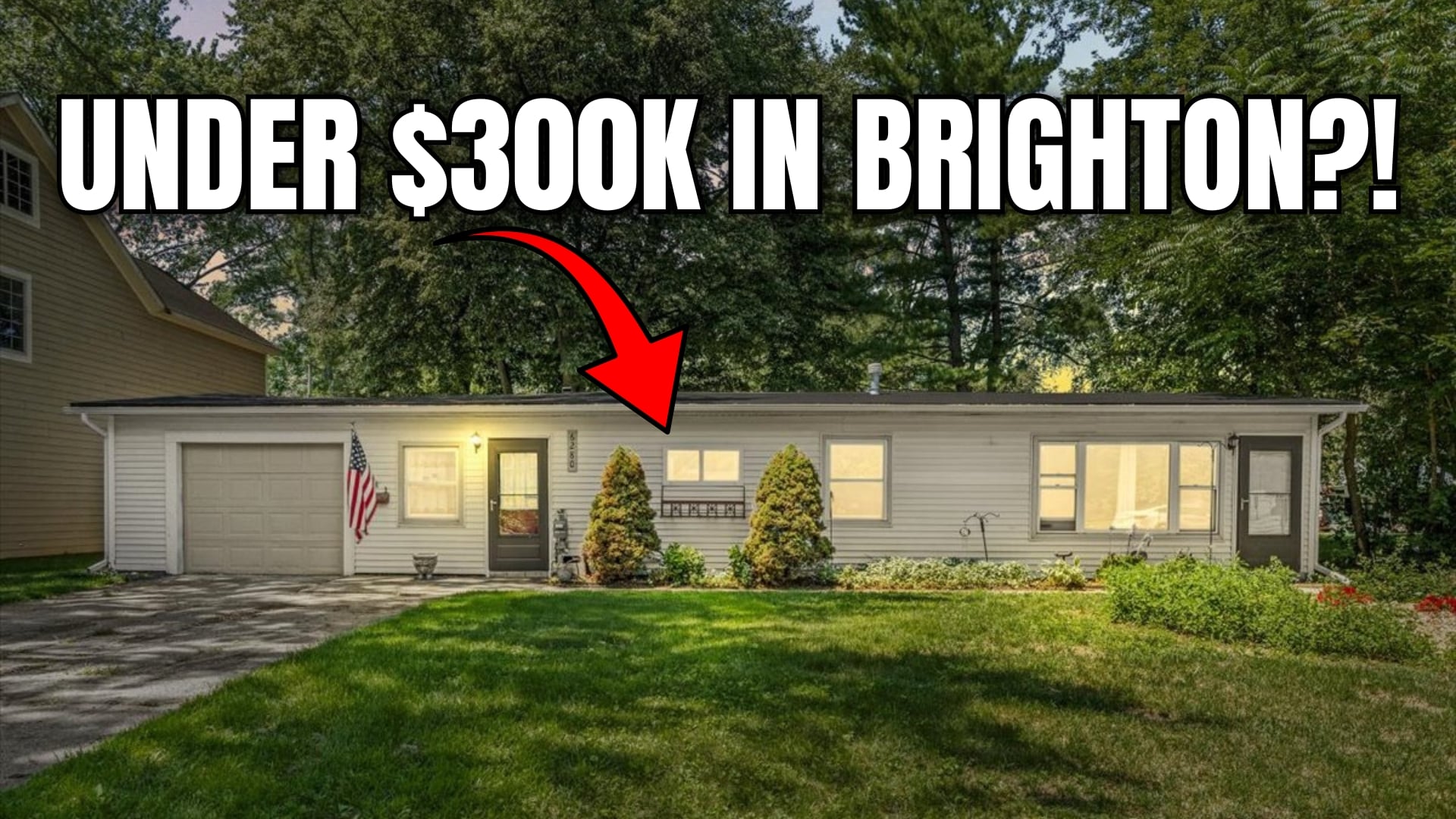
6280 Beth Rd, Brighton, MI: move-in-ready 3-bed,…
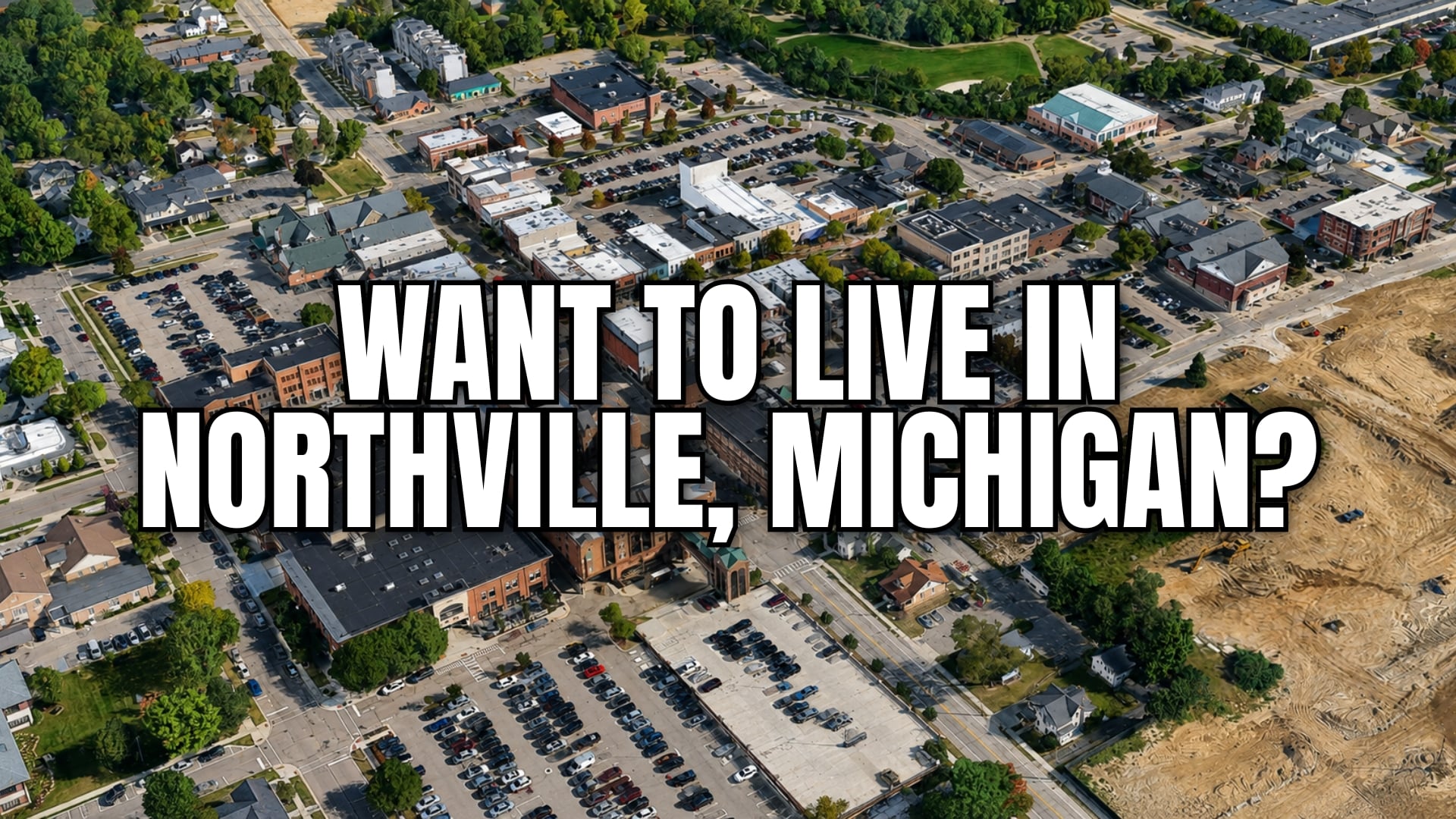
Living In Northville, Michigan (Is It Worth It?)
Thinking about living in Northville, Michigan? Discover…

Birmingham Michigan Vs. Grosse Pointe Michigan: Which One …
Thinking about Birmingham Michigan or Grosse Pointe…