Introduction
If you're looking for a quieter, more rural setting in Michigan without being too far from city amenities, Burlington Township might be worth a closer look.
Located in Calhoun County, this township offers open land, low-density housing, and a slower pace of life compared to nearby cities. Many people consider Burlington Township for its space, privacy, and proximity to places like Battle Creek and Marshall.
That said, rural living comes with trade-offs. In this guide, we’ll walk through what to realistically expect when it comes to housing, cost of living, schools, property taxes, and lifestyle in Burlington Township, Michigan.
Cost of Living in Burlington Township, Michigan
Cost of living in Burlington Township is generally lower than many urban and suburban areas in Michigan, particularly when it comes to housing.
According to U.S. Census Bureau data for Calhoun County, median home values are below the Michigan statewide median. Niche.com also indicates that housing affordability is a key feature of communities in this region.
BestPlaces.net reports that Calhoun County’s overall cost of living is below the national average, which reflects broader trends seen in Burlington Township.
Utilities and transportation costs are typically in line with Midwest averages, based on Bureau of Labor Statistics regional data.
Because the township is more rural, transportation costs may vary depending on commute distance and fuel usage.
Real Estate & Housing Overview
Burlington Township’s housing market is defined by space and lower density.
Based on U.S. Census Bureau housing data:
Many homes are single-family properties
A mix of older farmhouses, mid-century homes, and newer builds exist
Lot sizes are typically larger than suburban norms
Common housing characteristics include:
Detached homes on acreage or larger lots
Ranch-style homes and traditional two-story houses
Agricultural and rural residential properties
New construction does occur but is typically spread out rather than part of large-scale developments.
Local MLS data shows that home prices can vary significantly depending on acreage, condition, and proximity to nearby towns.



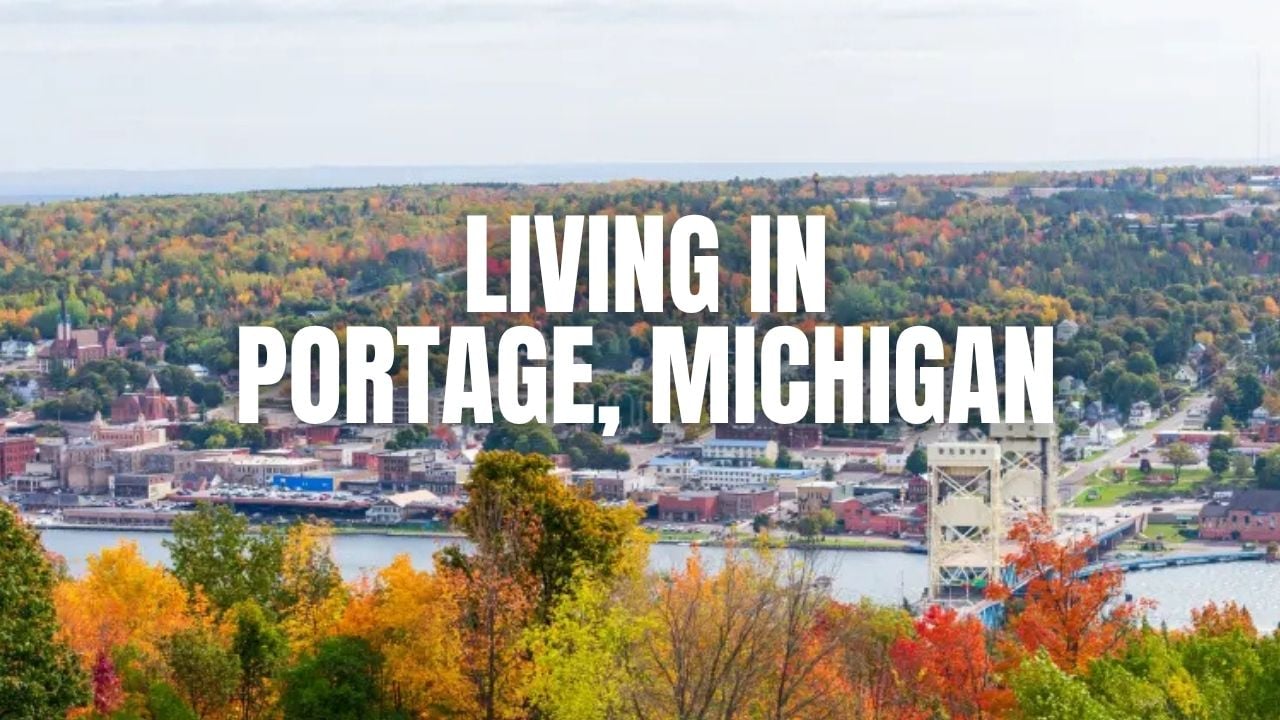
Moving to Portage, Michigan? What to Know About …
Thinking about moving to Portage, Michigan? This…
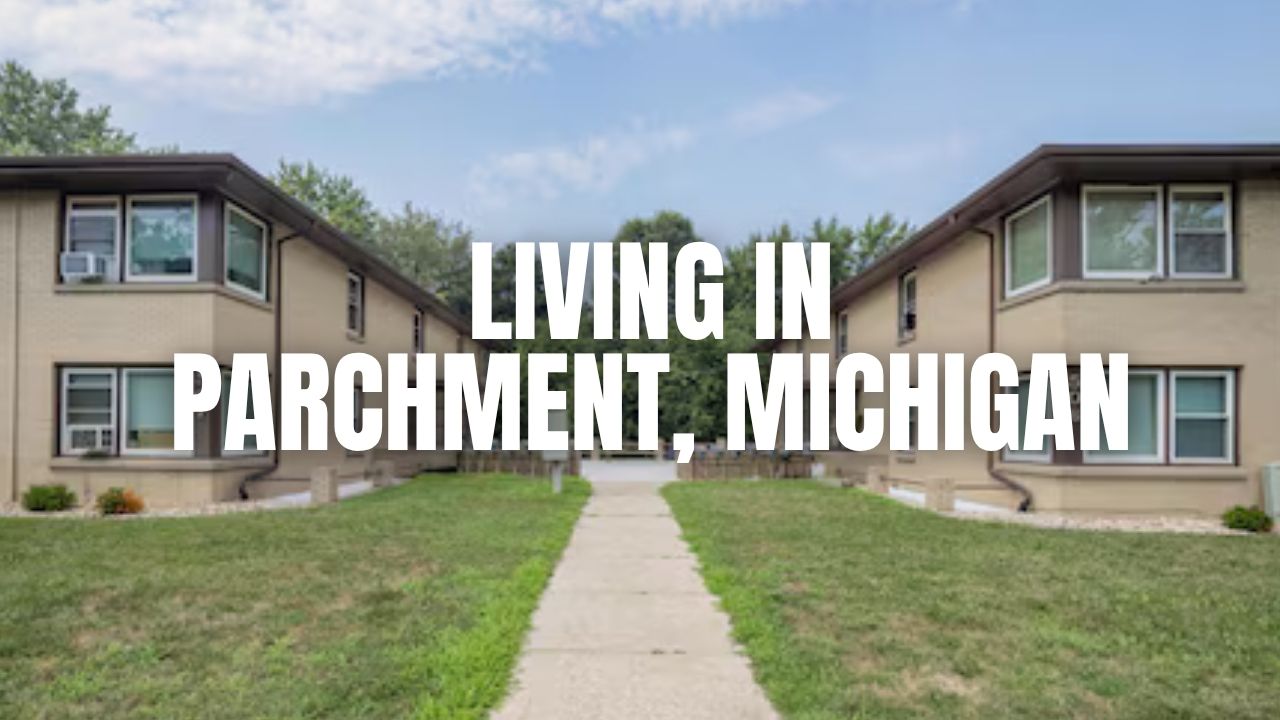
Living in Parchment, Michigan: Pros, Cons, Cost of …
Thinking about living in Parchment, Michigan? This…
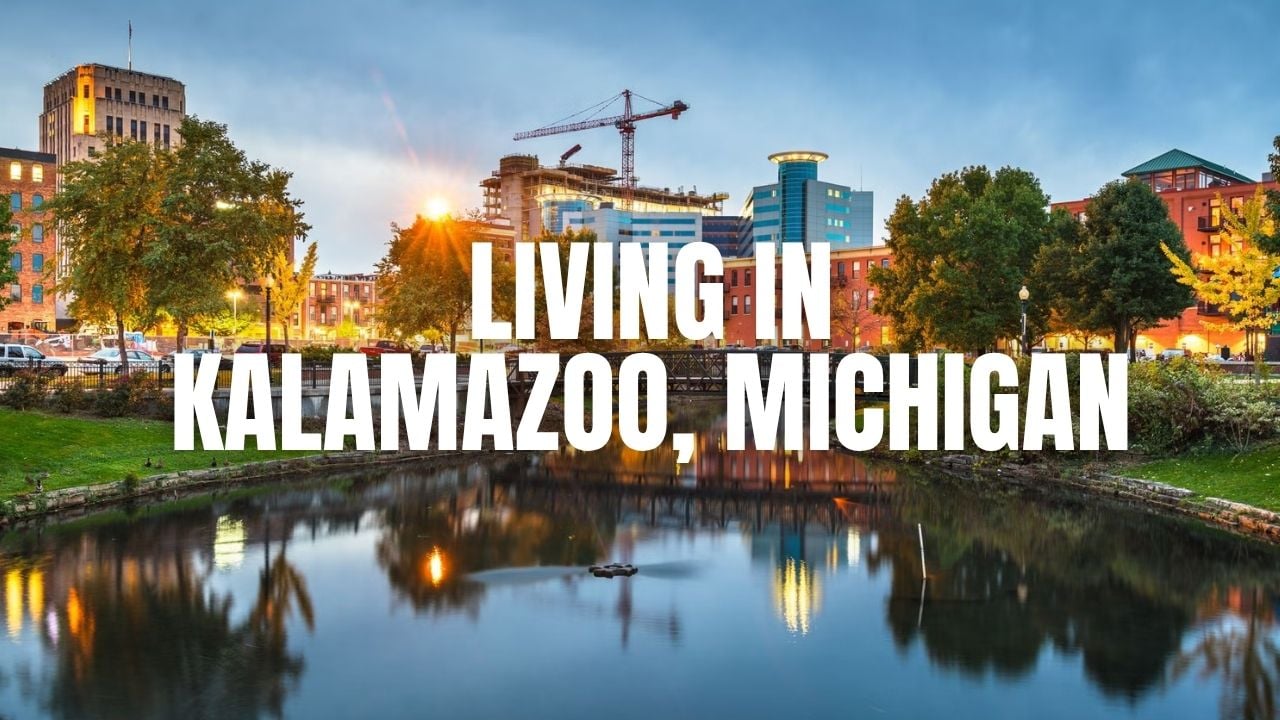
Thinking About Kalamazoo, Michigan? A practical guide
Thinking about moving to Kalamazoo, Michigan? This…