
Introduction
If you’re exploring quieter places to live in Southeast Michigan, Capac, Michigan might be a community worth considering.
Located in St. Clair County, Capac is a small village with a historic downtown, surrounding farmland, and a slower pace of life compared to larger suburban areas. Some people are drawn here for the rural atmosphere, while others appreciate the relatively affordable housing options.
Of course, living in a smaller village comes with trade-offs. In this guide, we’ll walk through what to realistically expect when it comes to cost of living, housing, property taxes, schools, and lifestyle in Capac, Michigan.
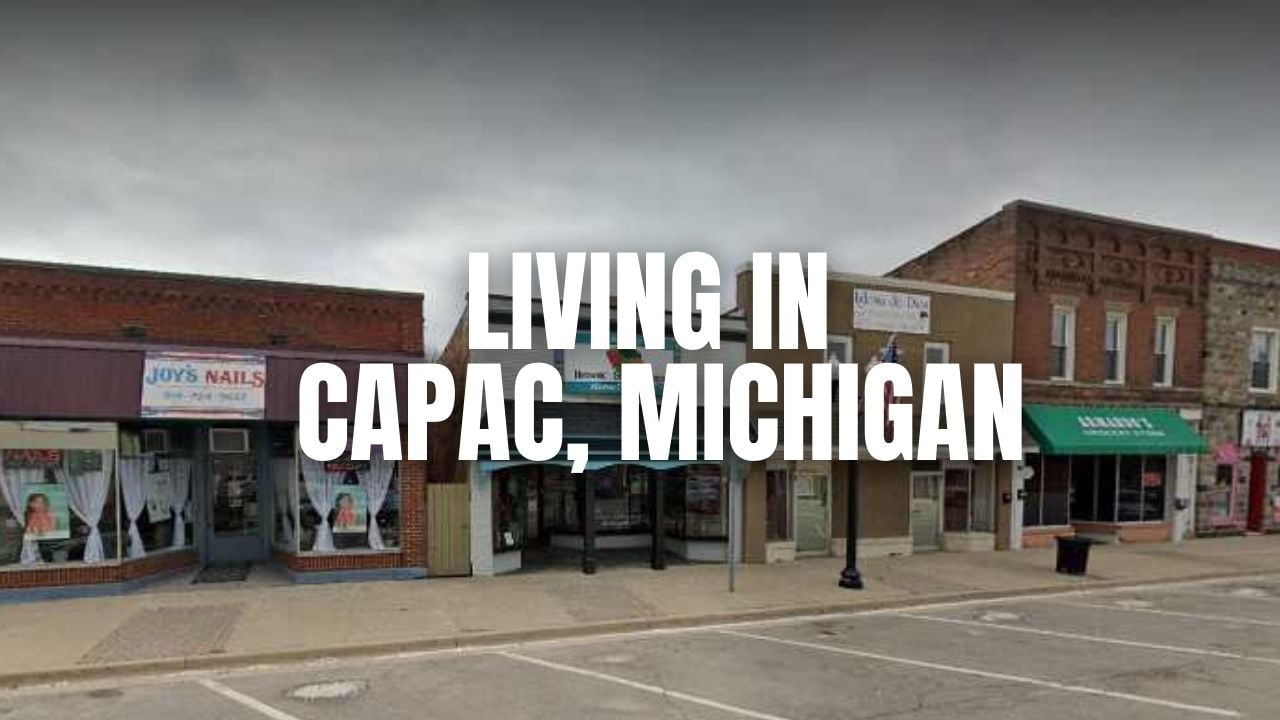
Cost of Living in Capac, Michigan
One of the reasons people consider living in Capac is housing affordability.
According to U.S. Census Bureau data, median home values in Capac are generally lower than the Michigan statewide median. Niche.com also indicates that housing costs in Capac are relatively affordable compared to many suburban communities.
BestPlaces.net reports that overall living costs in smaller Michigan communities often fall below national averages, though specific figures can fluctuate depending on local housing markets.
Utility and transportation costs in the region generally align with Midwest averages based on data from the Bureau of Labor Statistics.
As always, individual expenses depend on housing type, commute distance, and lifestyle choices.
Real Estate & Housing Overview
Capac’s housing market primarily consists of established homes and rural properties.
According to U.S. Census Bureau housing data:
A large share of homes were built between the 1940s and 1980s
Owner-occupied housing makes up the majority of residential properties
Lot sizes are often larger than those in urban or suburban settings
Common home styles include:
Ranch-style homes
Traditional two-story houses
Farmhouses and rural properties on acreage
Small historic homes near the village center
New construction does occur in the area, but development tends to be smaller in scale compared to rapidly growing suburban markets.
Local MLS listings generally show steady activity, with prices influenced by property size, acreage, and home condition.



Before You Move to Columbia Township (Tuscola County), …
Considering a move to Columbia Township, Michigan…
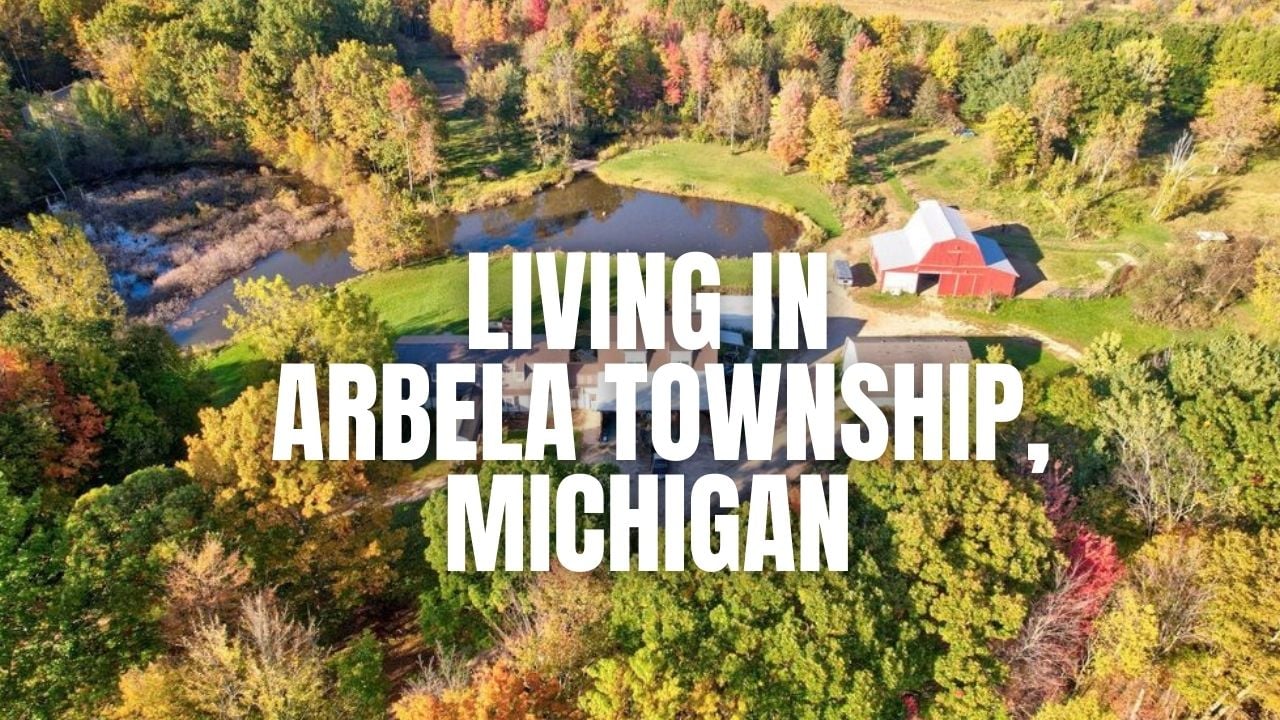
Arbela Township, Michigan Relocation Guide: Vibe, Housing, Amenities …
Considering a move to Arbela Township, Michigan?…
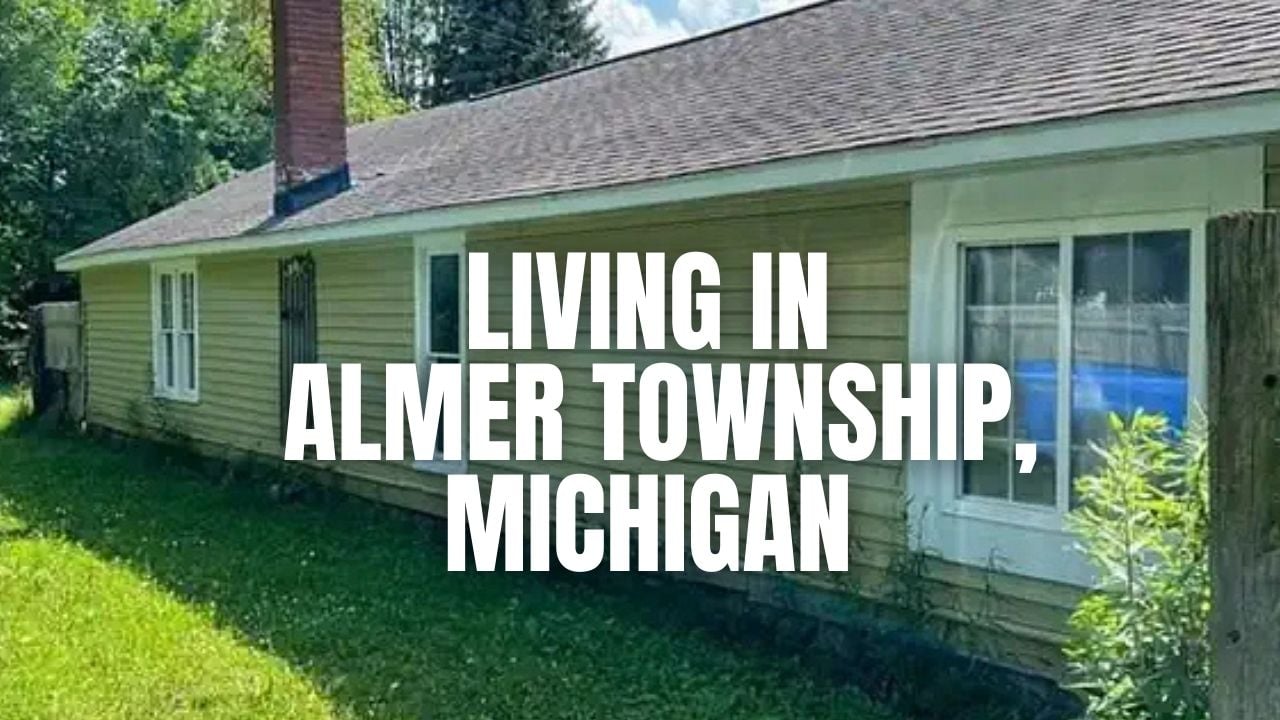
The Truth About Almer Township, Michigan: Neighborhoods, Prices, …
Thinking about moving to Almer Township, Michigan?…