
Introduction
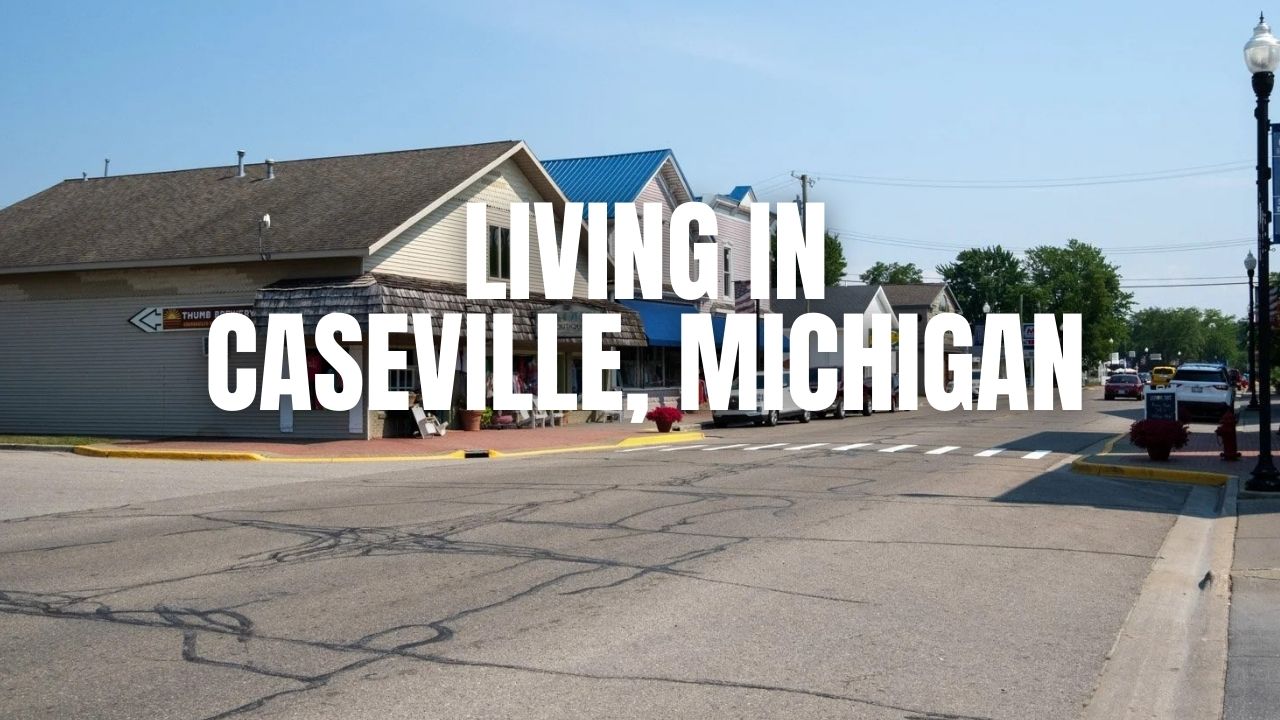
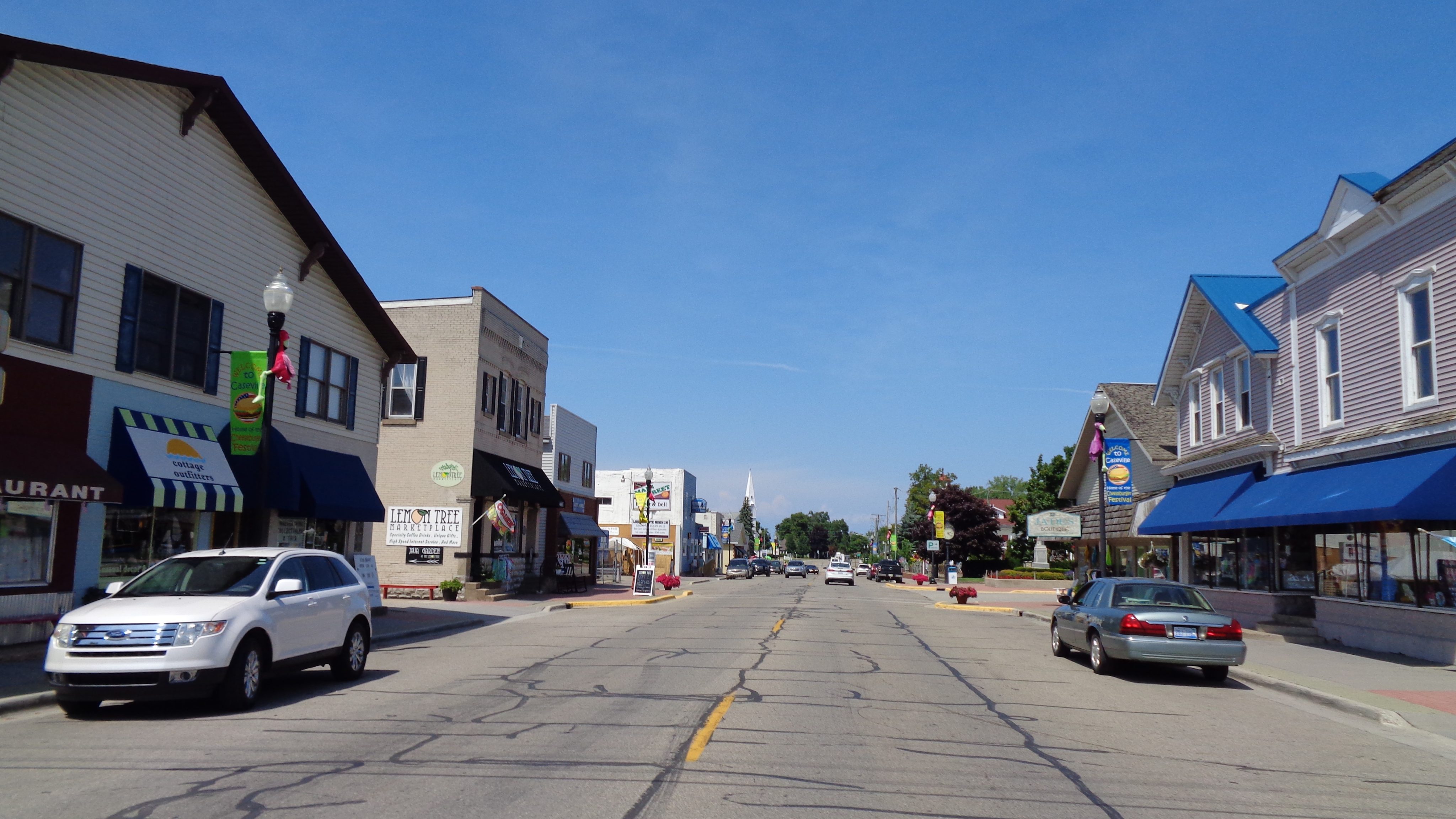
If you’ve ever dreamed about living near the water in Michigan without big-city traffic, Caseville, Michigan might already be on your radar. Known for its Lake Huron shoreline and laid-back vibe, this small village in Huron County attracts both year-round residents and seasonal homeowners.
People consider moving to Caseville for the waterfront lifestyle, boating access, and slower pace of life. But like any community, it comes with trade-offs. Let’s break down what living here actually looks like—housing, schools, property taxes, and everyday life included.
Cost of Living in Caseville, Michigan
Cost of living in Caseville tends to reflect its small size and waterfront location.
According to U.S. Census Bureau data, the median home value in Caseville is lower than Michigan’s statewide median, though waterfront properties can exceed those figures depending on location and frontage. Niche.com also notes that housing costs in Caseville are generally lower than national averages, but seasonal demand can impact pricing.
Utilities and transportation costs are broadly in line with Michigan averages, according to data from the Bureau of Labor Statistics for the Midwest region. Because the village is compact and amenities are limited, residents often drive to nearby communities for larger grocery stores and services, which can slightly increase transportation costs.
Overall, Caseville can be affordable compared to major Michigan metro areas—but lakefront properties command a premium.
Real Estate & Housing Overview
Housing in Caseville consists largely of:
• Single-family homes
• Lakefront cottages
• Seasonal properties
• Manufactured homes in select areas
According to U.S. Census Bureau housing data, a significant portion of housing units in Caseville are classified as seasonal or recreational use. That aligns with the area’s popularity as a summer destination.
Many homes were built between the 1950s and 1990s, though updated lakefront properties and newer builds do exist. Lot sizes vary, with tighter lots near the water and larger parcels further inland.
Based on regional MLS data trends for Huron County, the market is relatively small in volume, meaning inventory can fluctuate seasonally. There is limited large-scale new construction within the village itself, and development is generally modest compared to suburban Michigan markets.



The Truth About Springfield, Michigan: Neighborhoods, Prices, Taxes …
Considering a move to Springfield, Michigan in…

Is Marshall, Michigan a Good Place to Live? …
Considering a move to Marshall, Michigan? Located…

Moving to Battle Creek, Michigan? What to Know …
Thinking about moving to Battle Creek, Michigan?…