
Introduction
If you’re searching for a quieter lifestyle near water and open space, Cottrellville Township, Michigan may be worth exploring.
Located in St. Clair County along the St. Clair River, this township offers a mix of rural character, waterfront properties, and access to outdoor recreation. Many people consider the area for its natural scenery and lower population density compared to larger cities.
Like any community, living in Cottrellville Township comes with its own set of advantages and considerations. In this guide, we’ll walk through housing, cost of living, property taxes, schools, and daily lifestyle so you can better understand what living here is really like.
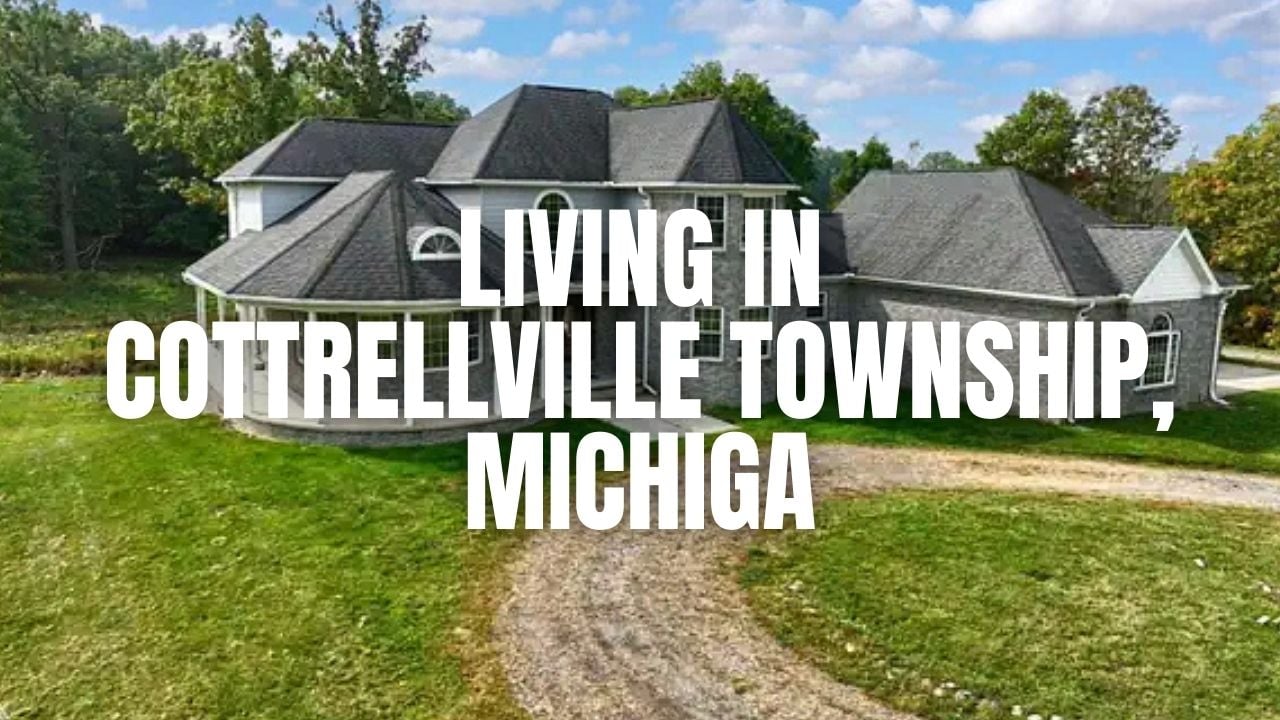
Cost of Living in Cottrellville Township, Michigan
The cost of living in Cottrellville Township tends to reflect its rural character.
Housing costs are typically lower than many suburban communities closer to Detroit. According to data from the U.S. Census Bureau and Niche.com, home values in smaller townships in St. Clair County often fall below statewide averages.
BestPlaces.net reports that many communities in this region of Michigan have cost-of-living indexes below the national average.
Utilities and transportation costs generally align with regional Midwest averages reported by the Bureau of Labor Statistics.
However, residents in rural townships may travel farther for certain services, which can influence transportation expenses depending on commute patterns.
Real Estate & Housing Overview
Housing in Cottrellville Township is largely made up of single-family homes, with a mix of rural and waterfront properties.
According to U.S. Census Bureau housing data:
Many homes were built between the 1950s and 1990s
Owner-occupied housing makes up the majority of properties
Lot sizes are often larger than typical suburban subdivisions
Common property types include:
Ranch-style homes on larger lots
Rural homes with acreage
Waterfront homes along the St. Clair River
Older farmhouses in agricultural areas
New construction does occur occasionally, but development is generally limited compared to rapidly growing suburban markets. Local MLS data shows that riverfront properties tend to command higher prices due to water access.
Overall, the housing market tends to move at a steadier pace than larger metro areas.





Michigan's FASTEST Growing Towns Are Losing Value (Here's …
Michigan is growing, but home prices are…
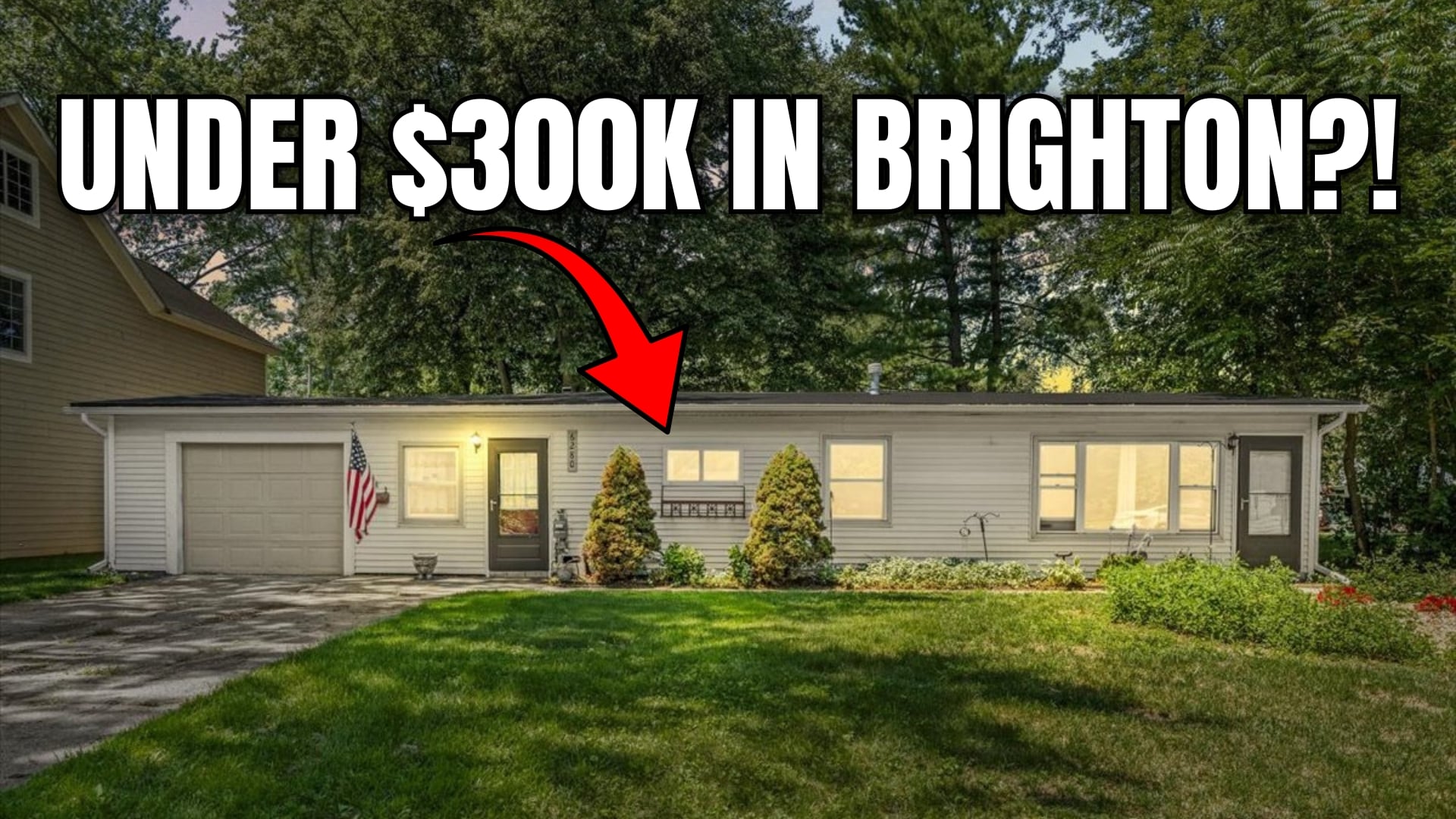
The Most Connected Home in Brighton, Michigan | …
6280 Beth Rd, Brighton, MI: move-in-ready 3-bed,…