Introduction
If you’re searching for wide open space, quieter surroundings, and rural Michigan living, Dayton Township may be a place worth considering.
Located in Tuscola County in Michigan’s Thumb region, Dayton Township offers a lifestyle centered around open farmland, small-town access, and lower housing density compared to major metropolitan areas.
People considering Dayton Township often appreciate the space, slower pace, and proximity to nearby towns like Caro for everyday services. Like any rural area, though, living here comes with trade-offs — including commute distances and fewer nearby urban amenities.
This guide walks through the cost of living, housing options, schools, property taxes, and daily lifestyle considerations for Dayton Township, Michigan.
Cost of Living in Dayton Township, Michigan
The cost of living in Dayton Township is typically lower than in many urban areas of Michigan.
Housing costs are one of the primary factors contributing to this. According to U.S. Census Bureau housing data for Tuscola County, median home values in the region are generally lower than Michigan statewide averages.
Niche.com also reports that housing costs in Tuscola County tend to be more affordable than in many parts of Metro Detroit.
Utilities and transportation expenses are generally consistent with regional Midwest averages, based on data from the Bureau of Labor Statistics.
BestPlaces.net indicates that smaller rural communities often see lower housing costs but slightly higher transportation costs due to commuting distances.
Overall expenses depend heavily on property size, commute distance, and lifestyle preferences.
Real Estate & Housing Overview
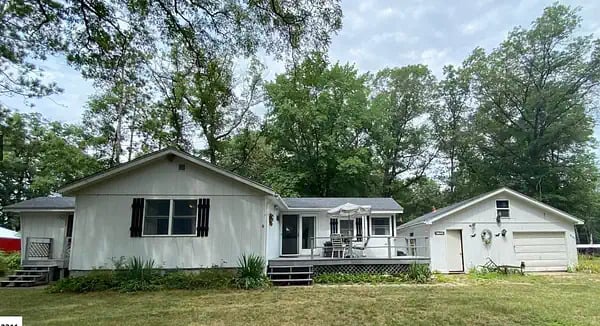
Housing in Dayton Township reflects its rural setting.
According to U.S. Census Bureau housing data for Tuscola County, many homes in the area were built between the 1950s and 1990s, though older farmhouses are also common.
Typical housing characteristics include:
Ranch-style homes on larger lots
Farmhouses on acreage
Manufactured homes in rural residential areas
Properties with agricultural land or outbuildings
Lot sizes are generally larger than those found in suburban developments.
New construction does occur, but it is typically limited to individual homes rather than large-scale subdivisions. Rural property development patterns often depend on available land and zoning regulations.
Local MLS data indicates that inventory in rural markets can fluctuate due to lower overall transaction volume.



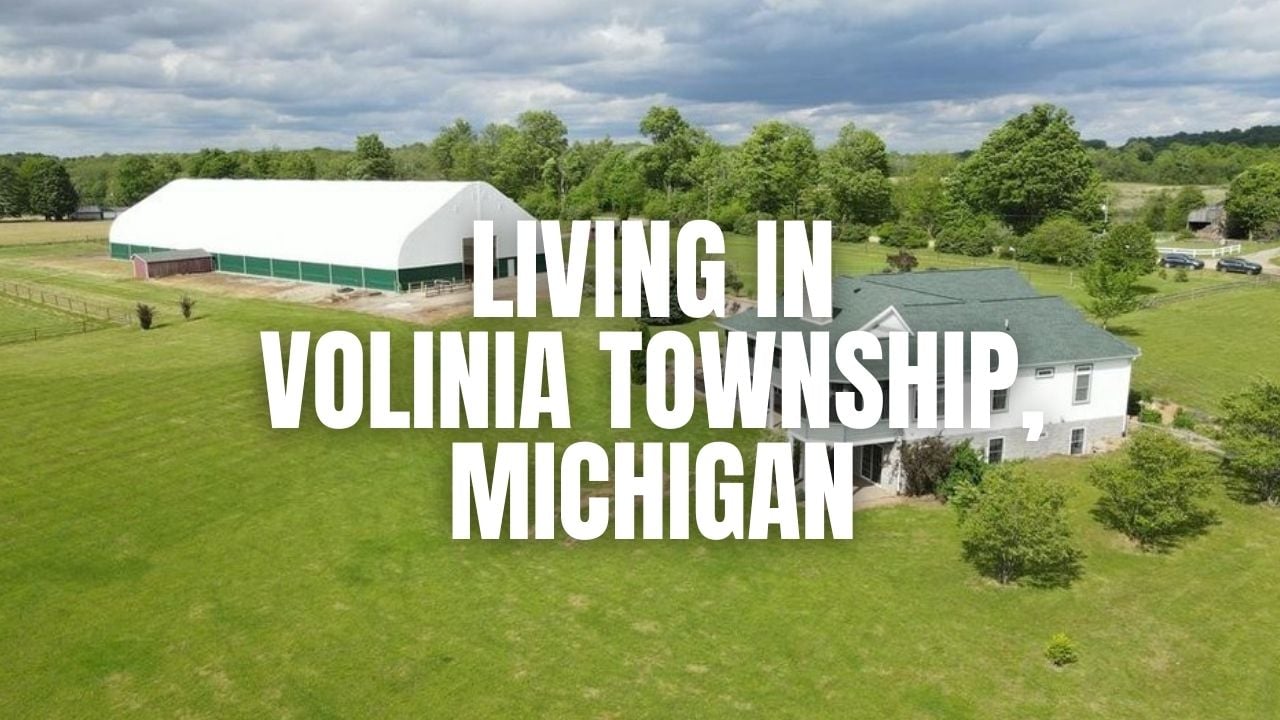
Is Volinia Township, Michigan a Good Place to …
Volinia Township, Michigan is one of Cass…
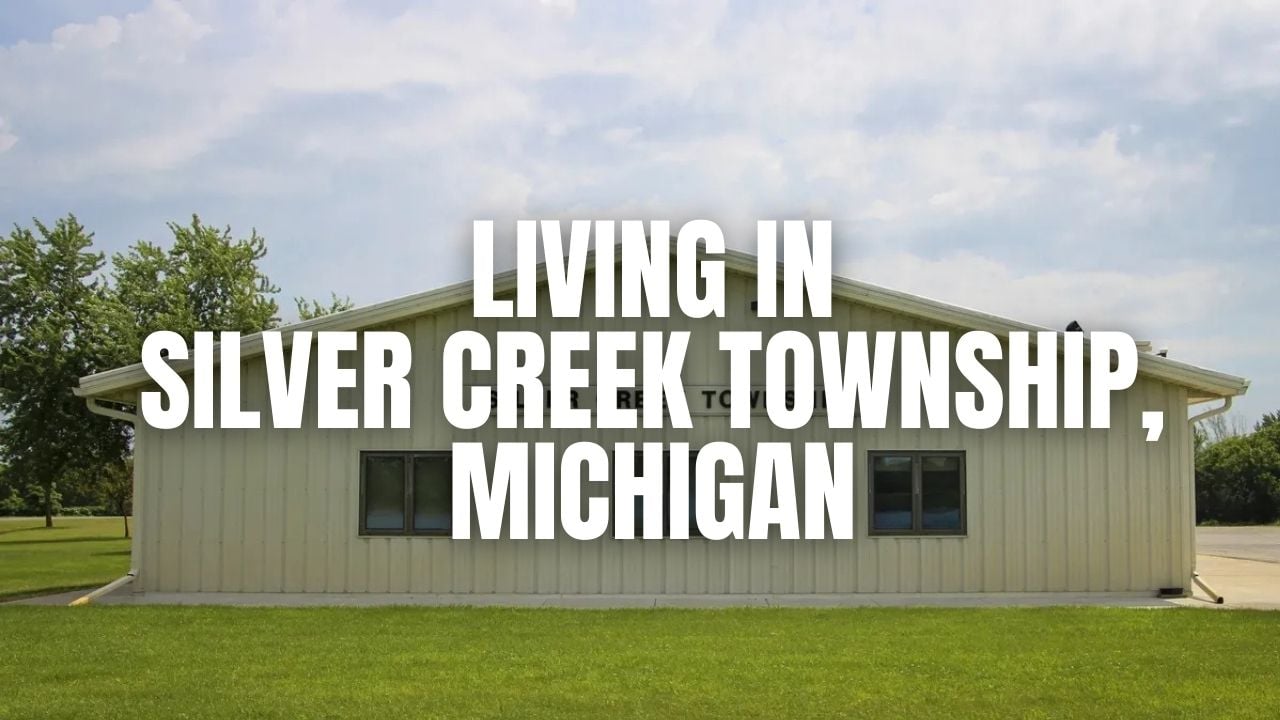
Moving to Silver Creek Township, Michigan? What to …
Silver Creek Township, Michigan is where Cass…
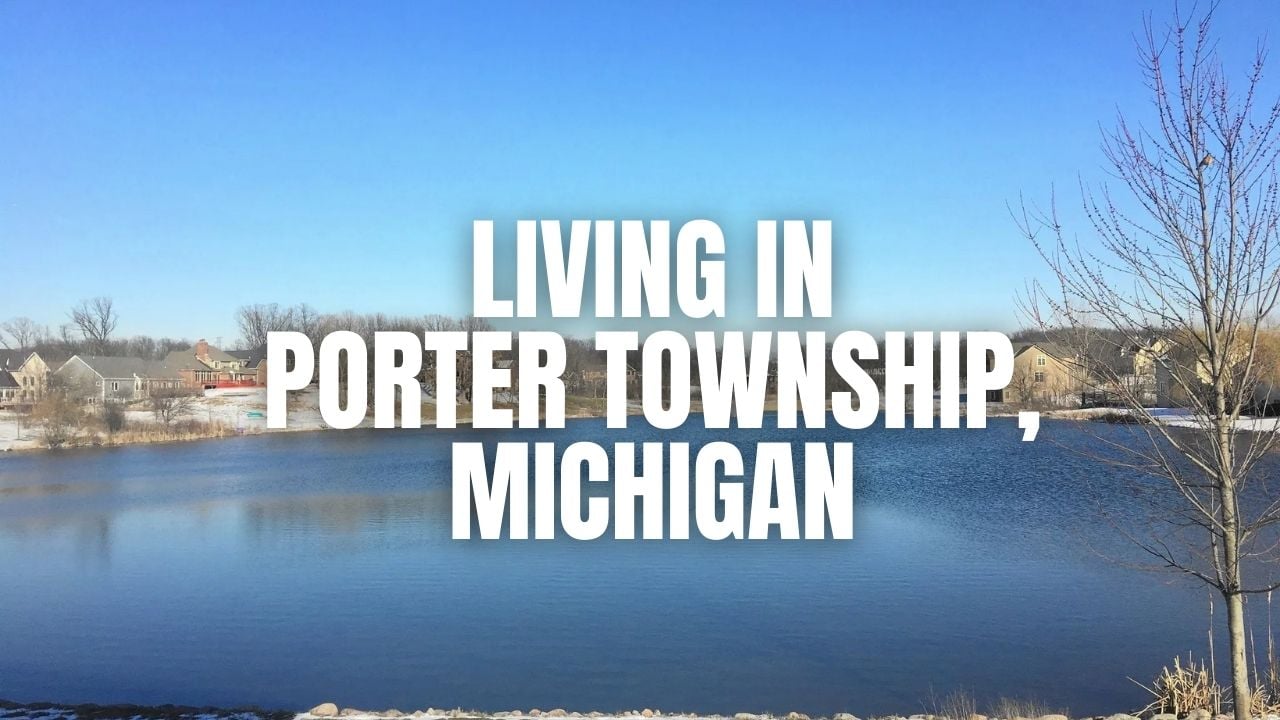
Living in Porter Township (Cass County), Michigan: Pros, …
Porter Township, Michigan is a lake-studded rural…