
Introduction
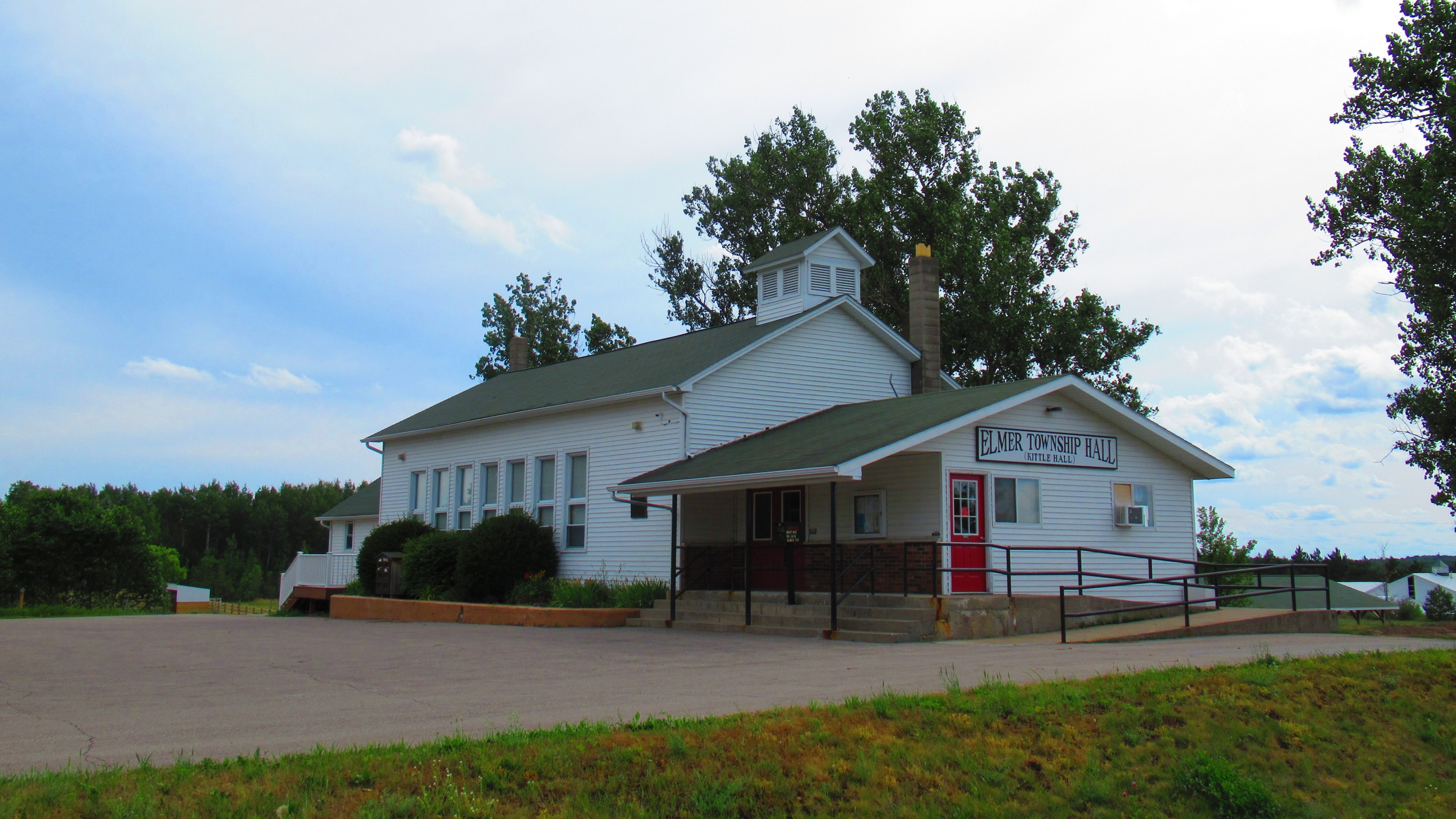
If you’re searching for wide-open space, minimal traffic, and a rural setting in Michigan’s Thumb region, Elmer Township, Michigan may be worth a closer look.
Located in Sanilac County, Elmer Township is primarily agricultural, with farmland and low-density residential properties defining much of the landscape. It’s not a place for high-rise condos or bustling nightlife — and that’s exactly why some people consider it.
In this guide, we’ll break down what it’s like to live in Elmer Township, including cost of living, real estate trends, commute considerations, property taxes, and everyday lifestyle factors.

Cost of Living in Elmer Township, Michigan
Because Elmer Township is a rural community, housing costs tend to differ from more densely populated areas.
According to U.S. Census Bureau data for Sanilac County, median home values are generally below Michigan’s statewide median. Niche.com also reports that overall housing costs in Sanilac County are lower than many urban counties in Michigan.
BestPlaces.net indicates that Sanilac County’s overall cost of living index is below the national average.
Utility and transportation costs typically align with statewide averages, based on Bureau of Labor Statistics regional Midwest data. However, rural living can mean higher transportation expenses due to longer commute distances.
As always, actual costs depend on property type, acreage, and proximity to services.
Real Estate & Housing Overview
Real estate in Elmer Township primarily consists of:
Single-family homes
Farmhouses
Properties with acreage
Agricultural land
According to U.S. Census Bureau housing data for Sanilac County, many homes were built between the 1940s and 1980s, though older farm properties also exist.
Lot sizes in Elmer Township are typically larger than suburban standards, often measured in acres rather than fractions of an acre.
New construction activity is limited compared to growth-focused suburban markets. Most transactions involve resale homes or vacant land.
Local MLS data for Sanilac County generally reflects a lower price point than Michigan’s statewide median, though inventory levels can fluctuate in rural markets.



Is Volinia Township, Michigan a Good Place to …
Volinia Township, Michigan is one of Cass…
Moving to Silver Creek Township, Michigan? What to …
Silver Creek Township, Michigan is where Cass…
Living in Porter Township (Cass County), Michigan: Pros, …
Porter Township, Michigan is a lake-studded rural…