
Michigan and Wisconsin have always shared a friendly rivalry, but if you’ve been watching the migration numbers lately, you might feel like everyone is leaving Wisconsin for Michigan. While that’s an exaggeration, the trend is real — and growing. This isn’t about one state being “better” than the other. It’s about understanding why thousands of Wisconsin residents are choosing to relocate to the Mitten State each year.
According to the U.S. Census Bureau, more than 4,200 people moved from Wisconsin to Michigan in 2022 alone, placing Wisconsin among the top states sending new residents to Michigan. People make the move for all kinds of reasons — affordability, job opportunities, lifestyle changes, retirement planning, and access to outdoor living.
This migration isn’t about “escaping” Wisconsin. Many Wisconsinites simply find that Michigan better aligns with their current priorities — especially when it comes to cost of living, taxes, recreation, and housing affordability.
Michigan vs. Wisconsin Cost of Living
Cost of living is the major driver behind the trend. Michigan currently holds a cost-of-living index of 90.4, ranking it the 9th most affordable state in the U.S. Wisconsin sits at 96.5.
Here’s where Michigan comes out ahead:
- Childcare costs: 28% cheaper
- Clothing: ~12% cheaper
- Entertainment & sports: ~8% cheaper
- Restaurants: 1.8% cheaper
- Median home price in MI (2025): ~$265,000
- Median home price in WI: ~$323,900
That’s nearly a $71,000 difference — and in some Michigan cities like Lansing, Jackson, Saginaw, or Muskegon, the average home price can be far lower. This gives new residents more flexibility, buying power, and financial breathing room.

Taxes: How Michigan and Wisconsin Compare
Taxes are another major factor in relocation decisions.
- Michigan income tax: 4.25% flat rate
- Wisconsin income tax: Tiered system up to 7.65%
WalletHub’s 2024 “Tax Burden by State” ranking lists:
- Wisconsin: 8.31% total tax burden
- Michigan: 8.25%
It’s not a huge spread, but predictable taxes — especially for retirees, small business owners, and professionals with variable income — often make Michigan appealing.
Job Market & Economic Opportunities
Both states have strong industries, but Michigan is seeing rapid expansion in emerging fields. In 2024 alone, Michigan added over 50,000 new jobs, concentrated in:
- Healthcare
- Advanced mobility (EVs & battery tech)
- Professional services
- Engineering & R&D
- Creative and technology sectors
Cities like Ann Arbor, Detroit, Grand Rapids, Lansing, Novi, and Auburn Hills continue to attract major employers and investment.
Wisconsin remains steady — Milwaukee reached a job record in 2024 — but opportunities can be more regionally dependent. For those looking to shift into tech, healthcare, or mobility industries, Michigan often presents more diverse pathways.
Michigan’s Outdoor Lifestyle Advantage
Neither state is tropical, but Michigan has a geographical edge that’s hard to beat:
The largest freshwater coastline in the United States.
With over 11,000 inland lakes, four Great Lakes, and endless trails, dunes, and forests, Michigan is a year-round playground:
- Sleeping Bear Dunes
- Pictured Rocks
- Porcupine Mountains
- Paint Creek Trail
- Clinton River Trail
- Mackinac Island
- Marquette mountain biking & skiing
Wisconsin has beautiful lakes and outdoor recreation too, but Michigan offers significantly more shoreline access statewide.

Michigan’s Urban Lifestyle & Cultural Appeal
Both states share Midwestern roots — Friday fish fries, community pride, sports rivalries, small-town charm. But Michigan provides more urban variety at a generally more affordable price point:
- Detroit – world-class music, sports, dining, and a major revival
- Grand Rapids – craft beer capital and a fast-growing cultural hub
- Ann Arbor – top-tier university town with global appeal
- Traverse City – wine country + coastal vibes without coastal pricing
This balance of city amenities and small-town affordability is a major draw for young professionals, families, and retirees.
Who Is Moving From Wisconsin to Michigan?
Retirees
They’re seeking lower-cost lake living, strong healthcare options (Ann Arbor, Grand Rapids, Traverse City), and predictable tax structures.
Young families
They want affordable homes with more space, shorter commutes, and access to safe, community-focused neighborhoods. Cities like Howell, Midland, South Lyon, and Zeeland are extremely popular.
Remote workers
Michigan's improvements in broadband access — especially in suburbs and mid-sized towns — have given remote workers more flexibility than some parts of rural Wisconsin.
The Honest Downsides
Michigan is not perfect. Common complaints include:
- Potholes (a statewide inside joke… that isn’t always a joke)
- Limited public transit in many areas
- Harsh winter conditions depending on the region
Wisconsin isn’t perfect either:
- Rising housing prices in Madison and Milwaukee
- Population decline in certain counties
- Limited job growth in rural areas
It’s not about perfection — it’s about fit.

Why People Choose Michigan Right Now
Michigan is attracting movers because it provides:
- More affordable homes
- Lower childcare and essential costs
- Predictable taxes
- Massive freshwater access
- Expanding job sectors
- Urban options without big-city price tags
- A variety of lifestyle choices
For many former Wisconsin residents, Michigan checks more boxes than it used to.
FAQs About Moving From Wisconsin to Michigan
Is Michigan cheaper than Wisconsin?
Yes, in most categories, including housing, childcare, and essentials.
Are Michigan winters worse?
It depends on the region. The Upper Peninsula can be harsher, but southern Michigan winters are comparable to or milder than parts of Wisconsin.
Are the job markets similar?
Both states are strong, but Michigan currently shows faster growth in healthcare, EV mobility, and technology.
Is Michigan good for retirees?
Many retirees appreciate the lake access, flat tax structure, and robust healthcare systems.
What cities do Wisconsin residents move to most?
Common destinations include Grand Rapids, Ann Arbor, Detroit suburbs, Traverse City, Midland, and Kalamazoo.



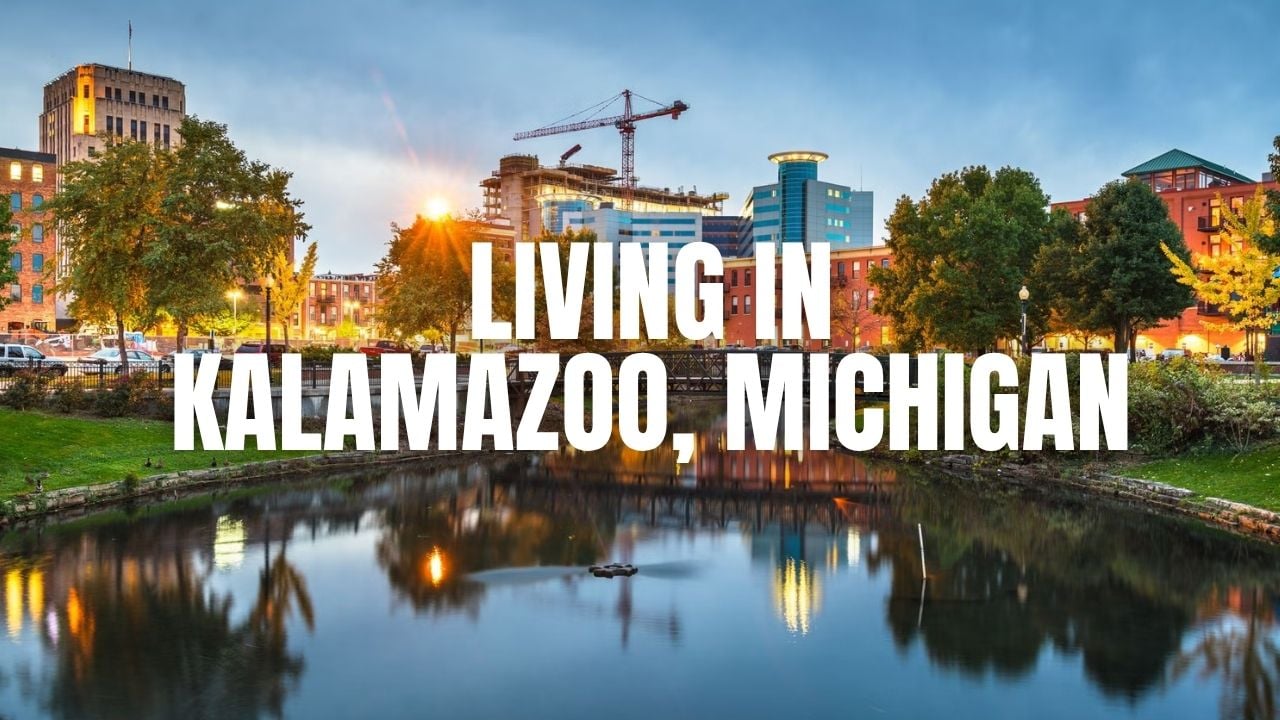
Thinking About Kalamazoo, Michigan? A practical guide
Thinking about moving to Kalamazoo, Michigan? This…
Galesburg, Michigan Living Guide: The Ultimate living guide
Galesburg, Michigan is a small Kalamazoo County…
Vandalia, Michigan: Best Neighborhood Pockets + Pros/Cons for …
Vandalia, Michigan is an incorporated village of…