
Introduction
If you’re searching for wide-open space, agricultural surroundings, and a slower pace of life, Flynn Township, Michigan may be exactly what you’re looking for.
Located in Sanilac County in Michigan’s Thumb region, Flynn Township is a rural community where land parcels are larger, traffic is minimal, and daily life tends to move at a steady, predictable rhythm. This isn’t a bustling suburb — and that’s precisely the appeal for many buyers.
In this guide, we’ll walk through what it’s really like to live in Flynn Township, including cost of living, housing styles, property taxes, schools, and lifestyle considerations so you can decide whether it aligns with your goals.
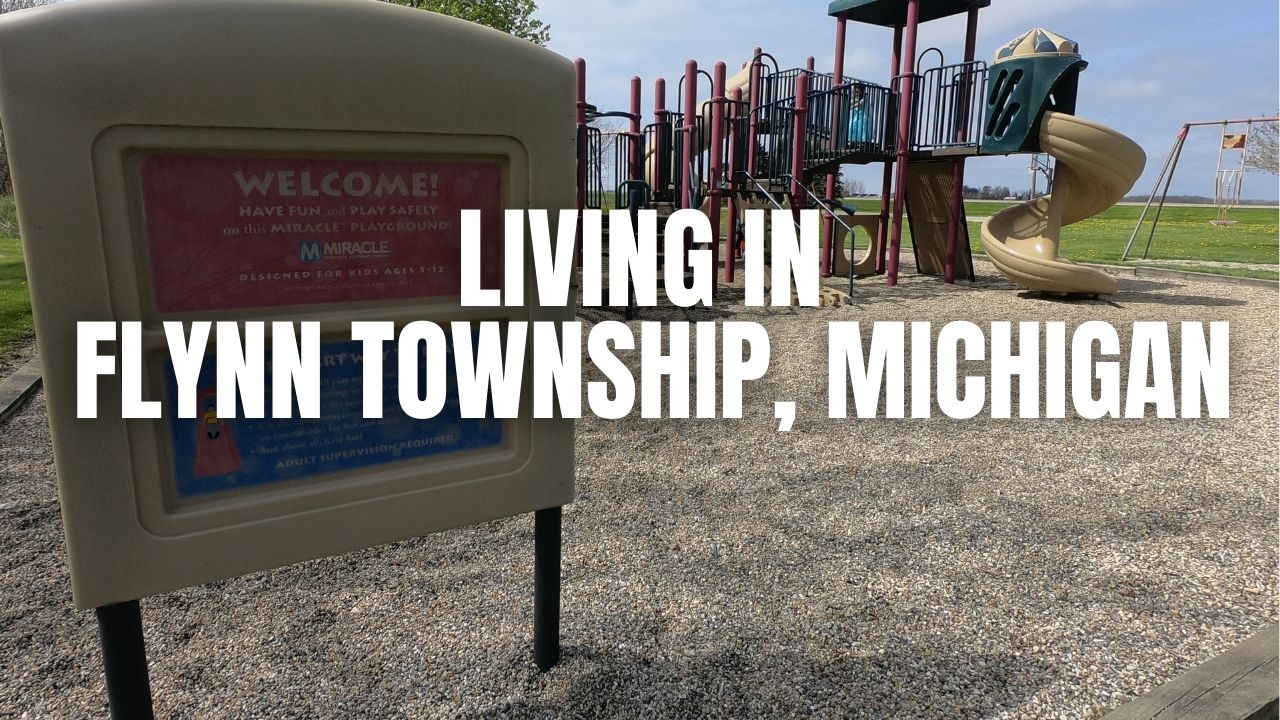
Cost of Living in Flynn Township, Michigan
Because Flynn Township is rural, housing costs tend to reflect agricultural land values and lower-density development.
According to U.S. Census Bureau data for Sanilac County, median home values are generally below the Michigan statewide median. Niche.com also reports that Sanilac County overall has a lower cost of living compared to many urban counties in Michigan.
BestPlaces.net indicates that Sanilac County’s cost of living index falls below the national average, particularly in housing-related expenses.
Utility and transportation costs align with broader Midwest regional averages, according to the Bureau of Labor Statistics. However, transportation expenses may vary depending on commute distance since most errands and employment centers require driving.
As with any rural area, individual costs depend heavily on property size, heating sources, and commuting patterns.
Real Estate & Housing Overview
Flynn Township housing primarily consists of single-family homes on larger parcels of land.
Based on U.S. Census Bureau housing data for rural Sanilac County areas:
Many homes were constructed between the 1940s and 1990s
Agricultural properties and farmhouses are common
Detached single-family homes dominate the housing stock
Lot sizes are typically much larger than those found in suburban developments, and it’s common to see homes situated on multiple acres.
New construction exists but is limited compared to high-growth suburban markets. Development tends to be individual custom builds rather than large subdivisions.
Market activity is generally steady and influenced by regional economic conditions rather than rapid population growth.



Is Volinia Township, Michigan a Good Place to …
Volinia Township, Michigan is one of Cass…
Moving to Silver Creek Township, Michigan? What to …
Silver Creek Township, Michigan is where Cass…
Living in Porter Township (Cass County), Michigan: Pros, …
Porter Township, Michigan is a lake-studded rural…