Introduction
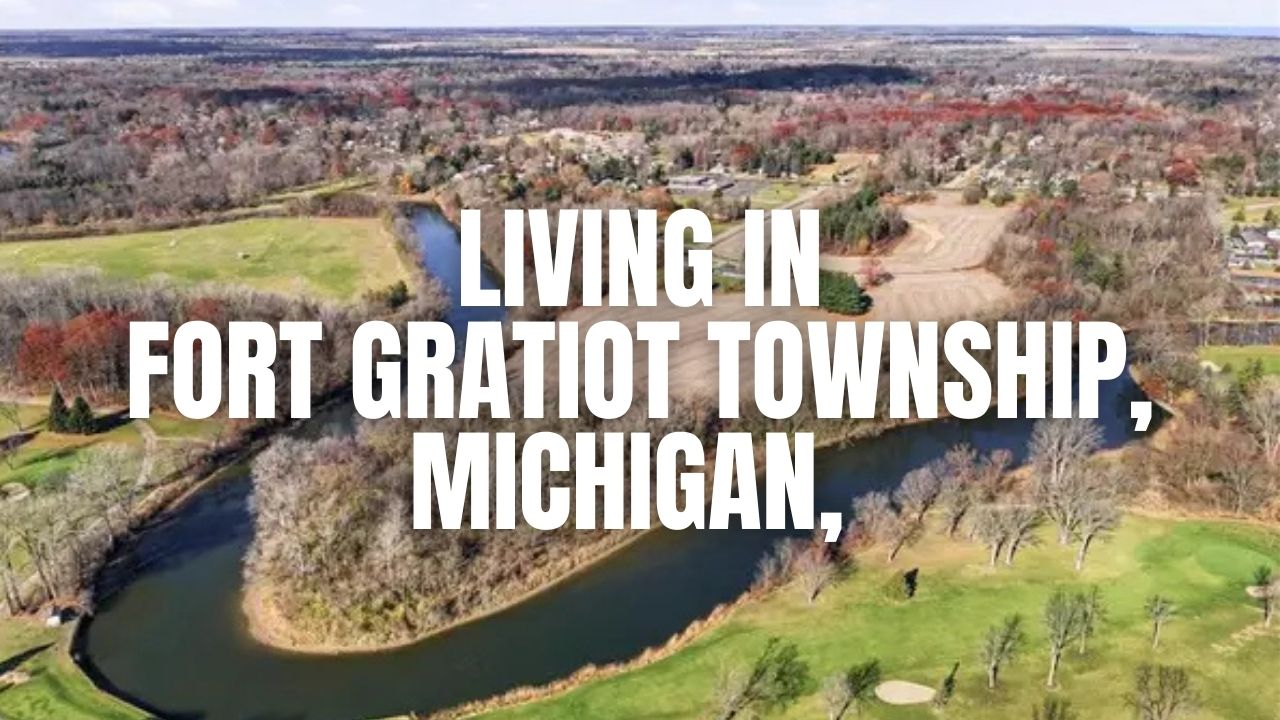
If you’re looking for a community near Lake Huron that combines suburban convenience with outdoor access, Fort Gratiot Township, Michigan often comes up in relocation searches.
Located just north of Port Huron in St. Clair County, Fort Gratiot Township is known for its retail centers, lakeshore access, and established residential neighborhoods. Some people move here because it offers close proximity to Lake Huron while still maintaining easy access to regional highways.
Like any place, living here has both advantages and considerations. In this guide, we’ll walk through what it’s actually like to live in Fort Gratiot Township — including housing options, cost of living, property taxes, schools, and everyday lifestyle.
Cost of Living in Fort Gratiot Township, Michigan
The cost of living in Fort Gratiot Township is generally considered moderate compared to many Michigan communities.
According to U.S. Census Bureau housing data, median home values in the township are typically below the statewide median. Niche.com also notes that housing affordability is one of the township’s notable characteristics.
BestPlaces.net reports that the overall cost of living index for the area is near or slightly below the national average.
Utility costs and transportation expenses generally align with Michigan averages based on Midwest regional data from the Bureau of Labor Statistics.
However, individual expenses can vary depending on housing choices, commute distances, and lifestyle preferences.
Real Estate & Housing Overview
Housing in Fort Gratiot Township consists mostly of suburban-style neighborhoods developed over several decades.
According to U.S. Census Bureau housing data:
Many homes were built between the 1960s and early 2000s
Owner-occupied housing represents the majority of properties
Typical lot sizes are consistent with suburban neighborhoods
Common home styles include:
Ranch-style homes
Split-level homes
Two-story suburban builds
Some newer developments on the outskirts of the township
Limited lakefront properties are available closer to the Lake Huron shoreline.
New construction does occur but is generally smaller in scale compared with rapidly expanding suburban counties closer to Detroit.
Local MLS activity typically reflects steady demand due to the township’s proximity to Port Huron retail and employment centers.




Michigan's FASTEST Growing Towns Are Losing Value (Here's …
Michigan is growing, but home prices are…
The Most Connected Home in Brighton, Michigan | …
6280 Beth Rd, Brighton, MI: move-in-ready 3-bed,…