
Introduction
If your home search checklist includes space, privacy, and a quieter pace, Goodland Township, Michigan is one of those places that deserves a closer look.
Located in Lapeer County, Goodland Township offers a rural lifestyle while still providing access to nearby cities like Imlay City and Lapeer. Many people consider living here for the larger properties, lower housing density, and opportunity to enjoy open surroundings without being completely isolated.
This guide walks through what it’s like to live in Goodland Township — from housing and property taxes to cost of living and lifestyle — so you can decide whether it aligns with your long-term goals.
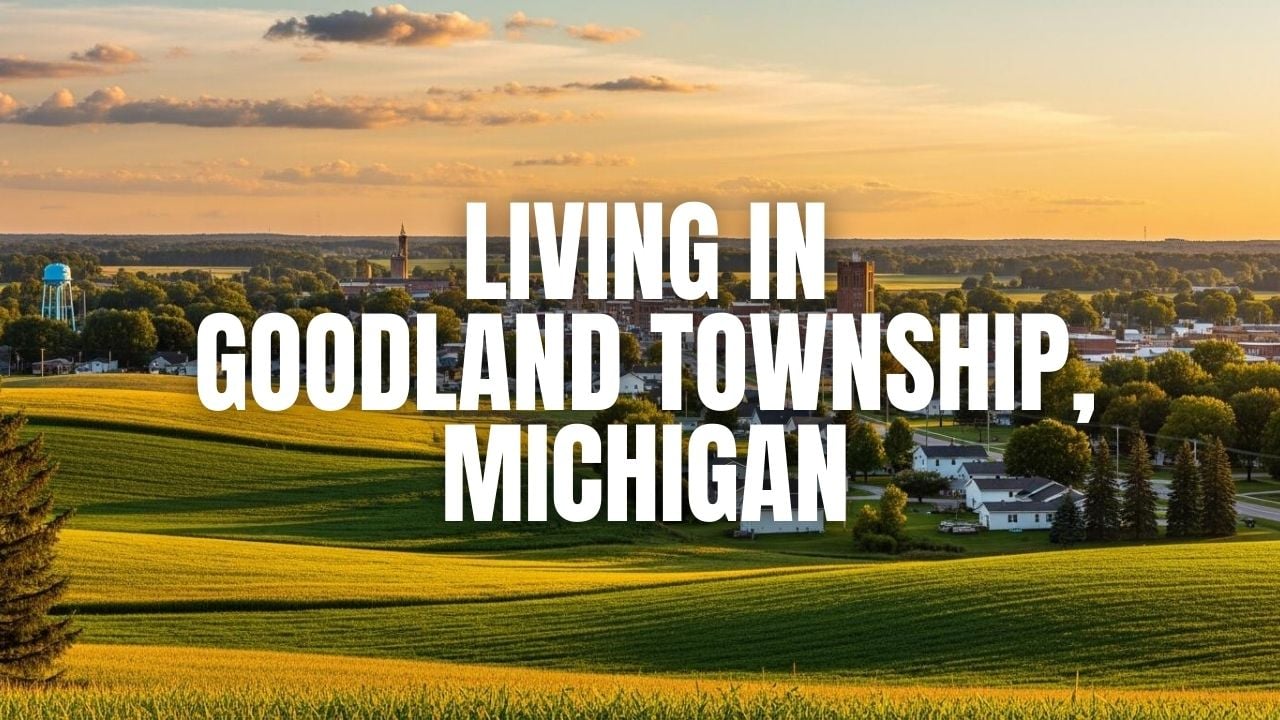
Cost of Living in Goodland Township, Michigan
The cost of living in Goodland Township is closely tied to housing and transportation.
According to the U.S. Census Bureau, rural townships in Lapeer County generally have lower housing density and a high percentage of owner-occupied homes. Housing costs in Lapeer County overall tend to be below the national average, according to BestPlaces.net.
Niche.com also reports that housing affordability is one of the key factors that draws buyers to smaller communities in Lapeer County.
Transportation costs may vary depending on commute distance, as most residents rely on personal vehicles. According to the Bureau of Labor Statistics, transportation is a major household expense category nationwide, especially in areas without public transit.
Utilities and other living expenses are typically in line with Michigan statewide averages.
Real Estate & Housing Overview
Real estate in Goodland Township consists primarily of single-family homes, many with larger lot sizes compared to suburban areas.
According to U.S. Census Bureau housing data:
Detached single-family homes make up the majority of the housing stock
Many homes were built between the 1970s and early 2000s
Properties often include larger yards or acreage
You’ll find:
Ranch-style homes
Traditional two-story homes
Homes with acreage or agricultural zoning
Custom-built homes in rural settings
New construction is more limited compared to growing suburban areas, but it does occur periodically depending on land availability and market demand.
Housing inventory levels are typically lower than in larger cities, which is common for rural townships.



Is Volinia Township, Michigan a Good Place to …
Volinia Township, Michigan is one of Cass…
Moving to Silver Creek Township, Michigan? What to …
Silver Creek Township, Michigan is where Cass…
Living in Porter Township (Cass County), Michigan: Pros, …
Porter Township, Michigan is a lake-studded rural…