
Introduction
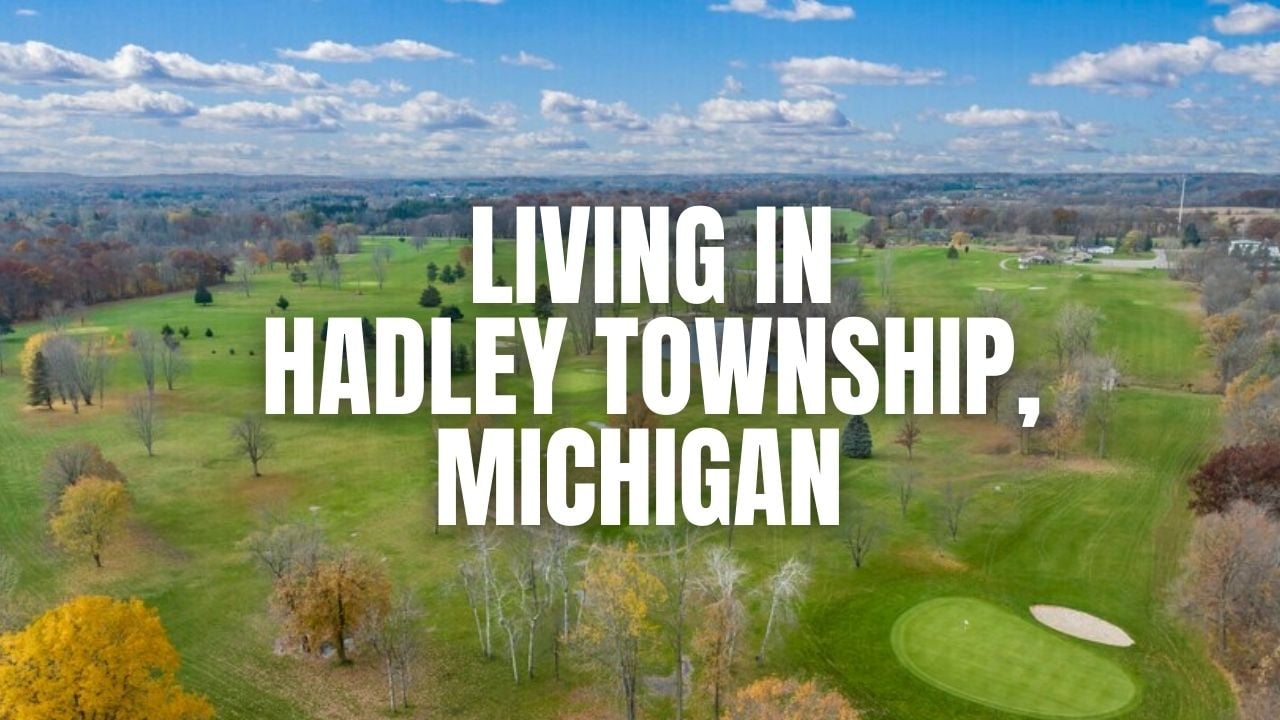
Hadley Township, Michigan is one of those places people discover when they’re looking for more space, quieter surroundings, and a slower pace than busy suburban areas.
Located in Lapeer County, Hadley Township offers a rural setting with larger properties, open landscapes, and convenient access to nearby cities like Lapeer, Flint, and parts of Metro Detroit. Many homebuyers consider the area when they want privacy and land while still being within driving distance of work, shopping, and amenities.
This guide covers housing, cost of living, schools, property taxes, and lifestyle in Hadley Township so you can make an informed decision if you’re considering relocating.
Cost of Living in Hadley Township, Michigan
Cost of living in Hadley Township is largely driven by housing, transportation, and utility expenses.
According to the U.S. Census Bureau, Hadley Township housing primarily consists of owner-occupied single-family homes, which often include larger lot sizes compared to suburban neighborhoods.
BestPlaces.net reports that Lapeer County overall has a cost of living index below the national average, particularly in housing expenses.
Transportation costs can vary depending on commute distance. The Bureau of Labor Statistics reports that transportation is one of the largest household expenses in areas where residents rely heavily on personal vehicles.
Utilities typically align with Michigan statewide averages, though costs vary depending on home size, heating type, and energy use.
Real Estate & Housing Overview
Hadley Township’s housing market is defined by lower-density residential development and rural properties.
According to U.S. Census Bureau housing data:
Most homes are single-family detached residences
Many homes were built between the 1970s and early 2000s
Larger lot sizes are common compared to suburban communities
Common housing styles include:
Ranch-style homes
Traditional two-story homes
Custom-built homes on acreage
Newer homes in limited residential developments
MLS listings typically show lower overall housing inventory than suburban areas, which is consistent with rural townships where development occurs more gradually.
New construction is present but less widespread than in high-growth suburban regions.



Is Volinia Township, Michigan a Good Place to …
Volinia Township, Michigan is one of Cass…
Moving to Silver Creek Township, Michigan? What to …
Silver Creek Township, Michigan is where Cass…
Living in Porter Township (Cass County), Michigan: Pros, …
Porter Township, Michigan is a lake-studded rural…