
If you’re selling a home in Michigan, the process can feel overwhelming because you’re juggling two things at once: the financial side (pricing, net proceeds, timing) and the logistics side (prep, showings, paperwork, inspections, closing).
This guide walks you through a clear, self-explanatory process that Michigan homeowners can follow whether you’re selling in Metro Detroit, Ann Arbor, Grand Rapids, Lansing, or a smaller town. It’s designed to answer the real questions sellers Google at 11:30 p.m. when they’re debating if now is the right time.
If you want the “short path” and a professional plan built around your home, your timeline, and your local market, start here: Sell with Living in Michigan.

Step 1: Decide Your Goal and Your Timeline First
Before pricing or painting anything, define the real goal:
- Are you trying to net a specific amount?
- Are you trying to move by a deadline (job, school, divorce, estate, downsizing)?
- Are you trying to sell and buy without needing temporary housing?
Your timeline drives your strategy. A seller who needs top dollar in 60–90 days makes different decisions
than a seller who needs to be out in 21 days.
Step 2: Understand What Buyers Are Comparing You Against
In Michigan in 2026, buyers are typically more payment-conscious than during the 2021–2022 market. That means your home is competing against:
- Similar resale homes
- New construction (often with builder incentives)
- Homes that look “move-in ready” online
Your competition isn’t your neighbor’s opinion of what the home is worth. It’s what buyers can click on in 10 seconds.
Step 3: Get a Pricing Plan That Matches Michigan Reality
The fastest way to make a Michigan listing sit is to price based on:
- What it “should” be worth
- The peak sale down the street from a different condition or home style
- The Zestimate alone
A smarter approach is pricing based on:
- Recent closed sales (true comparable properties)
- Current active competition
- The buyer pool at your price point (who can actually qualify and at what payment)
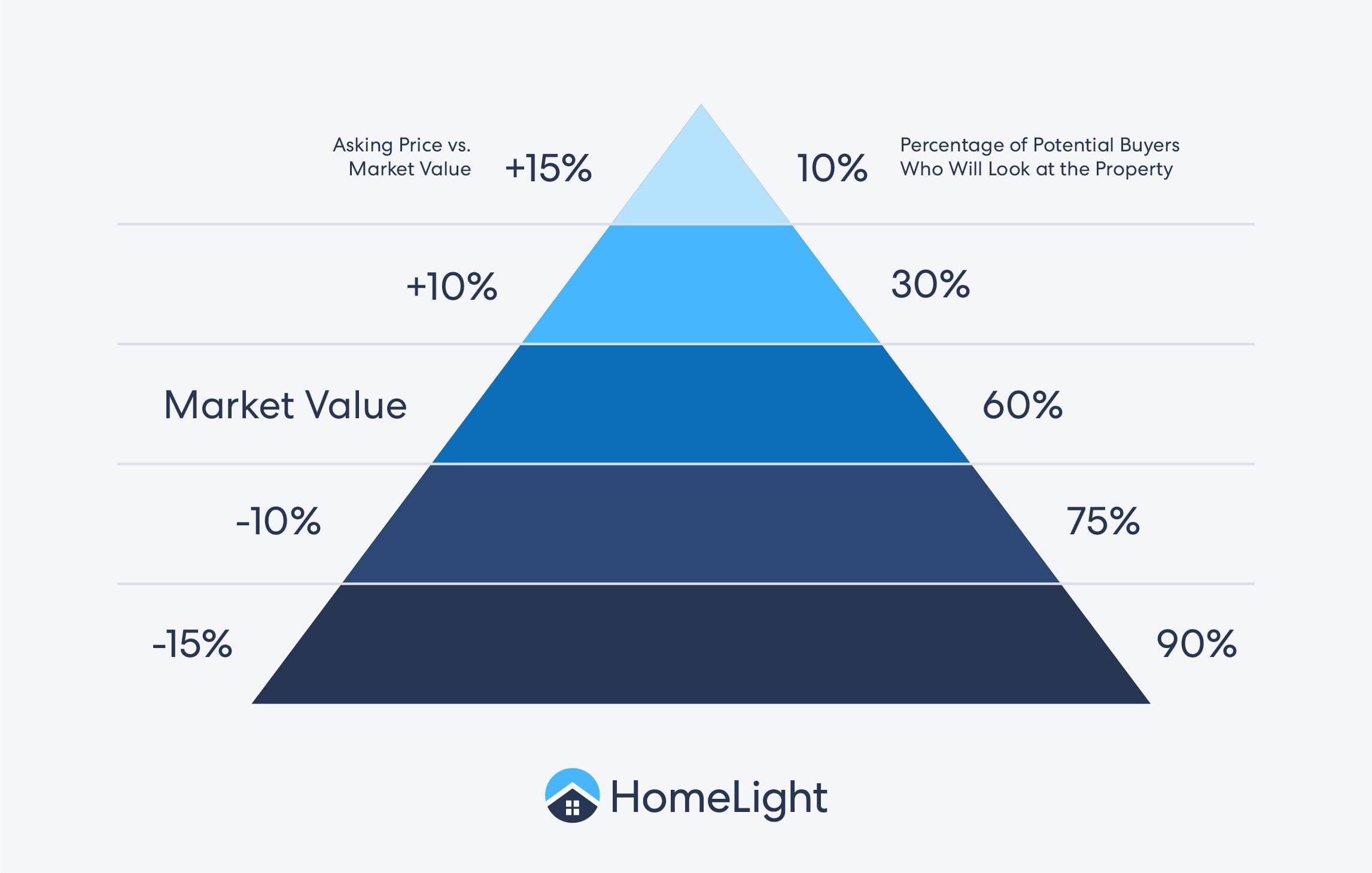
In Michigan, even a small pricing gap can change your showing volume dramatically. A home priced correctly often gets early momentum. A home priced high often gets saved online but not scheduled.
Step 4: Prep the Home Like a Product (Not a Personal Space)
You don’t need a full renovation to sell well, but you do need a plan. Most Michigan sellers win by focusing on improvements that show up best online and reduce buyer objections.
The highest ROI prep categories usually include:
- Decluttering (less visual noise equals more perceived space)
- Deep cleaning (especially kitchens, bathrooms, and floors)
- Paint touch-ups in neutral tones
- Fixing obvious deferred maintenance items
- Improving lighting (bright spaces sell better)
- Curb appeal basics (door, mulch, trimming, exterior cleanup)
If the home is older (common in many Michigan areas), buyers are often scanning for risk. Your prep should reduce perceived risk.
Step 5: Decide Whether to Stage, Partially Stage, or “Photo Stage”
Staging isn’t about making your home look fancy. It’s about making it easy for buyers to understand:
- Room size
- Room purpose
- Flow and layout
- Where furniture realistically fits
In many Michigan price points, partial staging (main living areas and the primary bedroom) can be enough. For occupied homes, strategic styling often beats moving everything out.
:max_bytes(150000):strip_icc()/modern-living-room-design-ideas-4126797-hero-a2fd3412abc640bc8108ee6c16bf71ce.jpg)
Step 6: Professional Photography and Marketing (This Is Not Optional)
Most showings are won before anyone steps inside.
A strong Michigan listing typically includes:
- Professional interior and exterior photos
- Strategic twilight photo (when appropriate)
- Floor plan or measured layout (when possible)
- A compelling description that matches how buyers search
- Online distribution across major portals plus MLS exposure
In 2026, marketing matters even more because buyers compare faster and walk away faster.
Step 7: The Michigan Paperwork Sellers Should Expect to Sign
Sellers often ask, “What documents do I have to sign to sell my house in Michigan?”
Listing-side documents (before you go live):
- Listing agreement (your contract with the brokerage)
- Seller disclosures required by Michigan law
- Lead-based paint disclosure (if the home was built before 1978)
Offer and contract documents (once you accept an offer):
- Purchase agreement and addenda
- Counteroffers (if needed)
- Inspection response or repair agreements (if negotiated)
- Title and closing paperwork through the title company
Exact document packages vary by brokerage, MLS area, and transaction type. The key takeaway is that selling is structured, not chaotic.
Step 8: Showings, Feedback, and the First 10 Days Rule
In many Michigan markets, the first 7–10 days are where your listing either gains momentum or starts losing it.
During that period, you should be watching:
- How many showings you’re getting
- What buyers are saying (common feedback themes)
- Whether online views are turning into appointments
If you have traffic but no offers, the market is giving you a signal — usually about price, condition, or presentation.
If you have no traffic, it’s almost always a pricing and positioning issue.

Step 9: Offers, Negotiation, and Choosing the Right Buyer
In Michigan, the best offer is not always the highest price.
A strong seller strategy evaluates:
- Price
- Down payment strength
- Financing type
- Inspection terms
- Appraisal risk
- Closing timeline
- Buyer contingencies (such as needing to sell their home first)
A clean offer that closes with fewer surprises is often worth more than a shaky offer that looks good on paper.
Step 10: Inspection, Repairs, and Keeping the Deal Alive
Inspections are where many deals become emotional.
Most Michigan buyers will inspect. Even if you sell “as-is,” buyers can still request repairs or credits — it simply changes how you respond.
The seller’s job isn’t to fix everything. The seller’s job is to keep the deal aligned with:
- Realistic condition expectations for your home’s age
- The price point and comparable properties
- What would cause the buyer to walk away
A strong negotiation keeps the transaction moving while protecting your net proceeds.

Step 11: Appraisal and Underwriting
If your buyer is getting a mortgage, there will typically be an appraisal and underwriting process.
This is where overpricing can become an issue — even if the buyer loves the home, the lender must support the value.
Step 12: Closing Day, Transfer Taxes, and What Sellers Pay in Michigan
Closing costs vary by transaction, but Michigan sellers often ask about transfer taxes. (This is an example as all counties are different)
- State transfer tax: $7.50 per $1,000
- County transfer tax: $1.10 per $1,000
Many counties summarize the combined typical rate as $8.60 per $1,000.
Your final closing cost breakdown may also include:
- Title fees
- Negotiated seller concessions
- Prorations (property taxes, HOA dues, etc.)
Selling and Buying at the Same Time in Michigan
This is one of the biggest stress points for Michigan homeowners.
Common options include:
Option A: Sell First, Then Buy
- Lowest risk financially
- Highest certainty of budget
- Potential need for temporary housing
Option B: Buy First, Then Sell
- Less disruption
- Higher carrying cost risk (two payments)
- Requires strong qualification and planning
Option C: Contingency Strategy
- Offer contingent on selling your home (harder in competitive markets)
- Works best when your home is already listed and moving
Option D: Rent-Back or Delayed Possession
- Sell the home, then rent it back from the buyer for a short period (if negotiated)
- Helps bridge timing gaps
The best option depends on your market segment, your financial cushion, and how quickly homes like yours are selling locally.
A Simple Michigan Home Selling Timeline (What to Expect)
Many Michigan sellers want a realistic timeline. A common pattern looks like:
- Prep and strategy: 1–3 weeks
- Live on market to accepted offer: often 1–4 weeks (varies by price, area, season)
- Contract to closing: often 30–45 days depending on financing and title work
Buyers receiving mortgages must receive a Closing Disclosure at least three business days before closing (federal rule),
which is part of why closings have structure and timelines.
The Best Next Step If You’re Thinking About Selling
If you want a clear plan instead of generic advice, start here:
Sell Your Home in Michigan with Living in Michigan
And if you’re also considering relocating within Michigan (or you’re comparing regions), grab the full relocation resource:
Download the 74-Page Living in Michigan Guide
Frequently Asked Questions About Selling a Home in Michigan
How do I sell my house in Michigan step by step?
A strong Michigan selling process is: set your timeline and goal, build a pricing strategy using comps, prep the home,
get professional photography, list on the MLS, manage showings and feedback, negotiate offers, complete inspection and
appraisal steps, and close with the title company.
What documents do I have to provide when selling a house in Michigan?
Michigan sellers typically provide a Seller’s Disclosure Statement required under the Michigan Seller Disclosure Act.
If the home was built before 1978, sellers generally must complete the federal lead-based paint disclosure requirements as well.
Do I need to make repairs before selling my Michigan home?
Not always. But homes generally sell faster and with fewer concessions when obvious issues are addressed. The best approach is
prioritizing repairs that reduce buyer fear: leaks, electrical concerns, roof issues, obvious safety concerns, and deferred maintenance
that shows up in inspections.
How long does it take to sell a house in Michigan?
Many homes go under contract within a few weeks depending on price point, condition, season, and location. After an accepted offer,
closing is commonly 30–45 days depending on financing and title work.
What are typical closing costs for a seller in Michigan?
Costs vary, but Michigan sellers commonly encounter transfer taxes, title-related charges, and any concessions negotiated in the offer.
Michigan transfer taxes are often summarized as $7.50 per $1,000 state plus $1.10 per $1,000 county (commonly shown as $8.60 per $1,000
in county rate charts).
Can I sell my house in Michigan and buy another one at the same time?
Yes, and it’s common. Strategies include selling first, buying first (if you qualify), using a home-sale contingency, or negotiating a rent-back.
The right approach depends on your risk tolerance and how quickly homes like yours are selling in your local market.
Should I sell my Michigan house “as-is”?
You can, but “as-is” doesn’t prevent buyers from inspecting or negotiating. It mainly signals that the seller may be less willing to make repairs.
Many sellers still succeed “as-is” when pricing and presentation align with the home’s condition.
What should I do if my Michigan home isn’t getting showings?
Low showings usually point to pricing or presentation. In 2026, buyers compare fast online. Professional photos, accurate pricing, and clear listing
messaging are key.
What should I do if I’m getting showings but no offers?
That often means buyers like the idea of the home but not the value at the current price—especially once they compare it to other listings. Feedback
themes usually reveal whether the issue is price, condition, layout, or competition.
Do I need a real estate agent to sell a house in Michigan?
You can sell without one, but many sellers choose an agent for pricing accuracy, negotiation, marketing reach, compliance, disclosures, and transaction
management—especially if you’re also buying, relocating, or trying to maximize net proceeds.




Thinking About Kalamazoo, Michigan? A practical guide
Thinking about moving to Kalamazoo, Michigan? This…

Galesburg, Michigan Living Guide: The Ultimate living guide
Galesburg, Michigan is a small Kalamazoo County…

Vandalia, Michigan: Best Neighborhood Pockets + Pros/Cons for …
Vandalia, Michigan is an incorporated village of…