
Introduction
If you’re researching smaller rural communities in Michigan’s Thumb region, Akron Township may come up during your search.
Located in Tuscola County, Akron Township offers a quiet rural environment surrounded by farmland and small communities. For some people, the appeal is the slower pace of life, larger land parcels, and the proximity to nearby towns like Caro or Bay City.
However, rural living also comes with trade-offs such as fewer nearby services and longer drives for certain amenities. In this guide, we’ll walk through what it’s actually like living in Akron Township, Michigan — including housing, cost of living, property taxes, schools, and everyday lifestyle factors.
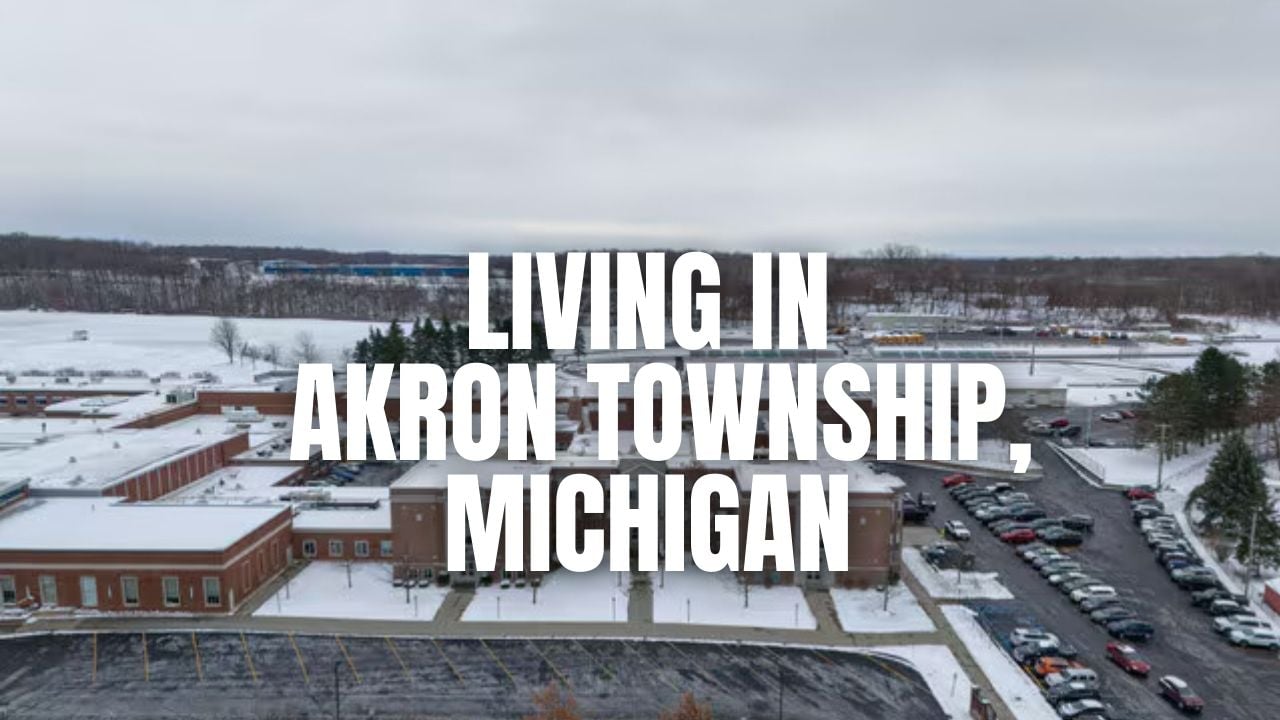
Cost of Living in Akron Township, Michigan
The cost of living in Akron Township is generally lower than in larger urban areas of Michigan.
According to U.S. Census Bureau data, housing values in many Tuscola County communities are below the Michigan statewide median. Niche.com also indicates that housing costs across the region tend to be relatively affordable compared to metropolitan areas.
BestPlaces.net reports that the overall cost of living in Tuscola County is below the national average, largely due to lower housing and land costs.
Utilities and transportation expenses generally align with Midwest averages based on Bureau of Labor Statistics regional data, although transportation costs can vary depending on commuting distance.
Because Akron Township is largely agricultural and rural, land availability can also influence property pricing.
Real Estate & Housing Overview
Real estate in Akron Township reflects its rural setting.
According to U.S. Census Bureau housing data:
Many homes were built between the 1950s and 1980s
Owner-occupied housing makes up a large portion of properties
Homes often sit on larger parcels compared to urban areas
Typical housing options include:
Single-family ranch homes
Farmhouses or rural homesteads
Properties with acreage or agricultural land
New residential construction occurs occasionally but at a slower pace than suburban growth areas.
Because the housing supply is relatively small, listings may be limited at times, and buyers often monitor inventory closely in local MLS systems.



Before You Move to Columbia Township (Tuscola County), …
Considering a move to Columbia Township, Michigan…
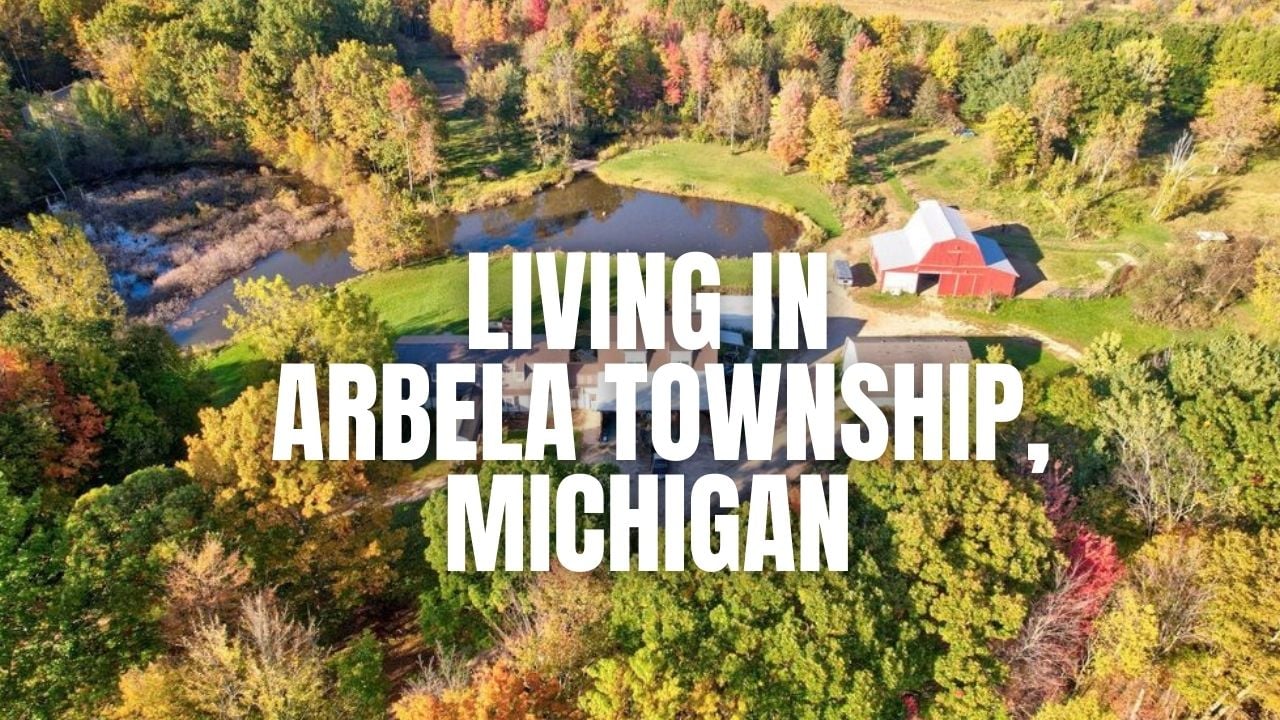
Arbela Township, Michigan Relocation Guide: Vibe, Housing, Amenities …
Considering a move to Arbela Township, Michigan?…
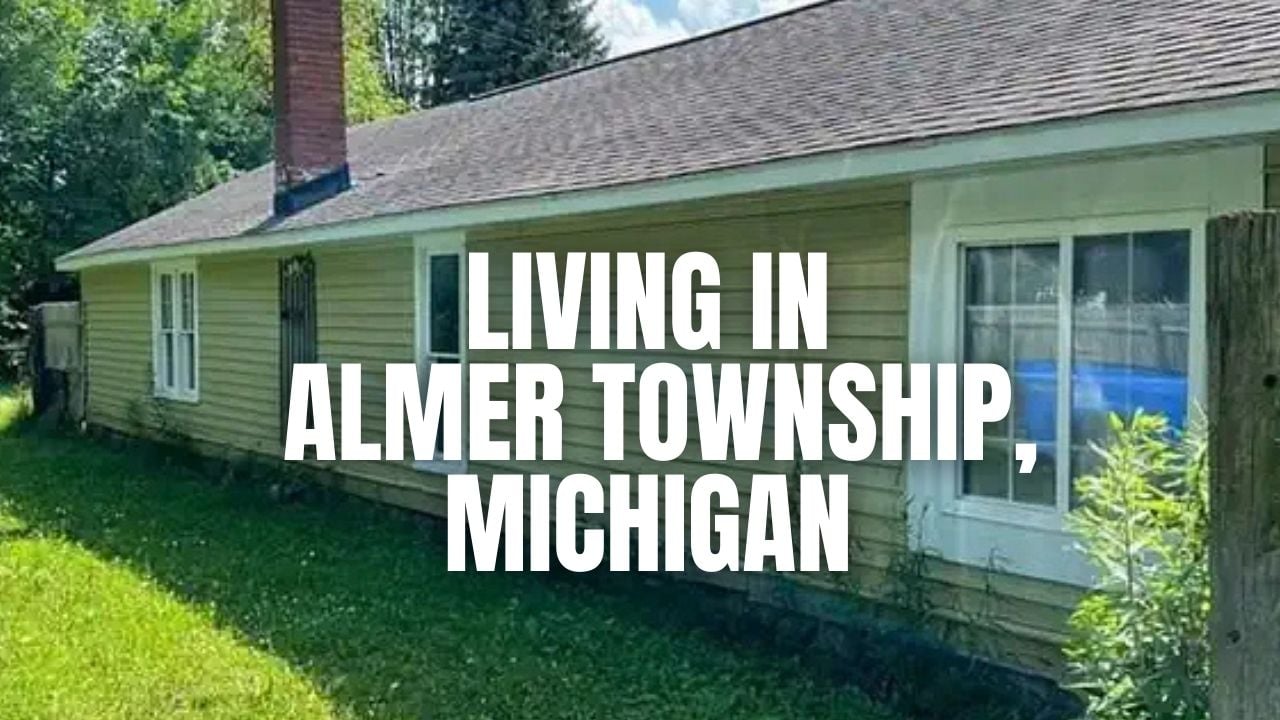
The Truth About Almer Township, Michigan: Neighborhoods, Prices, …
Thinking about moving to Almer Township, Michigan?…