
Introduction
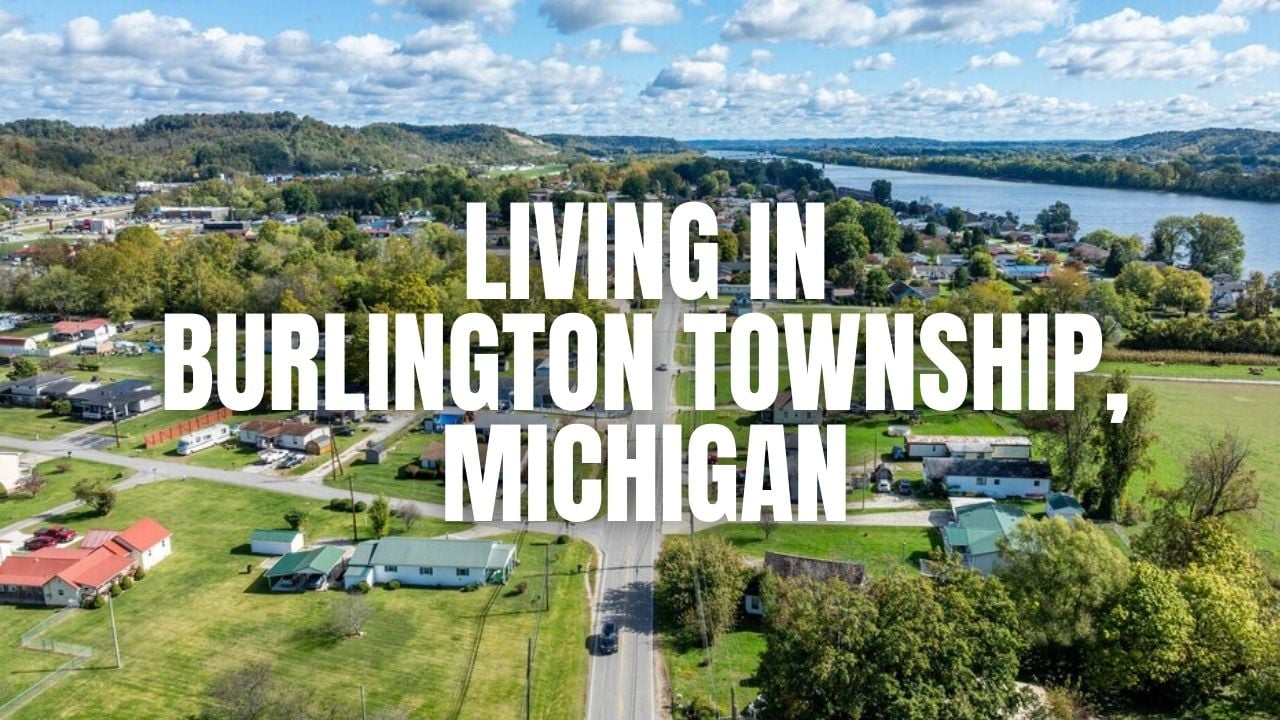
If you're looking for space, quiet surroundings, and a slower-paced lifestyle, Burlington Township, Michigan may already be on your radar.
Located in Lapeer County, Burlington Township offers a rural environment with low housing density and open land. Many people who consider moving here are drawn to larger lot sizes, fewer neighbors, and the ability to enjoy a quieter lifestyle compared to suburban or urban areas.
This guide provides a realistic look at what living in Burlington Township is actually like, including housing, cost of living, property taxes, schools, and everyday lifestyle considerations.
Cost of Living in Burlington Township, Michigan
Cost of living in Burlington Township is closely tied to housing and transportation patterns typical of rural communities.
According to the U.S. Census Bureau, rural townships in Lapeer County tend to have lower housing density and lower median housing costs compared to many suburban areas in Southeast Michigan.
BestPlaces.net reports that Lapeer County overall has a cost of living index below the national average, particularly when it comes to housing expenses.
Transportation costs can vary depending on commute distance. The Bureau of Labor Statistics notes that transportation expenses are a significant portion of household budgets in areas where driving is the primary transportation method.
Utilities generally align with statewide averages, though actual costs vary depending on home size, energy efficiency, and usage.
Real Estate & Housing Overview
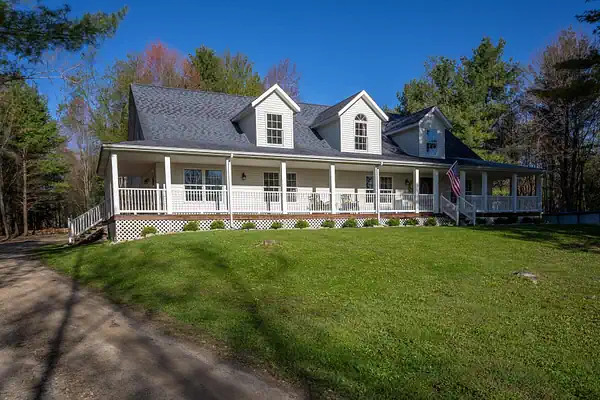
Housing in Burlington Township primarily consists of detached single-family homes.
Based on U.S. Census Bureau housing data:
Most homes are owner-occupied
Housing density is low compared to suburban communities
Many homes were built between the 1970s and early 2000s
Common housing types include:
Ranch-style homes
Farmhouses
Custom-built homes on acreage
Homes on multi-acre parcels
New construction is more limited compared to suburban growth areas, though new homes are built periodically on available land.
MLS listings typically show fewer total homes for sale at any given time compared to cities and suburbs, reflecting the township’s smaller population and rural character.



Is Burlington Township (Lapeer County), Michigan a Good …
Burlington Township, Michigan offers a rural lifestyle…
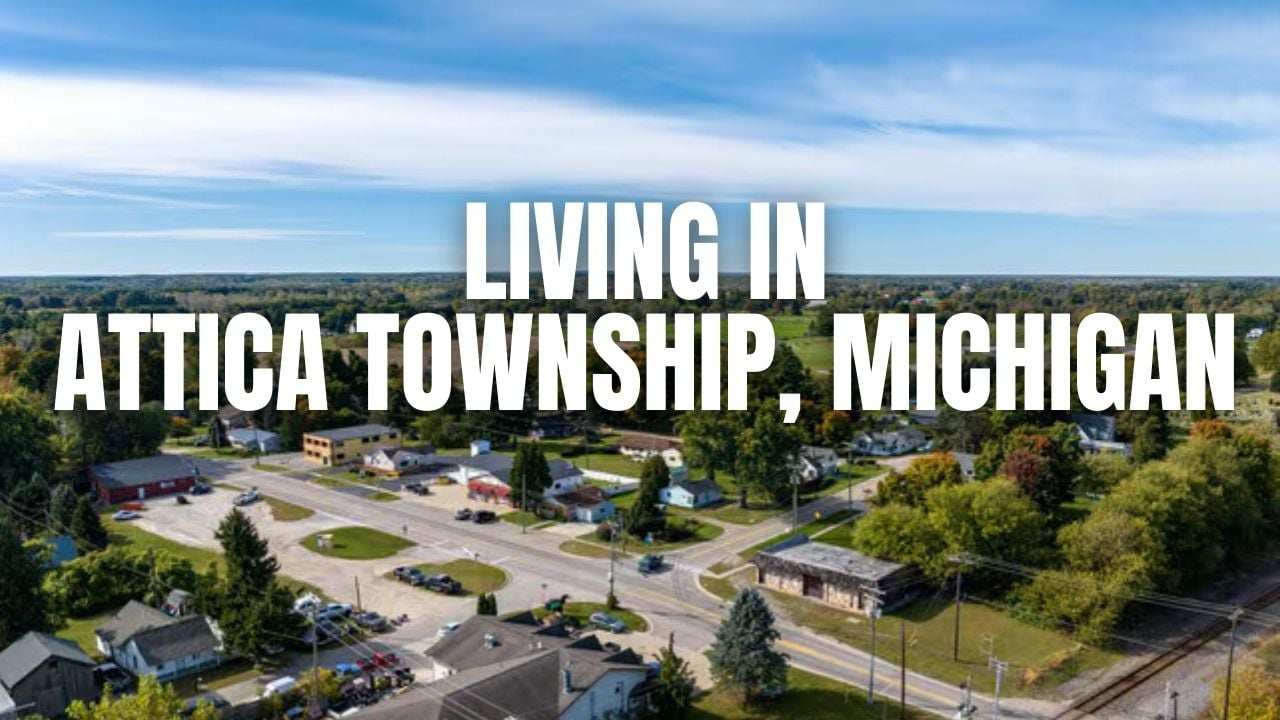
Moving to Attica Township, Michigan? What to Know …
Attica Township, Michigan offers rural surroundings, larger…
Living in Arcadia Township (Lapeer County), Michigan: Pros, …
Arcadia Township, Michigan offers rural living with…