
Introduction
If your idea of a good place to live includes more space, less traffic, and easy access to lakes and nature, LaGrange Township, Michigan might be on your radar.
Located in Cass County in Southwest Michigan, this township offers a rural setting with scattered residential areas, farmland, and nearby lakes. Many people consider living here for the quieter pace and access to outdoor recreation.
At the same time, it’s important to understand what daily life actually looks like — including housing, commuting, cost of living, and available amenities — before making a move. Let’s break it all down.

Cost of Living in LaGrange Township, Michigan
Cost of living in LaGrange Township is generally lower than national averages, particularly when it comes to housing.
According to U.S. Census Bureau data, home values in rural Cass County areas tend to be more affordable compared to urban parts of Michigan. Niche.com also indicates that housing costs in Cass County are below the national average.
BestPlaces.net reports that overall cost of living in similar rural Michigan areas tends to fall below the U.S. average, especially in housing and transportation categories.
Utilities and transportation costs are typically aligned with Midwest averages, based on Bureau of Labor Statistics regional data.
However, transportation expenses may vary depending on commute distance, as most residents rely on personal vehicles.
Real Estate & Housing Overview
Housing in LaGrange Township is primarily rural and spread out.
According to U.S. Census Bureau housing data:
Many homes were built between the 1950s and early 2000s
Owner-occupied properties make up the majority of housing
Larger lot sizes are common, often including acreage
You’ll typically find:
Single-family homes on large parcels
Farmhouses and country-style properties
Lake-adjacent homes near inland lakes
New construction is limited and tends to be custom-built rather than large subdivision developments.
Local MLS data shows that housing availability can vary significantly depending on season and inventory, which is common in rural markets.
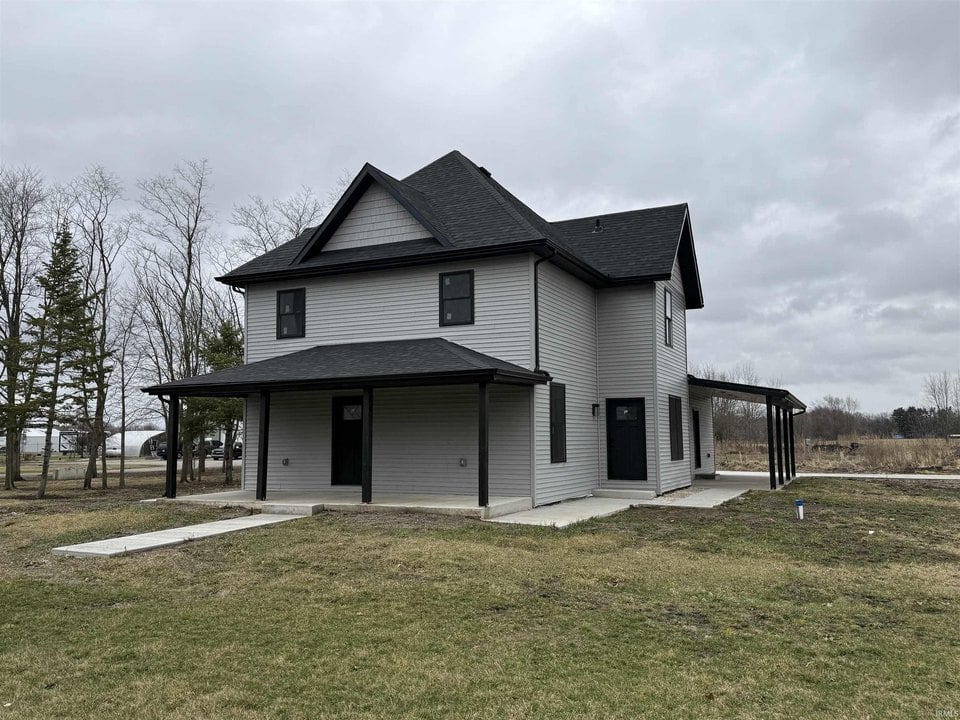



The Truth About Marcellus Township, Michigan: Neighborhoods, Prices, …
Marcellus Township, Michigan offers a rural Southwest…
Before You Move to Milton Township (Cass County), …
Milton Township, Michigan is a quiet, rural…
Is LaGrange Township, Michigan a Good Place to …
Considering a move to LaGrange Township, Michigan?…