
Introduction
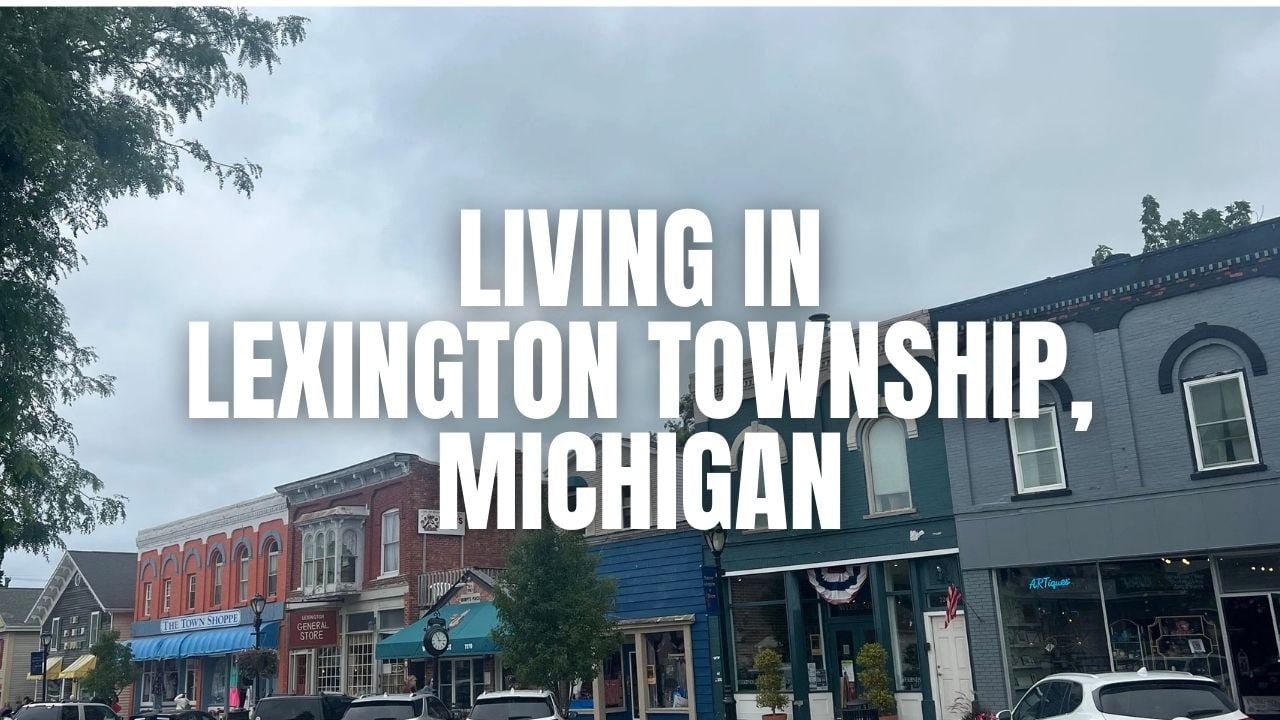
If you’ve ever driven up Michigan’s eastern shoreline and thought, “I could live here,” Lexington Township might be the kind of place you had in mind.
Located in Sanilac County along Lake Huron, Lexington Township offers waterfront views, open rural land, and a slower pace compared to larger Southeast Michigan communities. Some people are drawn to the lake access. Others appreciate the quieter setting with seasonal tourism energy in the summer months.
But is Lexington Township, Michigan actually a good place to live long term? Let’s break it down — honestly and clearly — so you can decide if it fits your goals.
Cost of Living in Lexington Township, Michigan
Lexington Township’s cost of living is influenced largely by housing type — especially whether a property is inland or along Lake Huron.
According to U.S. Census Bureau data, median home values in Lexington Township are generally below Michigan’s statewide median, though waterfront properties can exceed local averages.
BestPlaces.net reports that Sanilac County’s overall cost of living index is below the national average. Utilities and transportation costs in this region align with broader Midwest averages, according to the Bureau of Labor Statistics.
Niche.com indicates that housing affordability is one of the stronger factors in many smaller Michigan townships, though inventory may be limited compared to suburban markets.
Seasonal properties and vacation homes can also affect pricing patterns.
Real Estate & Housing Overview
Housing in Lexington Township ranges from lakefront cottages to rural homes on multi-acre parcels.
Based on U.S. Census Bureau housing data:
A significant portion of homes were built between the 1940s and 1980s
Seasonal and recreational properties make up part of the housing mix
Owner-occupied homes represent the majority of year-round residences
Common property types include:
Lakefront homes along Lake Huron
Small cottages and bungalows
Ranch-style homes on larger lots
Manufactured homes in select areas
New construction exists but is limited compared to high-growth suburban counties. According to regional MLS data, the market tends to be steady and influenced by seasonal demand.
Waterfront inventory is naturally limited due to geography.




Moving to Portage, Michigan? What to Know About …
Thinking about moving to Portage, Michigan? This…
Living in Parchment, Michigan: Pros, Cons, Cost of …
Thinking about living in Parchment, Michigan? This…

Thinking About Kalamazoo, Michigan? A practical guide
Thinking about moving to Kalamazoo, Michigan? This…