
Introduction
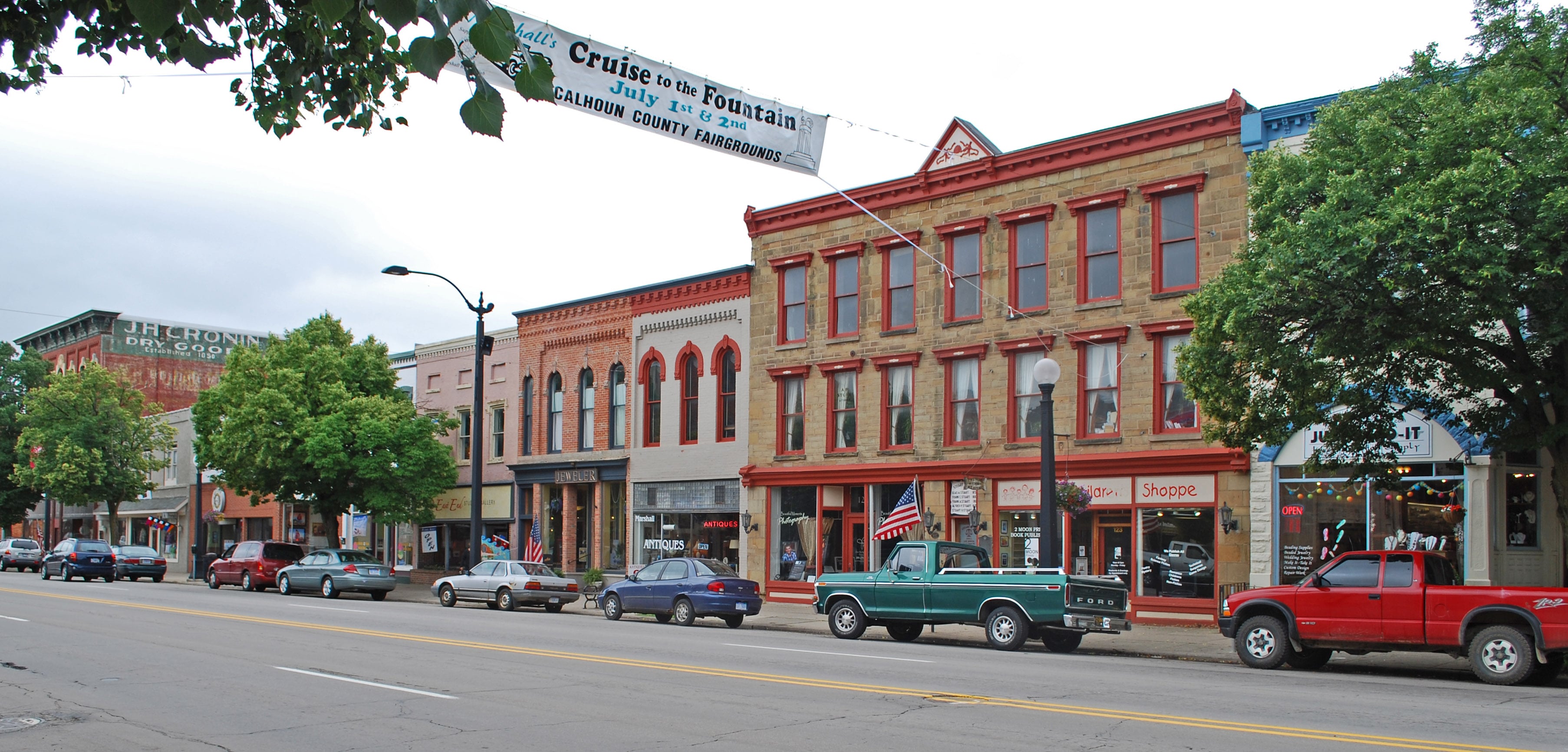
Marshall, Michigan is one of those towns that often surprises people the first time they visit. With its preserved historic architecture, walkable downtown, and a strong sense of place, it stands out among small cities in southern Michigan.
Located in Calhoun County, Marshall has built a reputation as a historic destination thanks to its large collection of 19th-century homes and buildings. Some people consider moving here for the historic charm. Others appreciate the manageable size of the community combined with convenient highway access.
If you're researching whether Marshall could be the right place to live, this guide breaks down the realities — from housing and property taxes to schools, parks, and everyday lifestyle.

Cost of Living in Marshall, Michigan
Marshall’s cost of living is generally consistent with or slightly below Michigan averages.
According to U.S. Census Bureau housing data, median home values in Marshall are lower than many major metro areas in the state. Niche.com also notes that housing affordability is one of the community’s more attractive features.
BestPlaces.net reports that Marshall’s overall cost of living index sits below the national average.
Utilities, groceries, and transportation costs generally align with Midwest regional averages based on data from the Bureau of Labor Statistics.
Like most communities, the biggest factor affecting living costs tends to be housing choices and commuting patterns.
Real Estate & Housing Overview
Marshall’s housing market is particularly known for its historic homes.
According to the U.S. Census Bureau, a significant portion of Marshall’s housing stock was built before 1940. Many of these homes are located within the Marshall Historic District, which is one of the largest National Historic Landmark districts in the United States, according to the National Park Service.
Common housing styles include:
Victorian homes
Italianate architecture
Traditional two-story historic homes
Mid-century ranch homes outside the historic core
Lot sizes vary depending on the neighborhood. Historic homes near downtown often sit on mature tree-lined streets, while newer developments may feature more suburban-style layouts.
New construction does exist but is relatively limited compared to larger suburban growth areas.
Local MLS data shows steady real estate activity, with historic homes often attracting buyers interested in architectural character.




The Truth About Springfield, Michigan: Neighborhoods, Prices, Taxes …
Considering a move to Springfield, Michigan in…
Is Marshall, Michigan a Good Place to Live? …
Considering a move to Marshall, Michigan? Located…
Moving to Battle Creek, Michigan? What to Know …
Thinking about moving to Battle Creek, Michigan?…