
2 or so years ago I made a video about why you should consider retiring in Michigan, and today, my thoughts have changed a little bit, stick around to find out why…
Michigan Ranked the 2nd Best State to Retire — Here’s Why It Actually Makes Sense
A few months ago, headlines started circulating that Michigan was ranked the 2nd best state in the nation to retire. The ranking came from Bank locations, which analyzed data from the U.S. Census Bureau, the Centers for Disease Control and Prevention (CDC), and the Council for Community and Economic Research. States were evaluated using nearly 20 metrics that rolled up into three major categories:
• Cost of retirement living
• Quality of life
• Access to healthcare
Michigan scored especially high due to strong healthcare access and an overall affordable lifestyle, even when compared to traditionally popular retirement states.
Now, I already know what you might be thinking:
“It’s cold.”
“The roads are rough.”
“There aren’t enough airports.”
And yet — even with all of that factored in — Michigan still landed at #2 nationwide.
That ranking didn’t surprise me nearly as much as it surprised other people.

A Personal Perspective on Retirement in Michigan
Before real estate, before YouTube, before Living in Michigan — I worked in senior living.
I started as a server at a retirement community when I was 14 years old, worked my way into management, and eventually into a corporate role overseeing multiple locations across Southeast Michigan. During that time, I spent years talking with residents — listening to their stories, their careers, their families, and why they chose to spend their later years right here in Michigan.
A lot of people mentioned being close to family.
But just as many told me something unexpected:
“There’s nowhere else we’d want to live.”
At the time, I’ll be honest — I didn’t fully get it. I thought, Why not go somewhere warm?
But the more conversations I had, the clearer it became: Michigan checks more retirement boxes than people realize.
Tax Considerations for Retirees in Michigan
Michigan is often described as moderately tax-friendly for retirees, especially compared to many coastal states.
• Social Security benefits are not taxed by the state
• Certain retirement income, including pensions and retirement accounts, may be partially exempt, depending on age and year of birth
• Michigan has a flat state income tax rate, which creates predictability for long-term planning
One important nuance many people miss: retirement taxation in Michigan varies by birth year. Those born before 1946 often qualify for more favorable treatment than those born later. This is why speaking with a qualified tax or retirement professional is critical — assumptions here can be costly.
Important disclaimer: I am not a tax advisor or financial planner. Always consult licensed professionals for personalized guidance.
Healthcare Access: One of Michigan’s Strongest Advantages
Healthcare access was one of the biggest reasons Michigan ranked so highly.
Metro Detroit and many surrounding regions are served by large, well-established healthcare systems, including Corewell Health, Henry Ford Health, Trinity Health, Ascension, McLaren, and others. Emergency response times, hospital density, and specialist availability all compare favorably on a national level.
Michigan also expanded Medicaid access under the Affordable Care Act, increasing insurance availability across age groups — an important factor in statewide healthcare rankings.
From firsthand experience, I can tell you: access and response time matter, especially later in life.

Housing Reality for Retirees in Michigan
Michigan still offers relative housing affordability — but it’s important to be realistic.
Articles quoting average home prices of $100,000–$150,000 are typically outdated or skewed toward the most rural areas of the state. Like everywhere else, prices have risen since the pandemic.
That said, Michigan offers something many states don’t:
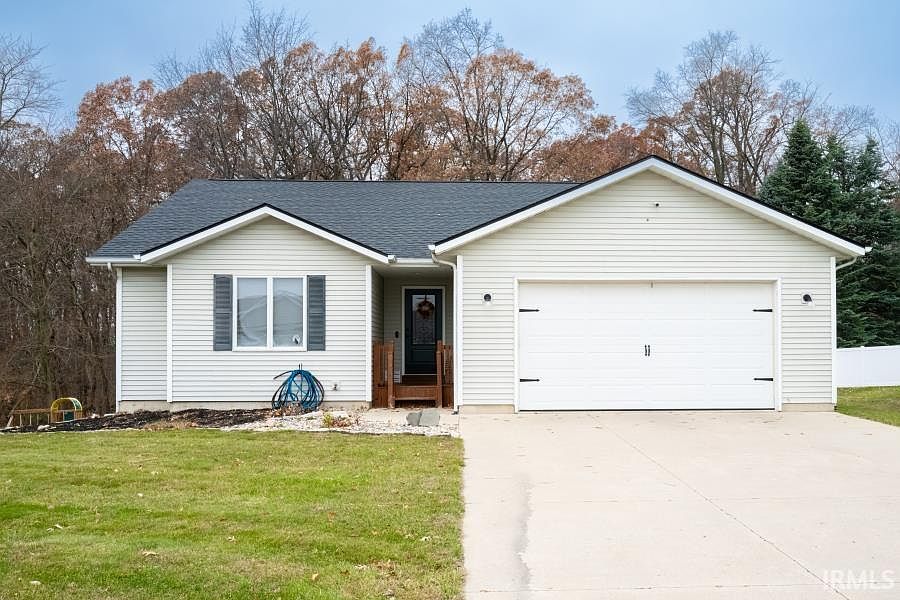
• A wide supply of single-level homes and ranch layouts
• Condos and townhomes with low-maintenance lifestyles
• Waterfront homes that historically hold value well over time
The average home age in Michigan is close to 50 years, but many homeowners invest heavily in renovations — blending modern comfort with long-standing charm.
For retirees interested in lakes, trails, or scenic views, Michigan offers exceptional value relative to other waterfront states.
Cost of Living: Where Michigan Still Shines
Cost of living remains a major reason retirees stay in Michigan.
On average, Michigan’s overall cost of living trends below the national average, with housing costs notably lower. Utilities tend to run slightly below national norms, while groceries and everyday goods are generally close to average.
This affordability supports a more active retirement lifestyle — whether that’s day trips, local events, dining out, or simply staying engaged beyond the home.
The Michigan Lifestyle Factor
One thing retirees consistently told me they valued most: experiences.
Michigan offers an unusual mix of:
• Lakes and waterfront towns
• Cultural events and professional sports
• Small towns with character
• Access to urban amenities without urban congestion
Whether it’s Traverse City, Mackinac Island, the Upper Peninsula, or simply an afternoon at a local farmers market, Michigan provides variety without requiring constant long-distance travel.
You can live quietly — or stay socially active — and often do both within the same region.

Economic Stability and Long-Term Outlook
Michigan’s economy has changed dramatically over the last two decades.
Once heavily dependent on a single industry, the state has diversified into healthcare, technology, logistics, engineering, education, and advanced manufacturing. This diversification contributes to long-term housing stability and resale confidence — something many retirees still care about for family planning and legacy reasons.
The post-recession recovery has reshaped Michigan into a more balanced, resilient state.

Notable Places Often Mentioned for Retirement in Michigan
Across the state, several communities frequently appear in retirement rankings and discussions, including:
Charlevoix Township
Ford River Township
Pleasant Ridge
Bingham Township
Frankenmuth
Bingham Farms
Grosse Pointe Farms
Bridgman
Greilickville
Stevensville
Each offers a different balance of affordability, amenities, healthcare access, and lifestyle.
Michigan Government Resources for Retirees (Official & Credible)
Below are real Michigan government resources worth reviewing if you’re planning retirement in the state:
Michigan Department of Treasury – Retirement & Pension Tax Information
https://www.michigan.gov/taxes/individual-income-tax/retirement-and-pension-benefits
Michigan Social Security & Retirement Tax Overview
https://www.michigan.gov/taxes/retirement
Michigan Office of Services to the Aging
https://www.michigan.gov/osa
Area Agencies on Aging (Local Senior Services)
https://www.michigan.gov/osa/area-agencies-on-aging
Michigan Department of Health & Human Services – Aging Services
https://www.michigan.gov/mdhhs/assistance-programs/aging-services
Michigan Medicare / Medicaid Assistance Program (MMAP)
https://mmapinc.org
MI Choice Waiver Program (Long-Term Care Alternatives)
https://www.michigan.gov/mdhhs/assistance-programs/medicaid/mi-choice
Michigan Homestead Property Tax Credit (Seniors)
https://www.michigan.gov/taxes/property/homestead-property-tax-credit
Michigan Long-Term Care Ombudsman Program
https://www.michigan.gov/osa/long-term-care-ombudsman
Michigan Legal Help – Estate Planning & Senior Legal Topics
https://michiganlegalhelp.org
Final Thoughts
Michigan isn’t for everyone — but for the right retiree, it offers something increasingly rare: value, access, and authenticity.
So I’ll ask you:
Would you retire in Michigan? Why or why not?
And if you’re planning to retire to, from, or within Michigan, I’m always happy to be a resource. You can also subscribe to the Living in Michigan newsletter for ongoing insights into housing, lifestyle, and relocation across the state.



Is Volinia Township, Michigan a Good Place to …
Volinia Township, Michigan is one of Cass…
Moving to Silver Creek Township, Michigan? What to …
Silver Creek Township, Michigan is where Cass…
Living in Porter Township (Cass County), Michigan: Pros, …
Porter Township, Michigan is a lake-studded rural…