Introduction
If you’re exploring smaller communities in Michigan where life moves at a slower pace, Kingston, Michigan might be on your radar.
Located in Tuscola County, Kingston is a small village surrounded by agricultural land and open space. Some people consider living here because of the quieter environment, simpler pace of life, and proximity to nearby regional towns.
Kingston is not a large city with endless amenities — and that’s part of its appeal. In this guide, we’ll break down what to expect if you’re considering a move here, including housing, schools, cost of living, property taxes, and everyday lifestyle.
Cost of Living in Kingston, Michigan
Cost of living in Kingston is generally lower than many parts of Michigan, particularly compared to larger metro areas.
According to U.S. Census Bureau housing data, median home values in Kingston are significantly below statewide averages. Niche.com also notes that housing affordability is one of the primary characteristics of smaller villages like Kingston.
BestPlaces.net reports that many rural communities in Michigan’s Thumb region have a cost-of-living index below the national average.
Utilities and transportation costs vary depending on home size, heating systems, and commuting distances. Regional consumer expenditure data from the Bureau of Labor Statistics shows typical household spending patterns for the Midwest.
Overall, housing affordability tends to be the most significant factor influencing cost of living in Kingston.
Real Estate & Housing Overview
Kingston’s housing market is relatively small compared to larger Michigan municipalities.
According to U.S. Census Bureau housing data:
Many homes were built between the 1940s and 1980s
Owner-occupied housing makes up the majority of properties
Some properties include larger lots or rural acreage
Typical housing styles include:
Ranch homes
Traditional two-story homes
Farmhouses on surrounding rural properties
New construction is limited within the village itself. Most development in the area consists of existing homes or rural properties rather than large subdivision projects.
Because the housing supply is smaller, local MLS listings can fluctuate depending on how many homes are available at a given time.



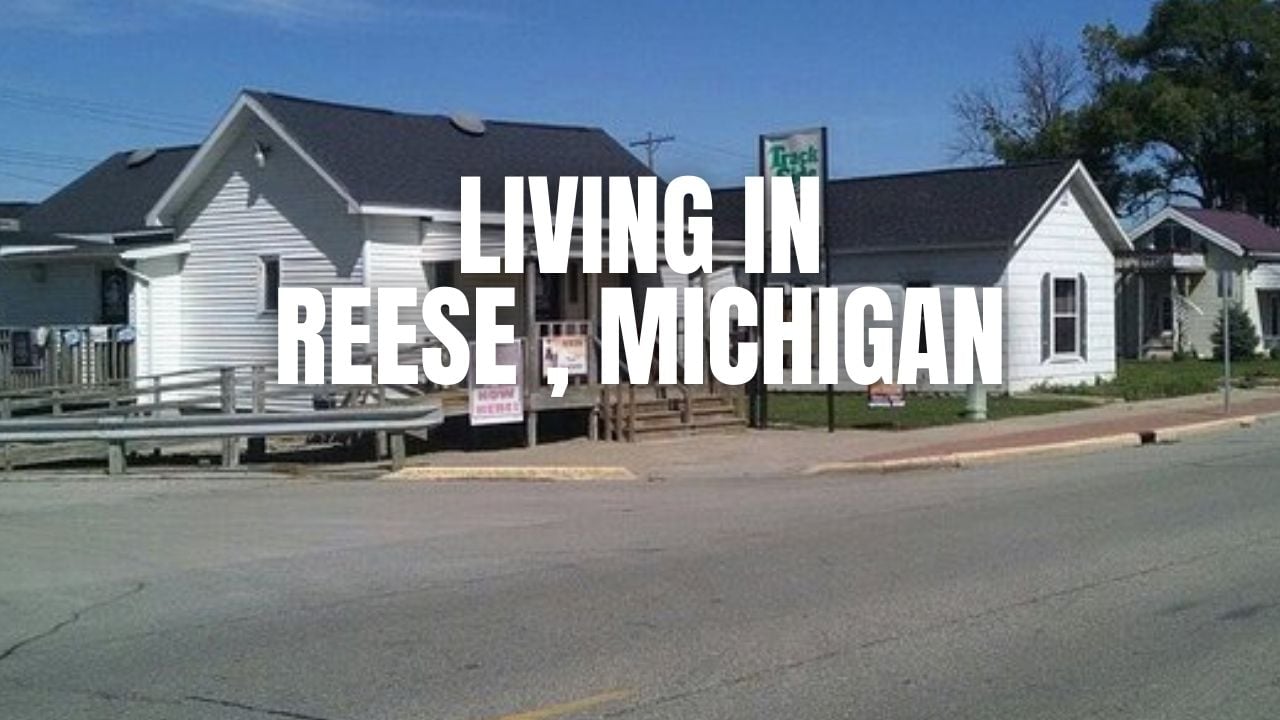
Living in Reese, Michigan: Pros, Cons, Cost of …
Considering a move to Reese, Michigan? Located…
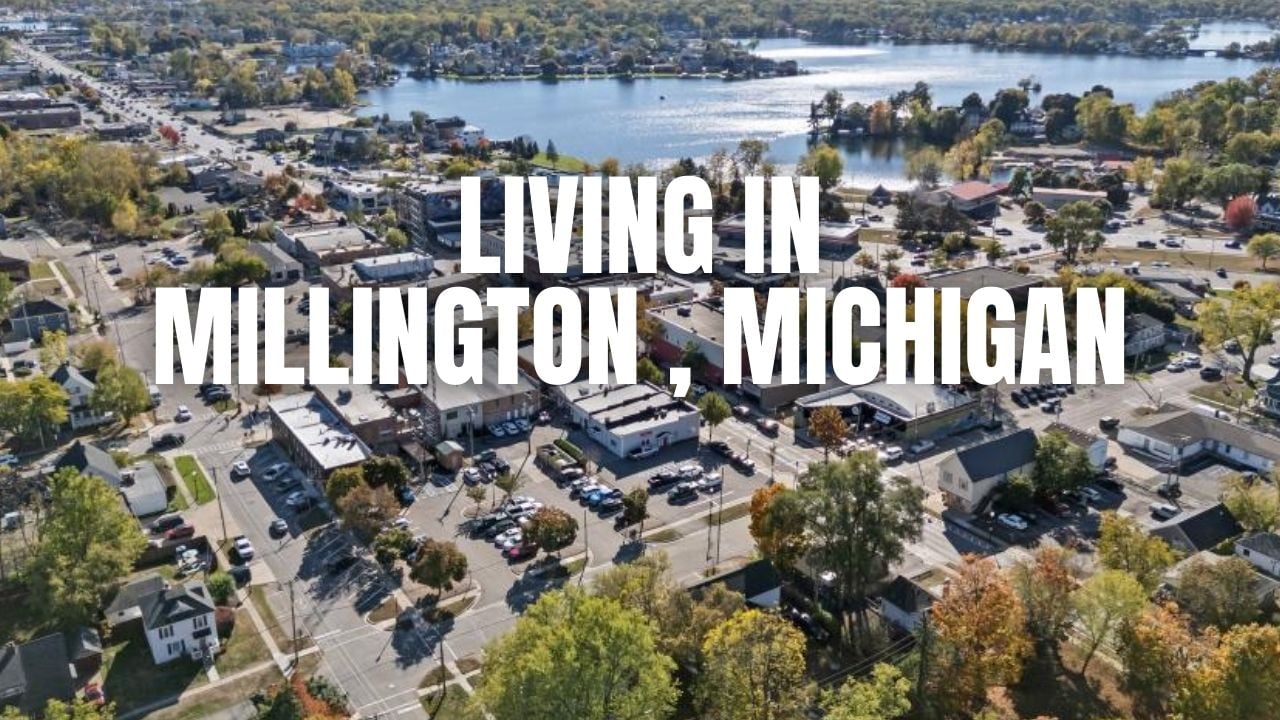
Thinking About Millington, Michigan? A practical guide
Thinking about relocating to Millington, Michigan? Located…
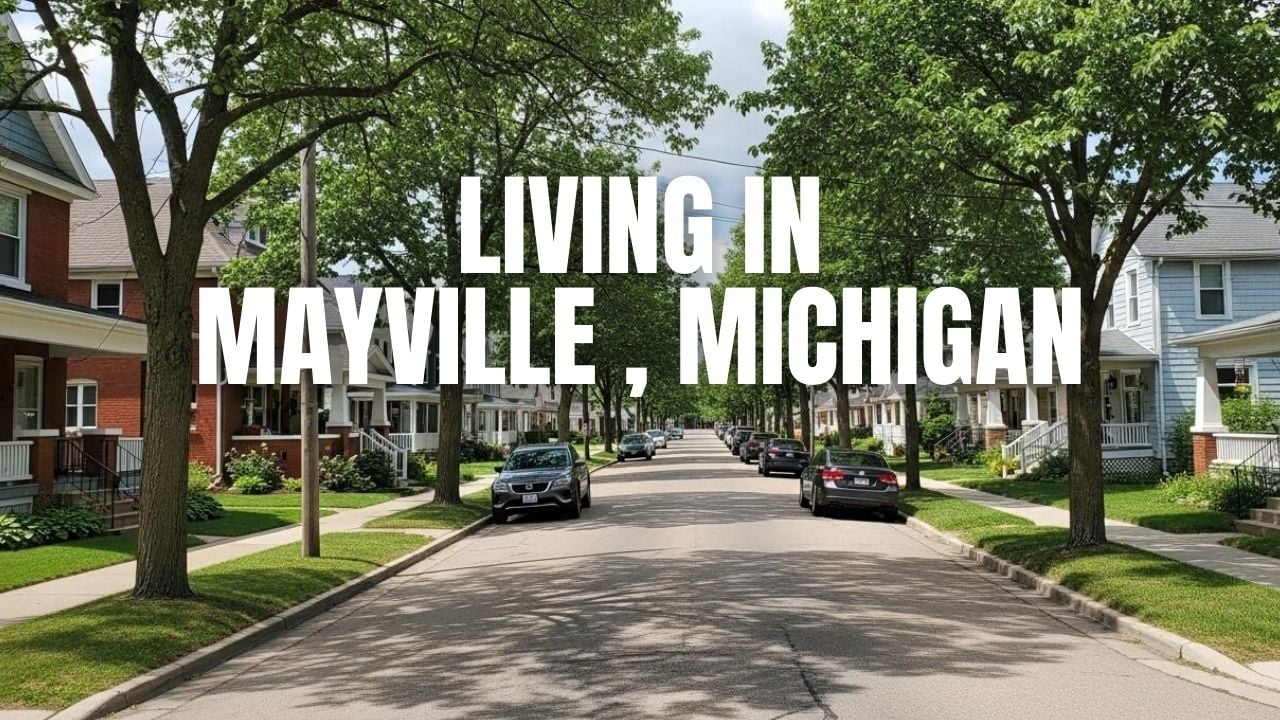
Mayville, Michigan Living Guide: The Ultimate living guide
Thinking about living in Mayville, Michigan? Located…