
Introduction
If you’re looking for space, quieter surroundings, and a more rural lifestyle, Lee Township, Michigan in Calhoun County is one of those places that tends to come up during the search.
This isn’t a dense suburb or a walkable downtown environment — it’s a township defined by open land, agricultural areas, and lower population density. People often consider living here for the privacy, larger lot sizes, and proximity to nearby cities like Battle Creek and Marshall.
In this guide, we’ll walk through what it’s actually like to live in Lee Township, including cost of living, housing, property taxes, commute options, and lifestyle so you can decide if it aligns with what you’re looking for.
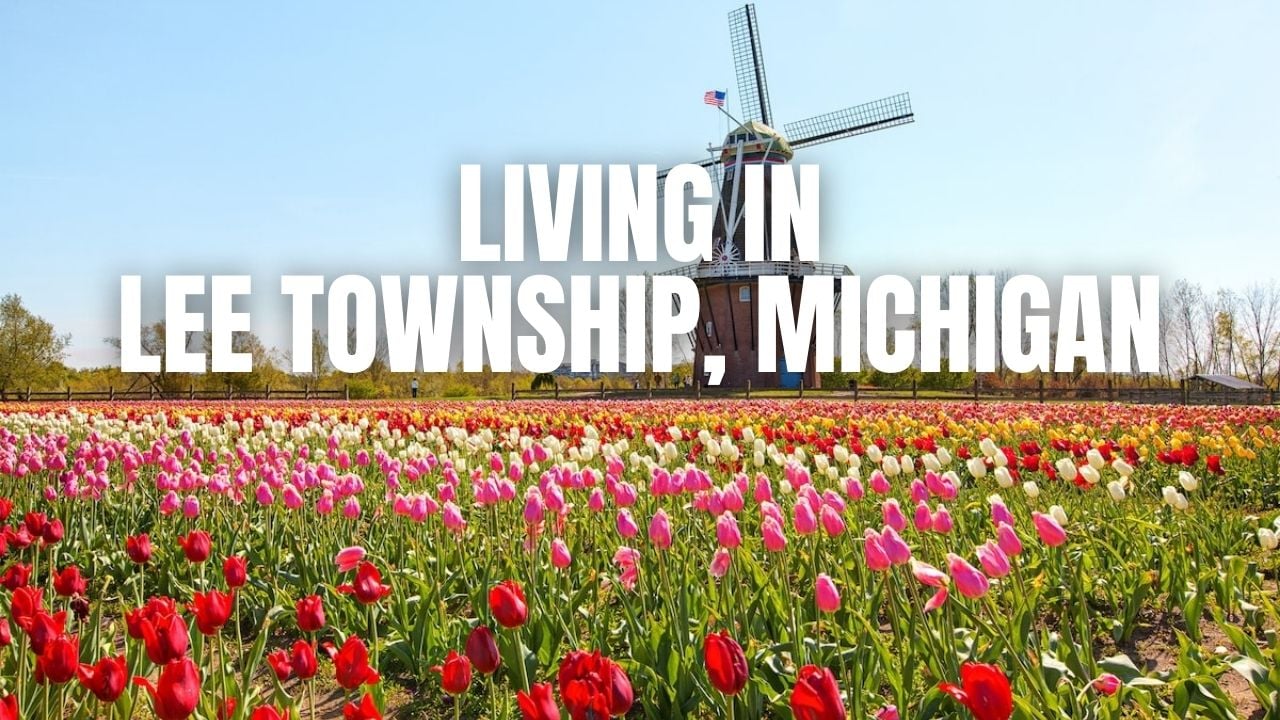
Cost of Living in Lee Township, Michigan
Cost of living in Lee Township is generally lower than more urban parts of Michigan, particularly when it comes to housing.
According to U.S. Census Bureau data for Calhoun County, median home values and rent levels tend to be below statewide averages. Niche.com also indicates that housing affordability is one of the more accessible aspects of living in this region.
BestPlaces.net reports that overall cost of living in Calhoun County is below the national average.
Utilities and transportation costs are generally in line with broader Midwest averages, based on data from the Bureau of Labor Statistics.
Because this is a rural area, transportation costs can vary depending on commute distance and vehicle usage.
Real Estate & Housing Overview
Housing in Lee Township is largely characterized by rural and semi-rural properties.
Based on U.S. Census Bureau housing data for the area:
Many homes were built between the 1950s and 1990s
Owner-occupied properties make up a significant portion of housing
Larger lot sizes are common compared to suburban developments
You’ll typically find:
Ranch-style homes
Farmhouses and older rural properties
Custom-built homes on acreage
Manufactured homes in some areas
New construction does occur but is generally limited and often consists of individual builds rather than large subdivisions.
Local MLS trends show steady demand for properties with land, especially for buyers prioritizing space and privacy.



Moving to Portage, Michigan? What to Know About …
Thinking about moving to Portage, Michigan? This…
Living in Parchment, Michigan: Pros, Cons, Cost of …
Thinking about living in Parchment, Michigan? This…
Thinking About Kalamazoo, Michigan? A practical guide
Thinking about moving to Kalamazoo, Michigan? This…